 LinkedIn
 Facebook
 X.com
X.com
 WeChat
 Email
Email
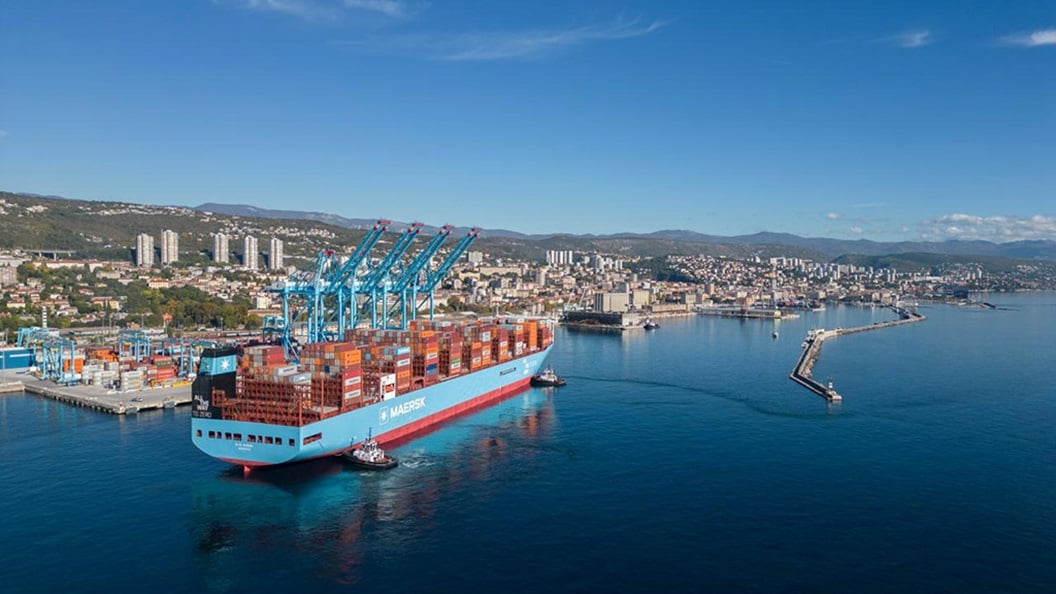
To receive the Maersk Europe Market Update in your inbox, sign up for our logistics newsletter here and update your preferences when prompted via email.
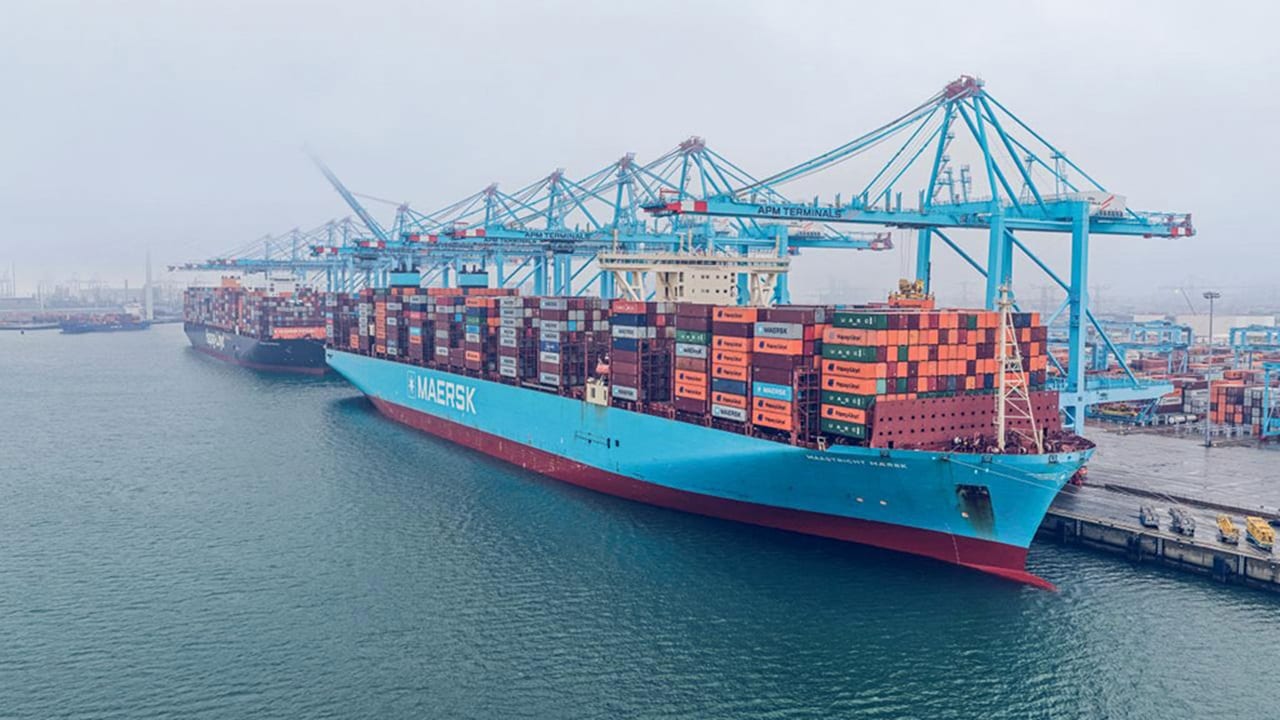
Ocean and Key Ports Update
The situation in the Middle East continues to evolve rapidly, with geopolitical tensions and risks remaining high and visibility remaining low. As a result of the ongoing conflict, we are continuing to see disruption to our logistics operations, and our teams are working hard to minimise the impact on customers. We will keep customers informed of the latest developments via our dedicated Middle East Situation page.
On European shores, in Rotterdam, vessel delays and weather conditions including storms and strong winds, have impacted vessel arrivals, and yard operations. Together, these have impacted yard density, which is now reaching very high levels and customers are kindly asked to pick up their import units as soon as possible after discharge. Prompt pickup will help safeguard terminal operations and prevent yard congestion.
Upcoming Easter holidays at the beginning of April are expected to result in limited labour availability across the terminals, particularly in Germany. Our teams remain in close contact with terminal authorities on planning during the holidays and ensuring our customers’ cargo continues to move with ease.
In the Western Mediterranean, terminals have been experiencing severe winter weather and related terminal closures since mid-January. This has, in turn, caused port congestions and rapidly increasing yard density. To restore schedule reliability, a contingency package with targeted port omissions is being implemented to allow the SAMBA service to absorb delays and recover its schedule. Please click here for details on affected sailings.
You can receive ETA notifications for your cargo by signing up here.
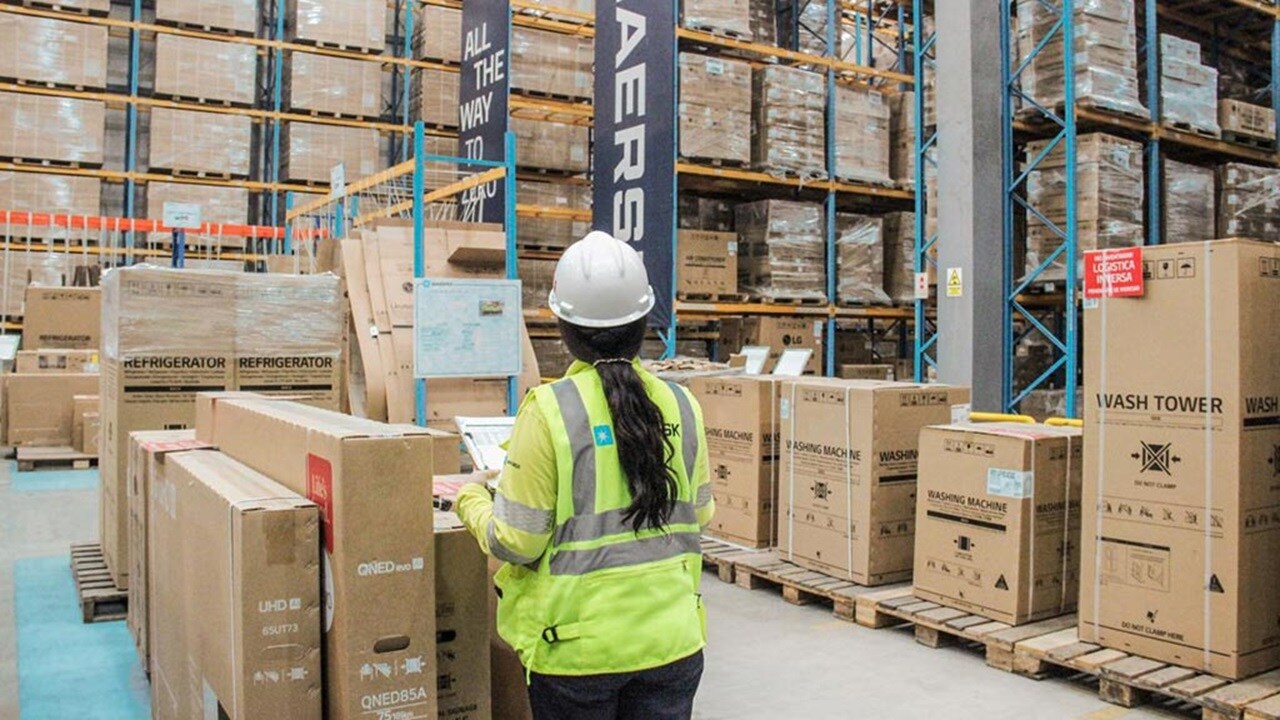
Logistics and Services Update
The recent surge in global energy prices - amplified by the evolving security situation in the Middle East and its impact on worldwide fuel availability - continues to place significant pressure on logistics and intermodal transportation markets. With approximately 20% of global fuel passing through the Strait of Hormuz, current developments have created an unprecedented cost environment affecting Landside and Intermodal operations.
To ensure service continuity, safeguard cargo integrity, and secure sufficient vendor capacity across our network, A. P. Moller – Maersk will implement temporary, cost reflective energy/fuel price adjustments on Landside Transportation across several countries. For an overview of changes per country, please see our Rate Announcements.
Elsewhere, a major infrastructure disruption is affecting international rail services in the Barcelona region. Spanish rail infrastructure manager ADIF has announced the complete closure of the Rubí tunnel, located between Castellbisbal and Rubí, starting 14 March 2026 at 00:00 for urgent structural repairs. The expected duration of the closure is 5 to 7 weeks. Due to this, Maersk must temporarily suspend the following services in both directions Barcelona - Toulouse (Fenouillet) and Barcelona - Lyon (Loire-sur-Rhône). Our teams are actively working with partners to identify alternative routings. For more information, please visit our advisory page.
Our teams in Rijeka, Croatia, have observed a growing number of containers discharged in Rijeka bound for Serbia where mandatory documentation was submitted late, incomplete or incorrect. These inaccuracies create delays at borders, hinder planning of Carrier Haulage and train delivery flows, increase coordination requirements with authorities, and generate unplanned operational costs. This affects not only individual shipments but also the consistency of our inland network. As such, we will be introducing new Destination Coordination Fee of EUR 65 per container as of 16 April, for containers where the required documentation is not provided correctly and within the defined timeline. For more information, click here.
For more information on ways to connect seamlessly with our rail, road, and barge solutions across Europe, please visit our Inland transportation services in Europe.
Within air freight, Asia-Europe markets remain under sustained pressure as the Middle East situation continues to restrict key transit corridors. With roughly one-third of Asia-Europe air capacity normally routed through the Middle East, the ongoing disruption in the region has significantly reduced available uplift and created wider operational unpredictability across the air freight market.
To support customers through these disruptions, Maersk has assembled a suite of alternative air and multimodal solutions, including secured lift via non‑Gulf gateways, controlled airfreight options through Muscat and Salalah, Sea-Air combinations via Colombo and Oman, and expanded landbridge connections across Saudi Arabia, the UAE, and the wider Gulf region. These measures are designed to provide additional routing flexibility while regional conditions remain fluid. Please get in touch with your Maersk Customer Experience agent to discuss options. Please click here to find helpful information about Maersk Air Cargo and our services to and from Europe.
Similarly, the situation in the Middle East is affecting global ecommerce too, with longer transit times, route diversions, and rising surcharges placing pressure on air and sea cargo networks. For retailers and marketplaces, this is exposing the risks of relying too heavily on traditional trade routes and creating new fulfilment challenges across both B2B and B2C operations.
In Europe, the impact is being felt most clearly in customer expectations. Delivery speed, reliability, tracking, returns and proactive service are now central to the buying decision, meaning commerce and customer service can no longer operate in isolation. Customer experience roles are moving from reactive to predictive, as a social advocates continue to gain momentum. As AI-powered predictive service raises the bar further, brands are being pushed to deliver more seamless experiences despite growing cross-border complexity.
At the same time, Chinese ecommerce platforms are changing the landscape through forward-deployed inventory and more localised operations. By positioning stock closer to end consumers, they are lowering logistics costs, reducing customs friction, and enabling faster, lower-cost delivery at scale. That shift is not only transforming delivery expectations, but also intensifying competitive pressure on local retailers, marketplaces, and supply chain infrastructure worldwide.
Find out more about our Ecommerce delivery solutions for your business by visiting our E-Delivery page.

Customs Update
Across wider supply chains, geopolitical developments – particularly in the Middle East – continue to reshape how European companies manage sourcing and routing. We’re seeing instability in key corridors prompting businesses to reconsider supplier concentration and assess exposure across long‑haul trade lanes. These dynamics often lead to greater variability in lead times, changes in transport costs and a stronger push toward diversified sourcing and nearshoring. Many companies are now mapping their most critical flows, exploring alternative routings and integrating geopolitical risk into strategic planning. Please contact your local Maersk representative to discuss supply chain adjustments and how your business can gain resilience in the months ahead.
Elsewhere, EU-Australia trade ties have entered a new phase with the introduction of a Security and Defence Partnership alongside a comprehensive Free Trade Agreement. For European businesses, this creates a more predictable environment in which tariff barriers fall away and access to Australia’s markets improves. The agreement removes nearly all tariffs, expands opportunities in services and procurement, and strengthens access to critical materials such as lithium and manganese. This offers practical advantages: lower import costs, faster time‑to‑market and additional scope for diversification in sectors such as automotive, chemicals, agri‑food, and technology. Companies may want to begin reviewing their Australia‑bound portfolios to identify tariff savings, assess rules‑of‑origin benefits beyond 2026, explore sourcing options for green‑technology inputs and prepare for the agreement’s sustainability, labour, and climate‑related requirements. For more information, click here.
EU customs authorities are also increasing scrutiny of small‑parcel and e‑commerce shipments ahead of the summer period, with checks this year intensified by preparations for the EU’s next wave of digitalisation reforms. Traders moving low‑value consignments may encounter more frequent document requests, tighter data verification and a higher likelihood of delays where product information is incomplete or inconsistent. E‑commerce brands and parcel‑driven shippers may find value in reviewing their product master data now, ensuring accurate classification and descriptions, and considering automated solutions to support duty, tax and data creation. Establishing internal compliance routines ahead of the seasonal volume increase can help reduce clearance issues as activity accelerates into Q2. Click here for further details.
Please don’t hesitate to reach out to our Global Trade and Customs Consultants if you require support with your customs operations.
Useful Links
To sign up for the Maersk Europe customer newsletter, click here and update your preferences when prompted via email.
Check Maersk market updates from across other regions by clicking here.


