
 LinkedIn
 Facebook
 X.com
X.com
 WeChat
 Email
Email
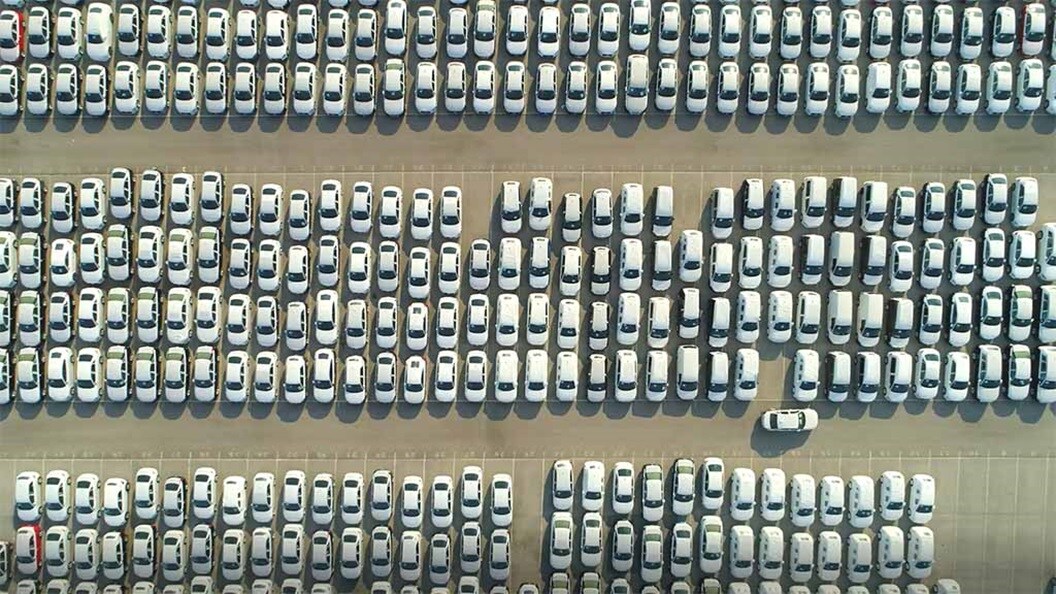
Electric vehicle (EV) sales are accelerating globally, marking a significant shift in the automotive industry. Globally, over 1-in-5 (22%) of new cars sold were electric in 2024. This share was 92% in Norway, and in China, it was almost 50%.
As automakers meet the surging demand, supply chains are being transformed. With no engine, transmission or exhaust systems to transport, the electric vehicle supply chain is about batteries, new trade routes and localised production.
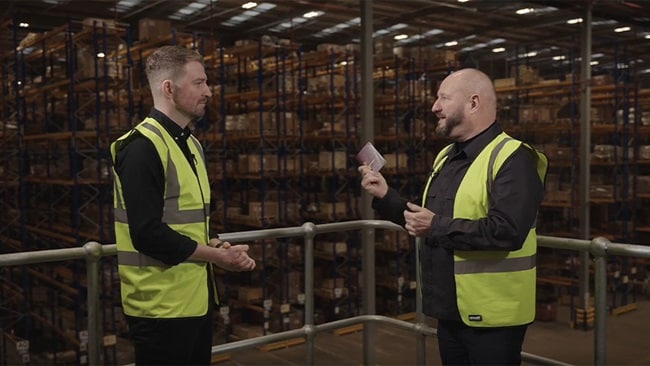
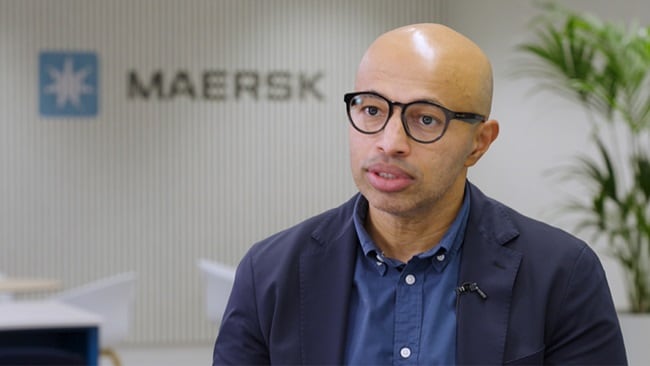
Watch Antonio Fondevilla, Global Vertical Head of Automotive at A.P Moller-Maersk discuss what this means for logistics in this video.
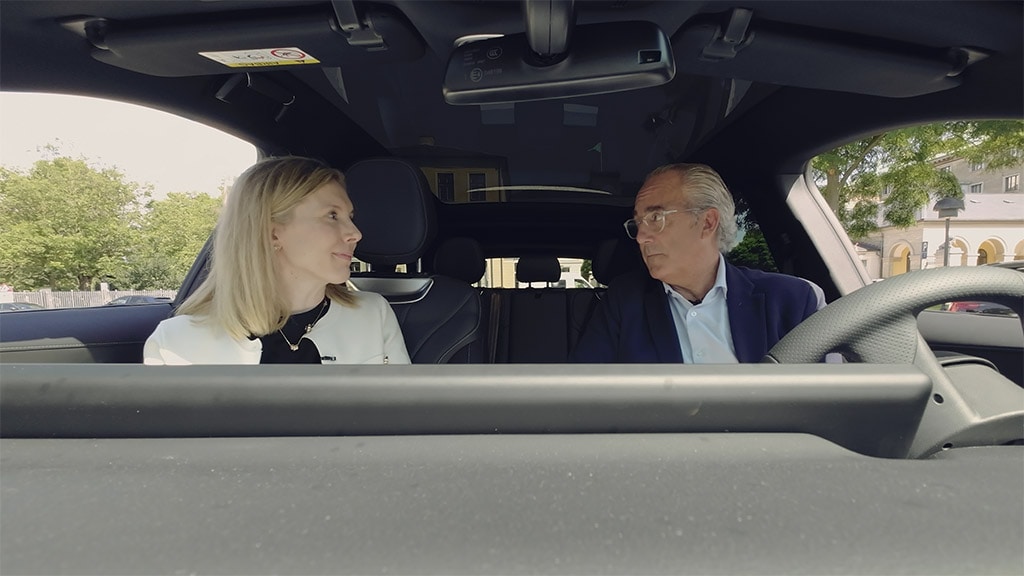
What does the rise in electric car sales mean for the logistics industry?
The rise of EVs is reshaping logistics in several key ways:
Battery logistics
- Batteries are the backbone of EVs and are classified as dangerous goods (DG 9).
- Transporting them requires special handling, packaging, and labelling, trained personnel, certified carriers and compliance with international regulations.
- EV batteries (cells, modules, packs) require critical minerals like lithium, cobalt, and nickel, often sourced from geopolitically sensitive regions.
- This has led to new trade routes and strategic partnerships (e.g., EU-Africa, US-Indonesia), as well as increased vertical integration by Original Equipment Manufacturers (OEMs) and Tier 1 suppliers (companies that supply parts, systems, or components directly to OEMs).
Supply chain transformation
- Battery Electric Vehicles (BEVs) have around 60-70% fewer moving parts than Internal Combustion Engine (ICE) vehicles, based on industry sources such as Alpha Motor, Metal Forming magazine and Automotive Fleet. This dramatic reduction in mechanical complexity is one of the key advantages of BEVs in terms of reliability, maintenance, and long-term cost of ownership.
- This simplifies assembly lines and reduces the number of Stock Keeping Units (SKUs). These are internal codes created by companies that help with inventory management, sales tracking, and reordering.
- Modular platforms like the “skateboard” chassis enable faster model development and shared components across brands.
Localised production
- OEMs are increasingly reshoring or nearshoring production to reduce risks and lead times.
- Gigafactories are emerging as logistics hubs, centralising battery production and vehicle assembly.
Reverse logistics and recycling
- There’s a growing need for battery take-back schemes and second-life applications.
- Logistics providers are building closed-loop systems for battery reuse and recycling.
What’s driving the surge in electric car sales?
- Government policies: Countries like the UK are phasing out petrol and diesel car sales from 2030, supported by zero-emission vehicle (ZEV) mandates and incentives. From 2035, all new cars and vans in the UK must be fully zero-emission. The European Union has also set a target to phase out the sale of new internal combustion engine (ICE) cars and vans by 2035. However there are currently reviews and discussions underway about this.
- Technological advancements: EVs now offer longer ranges and faster charging, making them more practical for everyday use.
- Consumer awareness: Environmental concerns are influencing buying decisions.
- Electric grid expansion: Infrastructure is growing to support increased EV adoption.
The future of electric car logistics
The forecasted global market share for BEVs and plug-in hybrid electric vehicles (PHEVs) combined in 2025 is around 25%, with China leading the way, followed by Europe and the U.S. For example, BloombergNEF (BNEF) projects that nearly 22 million BEVs and PHEVs will be sold globally in 2025, which would represent one in four new cars sold. The revenue in the electric vehicles market in 2025 is valued at US$784.2 billion worldwide.
As EV supply chains evolve, they create logistics challenges, from battery handling to local knowledge in new markets. Maersk’s people, solutions and network support a seamless battery logistics experience.
Be ready for vehicle electrification to go all the way! Discover more with Maersk Logistics Insights, and learn more about battery logistics. Or for more logistics trends and insights, read and download The Logistics Trend Map.

取得產業內部人士的見解
How can logistics help you decarbonise?
By connecting and simplifying global trade, supply chains can be optimised to modify their impact on individuals, communities, and the environment.
Learn more about how Maersk can help with decarbonisation within logistics.







您是否想隨時獲取未來產業趨勢的必修課?
您完成了,歡迎訂閱!
很抱歉,發送您的聯絡請求時發生問題。
請檢視表單欄位,並確保提供所有必要的正確資訊。若問題仍然存在,請聯絡我們的支援團隊尋求進一步協助。
您是否想隨時獲取未來產業趨勢的必修課?
透過在此表單註冊,您可直接在您的郵箱中接收我們的見解,踏入真正整合物流的世界。只要按幾下,您就可從我們為您量身訂製的文章中獲取靈感,並獲得相關業務見解。您可以隨時取消訂閱。
I agree to receive logistics related news and marketing updates by email, phone, messaging services (e.g. WhatsApp) and other digital platforms, including but not limited to social media (e.g., LinkedIn) from A. P. Moller-Maersk and its affiliated companies (see latest company overview). I understand that I can opt out of such Maersk communications at any time by clicking the unsubscribe link. To see how we use your personal data, please read our Privacy Notification.
By completing this form, you confirm that you agree to the use of your personal data by Maersk as described in our Privacy Notification.