 LinkedIn
 Facebook
 X.com
X.com
 WeChat
 Email
Email
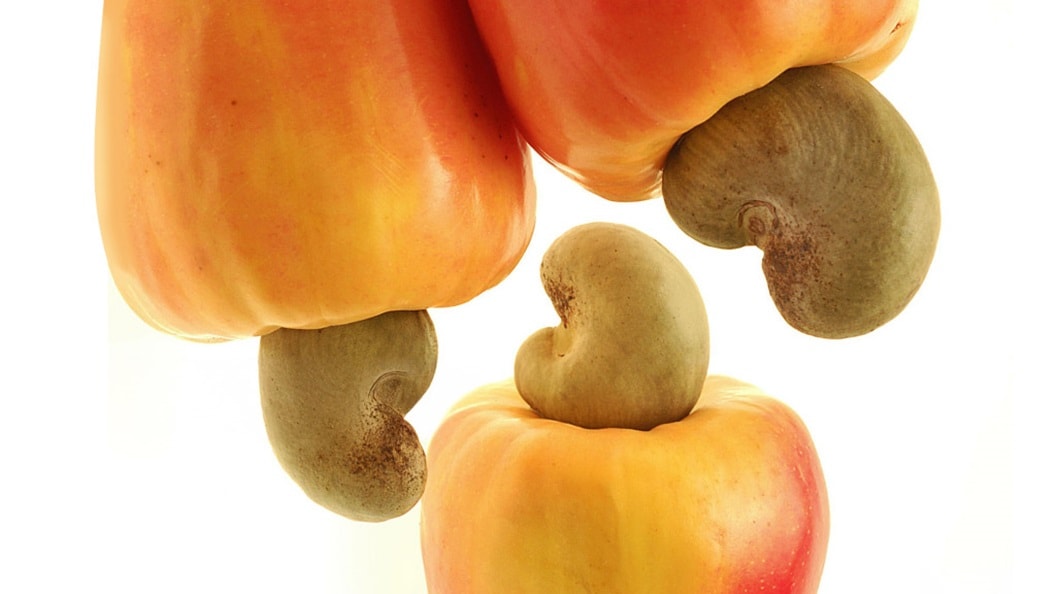
Take your cashews to the world
We understand that producing high quality cashews demand months of devoted effort. To learn more about how you can make the most out of your produce and maximise the value of your harvest, make sure you talk to our experts at this year's World Cashew Conference (WCC) 2026 in Dubai.
This event is the premier global forum for the cashew value chain. It convenes producers, processors, buyers, and service providers from 40+ countries to address market dynamics, technology adoption, sustainability, and financing. Backed by CICC (Consultative International Cashew Council), the event aligns industry dialogue with policy frameworks, enabling strategic partnerships and trade facilitation. Dubai's connectivity ensures efficient networking and deal-making opportunities. For businesses seeking growth, innovation, and resilience in a competitive market, WCC 2026 offers actionable insights and a platform to forge high impact collaborations.
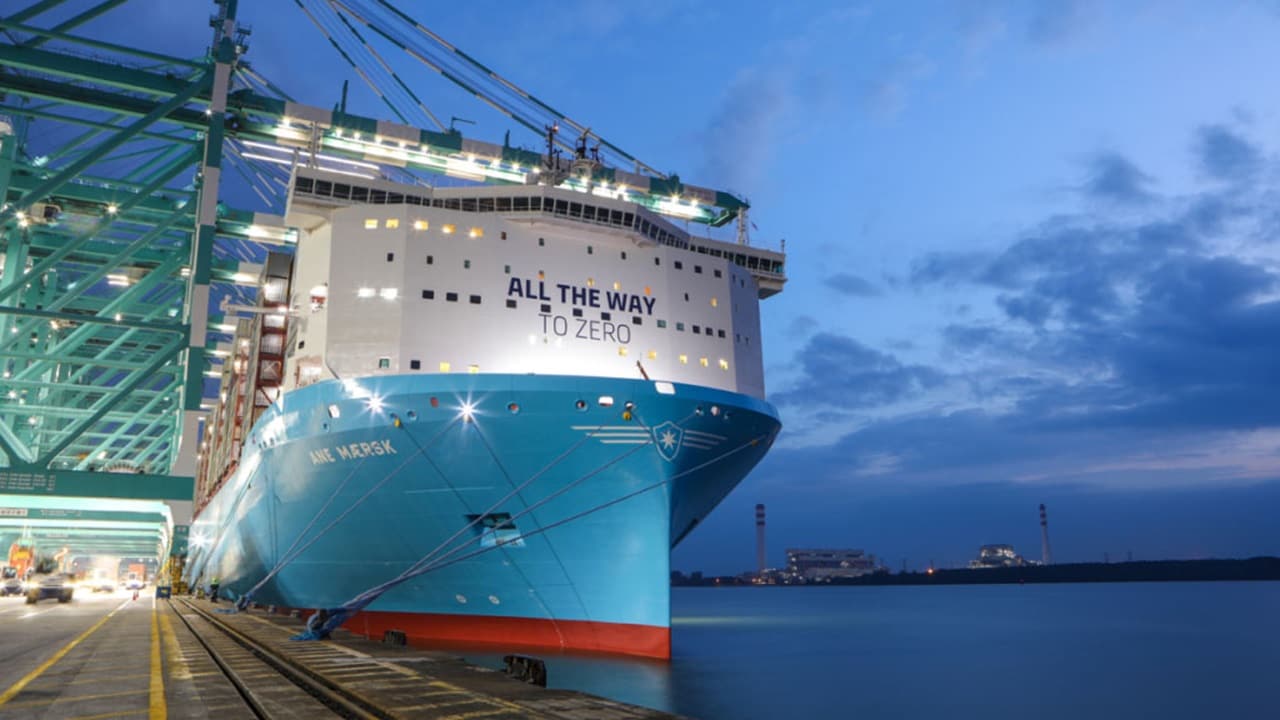
By attending, learn more about how Maersk can create resilient supply chains that take your harvest from Africa to the world. As an integrated logistics partner with global expertise, we make it easier for African cashew producers/farmers to connect to markets worldwide with supply chains that ensure your cashews stay pristine and high quality.
Challenges facing the cashew industry
- Cashew growing regions have inadequate feeder roads, making transport to ports slow and costly.
- Port congestion in West Africa may add delays, hurting timely delivery commitments.
- Limited warehouse capacity and poor post harvest handling can lead to quality deterioration (e.g., moisture damage, pest infestation).
- Exporters may face bottlenecks in securing phytosanitary certificates, fumigation reports, and origin documentation, which delays shipments and increase costs.
- Many processors struggle with standardisation, traceability, and meeting international norms like HACCP and ISO. On the other hand, buyers in Europe and North America demand consistent quality and food safety compliance.
The Maersk advantage

Maersk Ocean Transport

Maersk Contract Logistics

Maersk Inland Transportation

Maersk Customs Services

Maersk Lead Logistics & Maersk Visibility Studio
Maximising the potential of cashew harvest
Global demand for cashew kernels has always been high. They are rich in protein and healthy fats, used in snacks, pastries, chocolate, plant-based foods, in high demand globally (USA, EU, Middle East, India, China). Raw Cashew Nuts (RCN) is produced majorly in West Africa (Côte d’Ivoire, Benin, Nigeria, Ghana, Burkina Faso) and Asia (India, Vietnam). Kernels (cashew nuts) are sold all over the world to roasters, snack manufacturers, chocolate & ice cream companies, retail supermarket brands and Middle East bulk traders.
Cashew Nutshell Liquid CNSL is a natural oil found inside the shell of the cashew nut. When factories process cashew nuts to extract the edible kernel, the shells are left with a thick, dark liquid inside this is CNSL. Nuts and CNSL make up 24% of the RCN. The major processors in West Africa are Ivory Coast & Benin, with India, Vietnam & Malaysia being the other large processors:
After removing the edible nut (the kernel) and the CNSL, each cashew nut leaves behind a hard shell. These shells are usually considered waste, but they can be used as biomass a renewable energy source like wood chips or pellets. Cashew shells contain energy rich compounds that burn very well once the oil inside (CNSL) is removed. This makes them useful as fuel for industrial boilers. It is renewable (comes from agricultural waste), low cost compared to fossil fuels, low carbon footprint, available in large quantities in West Africa. Primary demand for the shells comes from Denmark and other countries in Europe. This is a great opportunity to expand and get more out of your cashew harvest, as shells constitute 70% of the RCN.


