
 LinkedIn
 Facebook
 X.com
X.com
 WeChat
 Email
Email
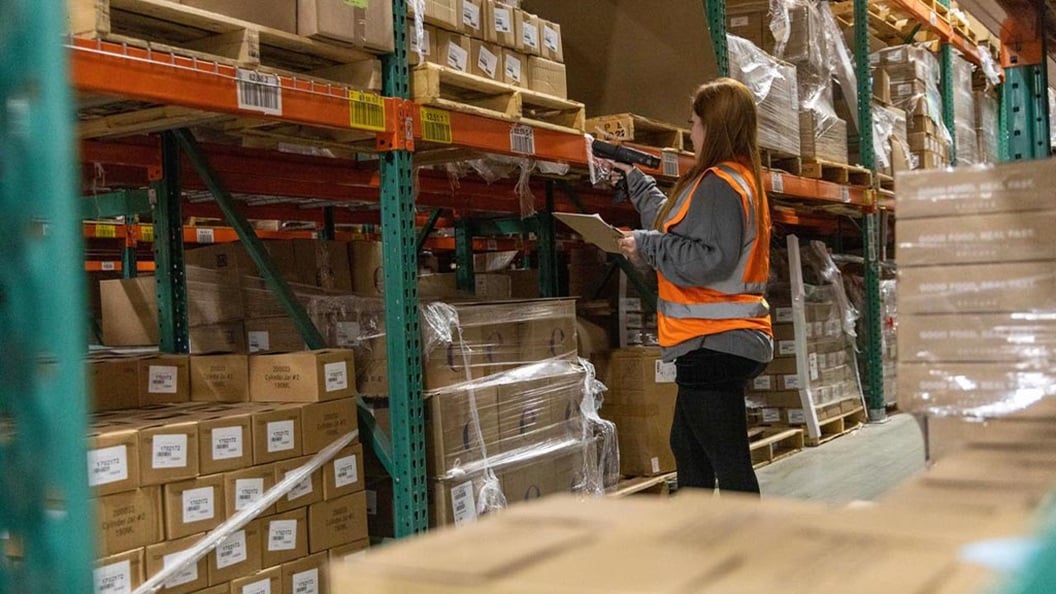
As part of our commitment to provide you with the most up-to-date and relevant information on the logistics industry, we share our Market Update on the Latin American market.
You will find information and interesting data on the update of the state of the ports, the most important transport routes and relevant news.
We hope you'll find the following information helpful, as well as inspiring to boost your business and keep your cargo moving.
Topic of the Month: Supply Chain Orchestration in Latin America
Managing logistics in Latin America requires navigating a uniquely dynamic environment where diverse actors, multiple handovers, and expansive geographies converge across a wide regional landscape. This complexity creates the ideal conditions for supply chain orchestration to make a real impact. By aligning data, processes, and stakeholders, companies can coordinate operations more intelligently and operate with greater flow, visibility, and synchronization. As organizations across LAM seek greater agility and operational continuity, orchestration emerges as a powerful approach to connect systems and teams end-to-end, enabling more resilient, predictable, and integrated supply chains.
What is supply chain orchestration:
Supply chain orchestration is a management approach that synchronizes all steps of the supply chain—planning, execution, documentation, and partner interactions—through a connected end to end operational logic. Rather than having each function or provider work independently, orchestration integrates systems, data, and decision-making into one coordinated framework that enables operations to flow smoothly and predictably.
At its core, orchestration is about transparency and alignment. It leverages real time data, digital platforms, and integrated workflows to ensure that what happens in one stage of the operation automatically informs the next. Whether updating inventory, generating logistics documents, scheduling transport, or tracking shipments, orchestration ensures these activities are executed consistently across partners and regions.
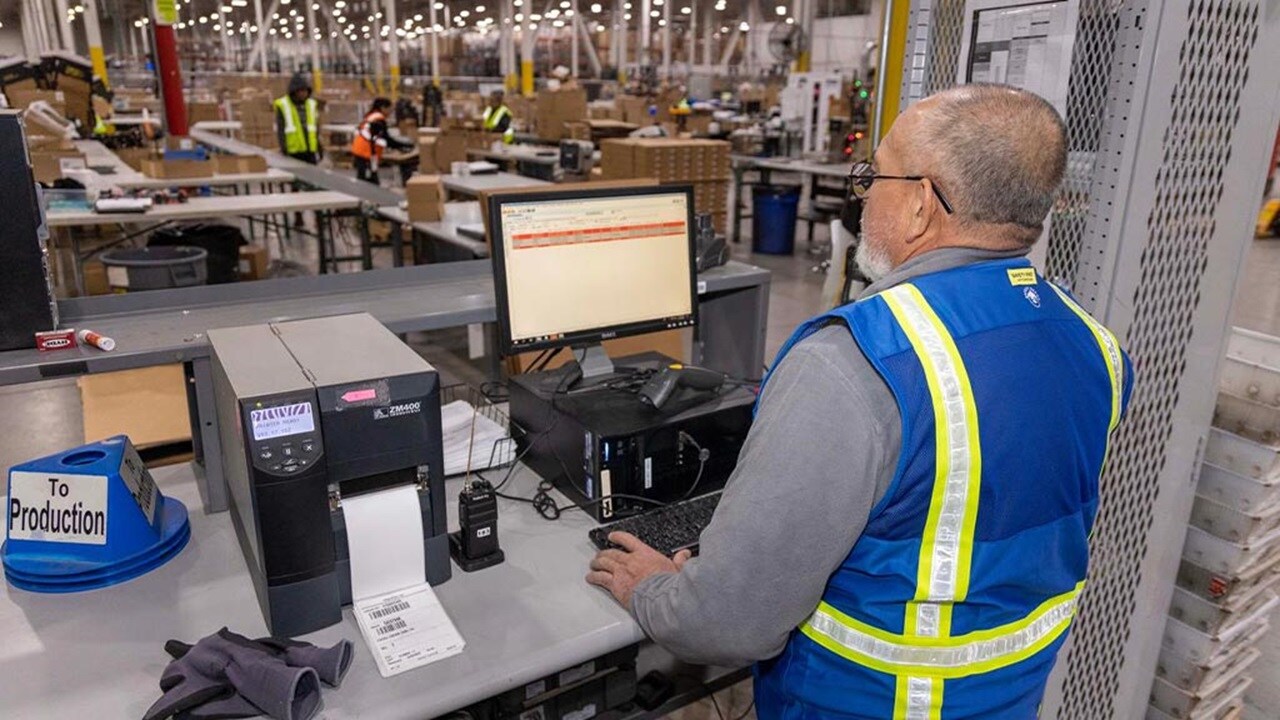
Unlike basic automation, orchestration focuses on making the supply chain operate as a cohesive ecosystem, reducing exceptions, strengthening continuity, and enabling companies to respond faster to shifts in demand or disruptions. In a region as dynamic as LAM, where visibility gaps and fragmented processes are common, this approach provides the structure and intelligence needed for greater control and resilience.
The complexity of supply chains in LAM
Latin America’s logistics environment is shaped by vast geography, diverse regulatory frameworks, and the need to coordinate operations across multiple countries, modes of transport, and service providers. Companies often manage cross border flows involving different customs regimes, uneven infrastructure maturity, and long inland distances that extend lead times. In this context, collaboration and coordination become as critical as capacity and execution.
Supply chains in LAM typically rely on multiple partners—carriers, warehouses, brokers, forwarders, and last mile providers—each operating with their own systems and processes. This often results in fragmented information and limited operational visibility. As regional trade grows and customer expectations shift toward faster and more predictable deliveries, companies are increasingly looking for ways to connect their supply chain ecosystem more intelligently. Orchestration addresses this need by integrating data, standardizing workflows, and creating a unified operational picture across the region.
How orchestration works in day-to-day operations
Operationally, orchestration transforms processes that previously relied on manual updates and disconnected workflows into integrated, continuous, and automated flows. Instead of each partner or function working independently, orchestration connects systems and teams under a central logic that aligns activities across the entire chain.
In an orchestrated environment:
- Inventory levels update automatically
- Picking and packing tasks are triggered based on order priorities
- Transportation is scheduled dynamically using predefined rules and capacity
- Fiscal and logistics documents are generated in sync
- Deliveries are monitored in real time, creating an end to end operational view
As regional trade expands and nearshoring accelerates intra LAM movements, companies face more pressure to operate with speed and predictability. Studies show that organizations in LAM are prioritizing real time visibility and exception management, precisely the capabilities that orchestration enables through connected partners, systems, and data.

Disruption reduction and strategic gains
Supply chain orchestration plays a central role in reducing operational disruptions in Latin America, where multimodal networks, regulatory diversity, and infrastructure gaps can create instability. By aligning data, processes, and partners in one coordinated structure, orchestration offers companies greater control and predictability—even when external conditions fluctuate.
When implemented effectively, orchestration provides key strategic benefits:
- Lower logistics and operational costs through reduced manual intervention
- Fewer errors driven by standardized processes and automated data exchanges
- Greater end to end visibility to strengthen decision making
- Faster, data driven responses to disruptions
- Increased agility supported by predictive insights and real time alerts
- Improved reliability and customer service through more consistent operations
Companies across LAM are shifting from reactive to proactive supply chain models, using real time dashboards and predictive tools to stay ahead of disruptions. As a result, orchestration helps move the supply chain beyond a cost center mindset and positions it as a strategic differentiator that enhances competitiveness and long term resilience.

A strategic evolution for Latin America
Operating a supply chain in Latin America means managing a fast moving and diverse logistics landscape shaped by cross border requirements, customs rules, and infrastructure variability. These factors can fragment operations and increase exposure to disruptions—especially when multiple partners and systems are involved.
In this environment, orchestration becomes a strategic evolution, not just a technological upgrade. By connecting planning and execution through real time data, companies can anticipate issues earlier, coordinate partners more efficiently, and maintain operational continuity even under volatile conditions.
As the region continues to diversify trade flows and adopt more advanced logistics models, organizations that embrace orchestration will gain the ability to operate with greater predictability, agility, and visibility—ultimately strengthening resilience and unlocking long term value. Orchestration enables supply chains in Latin America to function as integrated ecosystems capable of supporting the region’s increasingly ambitious commercial and operational demands.
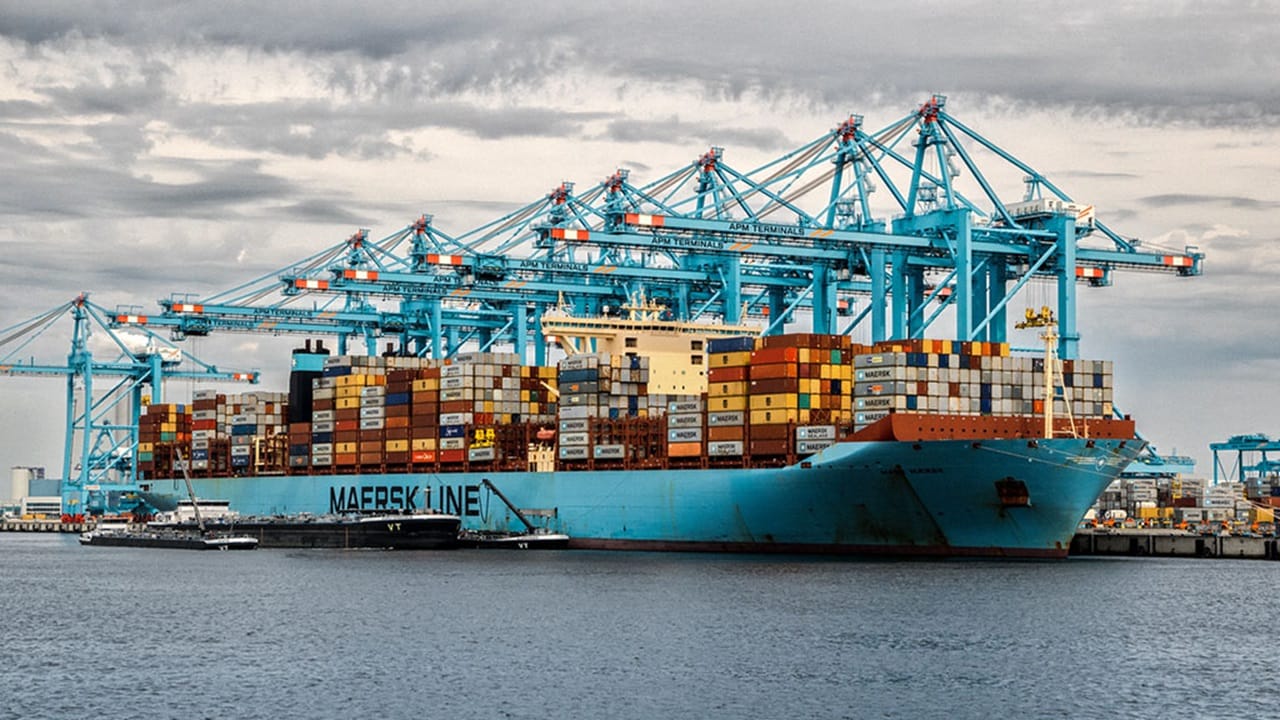
Ocean updates
| Trade lane | Comments |
|---|---|
|
Trade lane
East Coast of South America to Intra-Americas
|
Comments
TANGO:
Seasonal call in Montevideo to attend Apples and Pears demand (transshipment from origin San Antonio Este). Norfolk remains suspended (cargo being attended via transshipment in Cartagena). |
Main port status
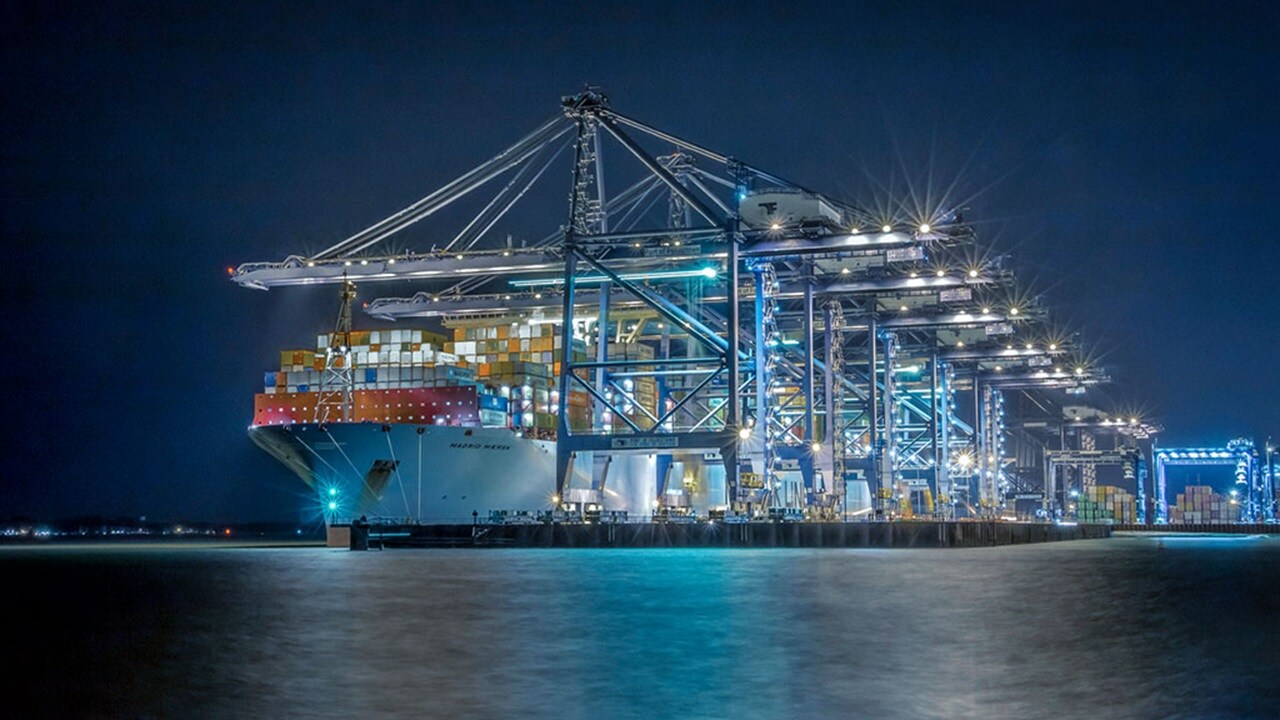
Central America, Andina and the Caribbean Sea Area: Operations are mixed, with most ports open but localized congestion driven by high yard occupancy, tight line-ups and weather impacts in specific locations. Productivity remains generally stable, though dwell times and gate constraints require close monitoring.
East Coast South America Area: Operations remain stable overall, with ports and gates open across the region. Yard occupancy is mostly within safe limits, though tighter conditions and longer waiting times persist at key terminals such as Santos, Paranaguá and Itapoá , especially for out-of-window vessels. On-window vessels continue to be prioritized, while weather conditions are generally favorable with only localized risks.
West Coast South America Area: Operations remain stable overall, with ports open and yard occupancy generally within manageable levels. Localized pressure persists in some terminals due to seasonal volumes and weather-related impacts, but vessel waiting times and productivity remain largely under control.
| 1-3 Days | 4-7 Days | |
|---|---|---|
|
Latin America
|
1-3 Days
Buenos Aires (vessels out of window ), Paranagua (vessels out of window), Montevideo, Balboa (vessels out of window), Cardenas, Veracruz, Caucedo, Perto Cortes (vessels out of window), Puerto Barrios (vessels out of window), Caldera (vessels out of window), Acajutla (vessels out of window)
|
4-7 Days
Santos Brasil (vessels out of window), Itapoa (vessels out of window), Corinto (vessels out of window)
|
|
Rest of World
|
1-3 Days
Baltimore, Houston BP, Houston BC.
|
4-7 Days
|
Highlights
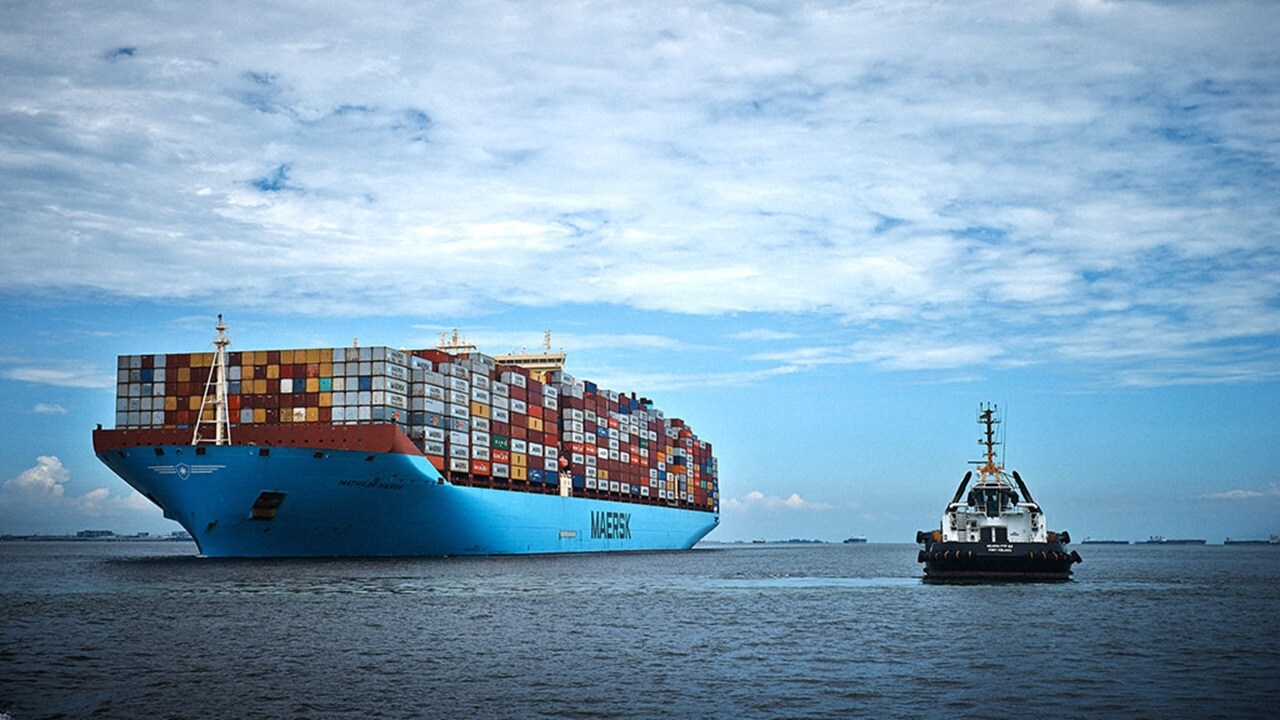
Maersk Global Market Update – Winter 2026
Forecasting and analysing the supply chain dynamics of 2026, starting with a potential return to the Red Sea.
Learn more from the global Maersk team
Learn what’s happening in our regions by reading our Market Updates by region.
Europe
North America
Asia Pacific
Be sure to visit our “Insights” pages where we explore the latest trends in supply chain digitalisation, sustainability, growth, resilience, and integrated logistics.


