LinkedIn
 Facebook
 X.com
X.com
 WeChat
 Email
Email
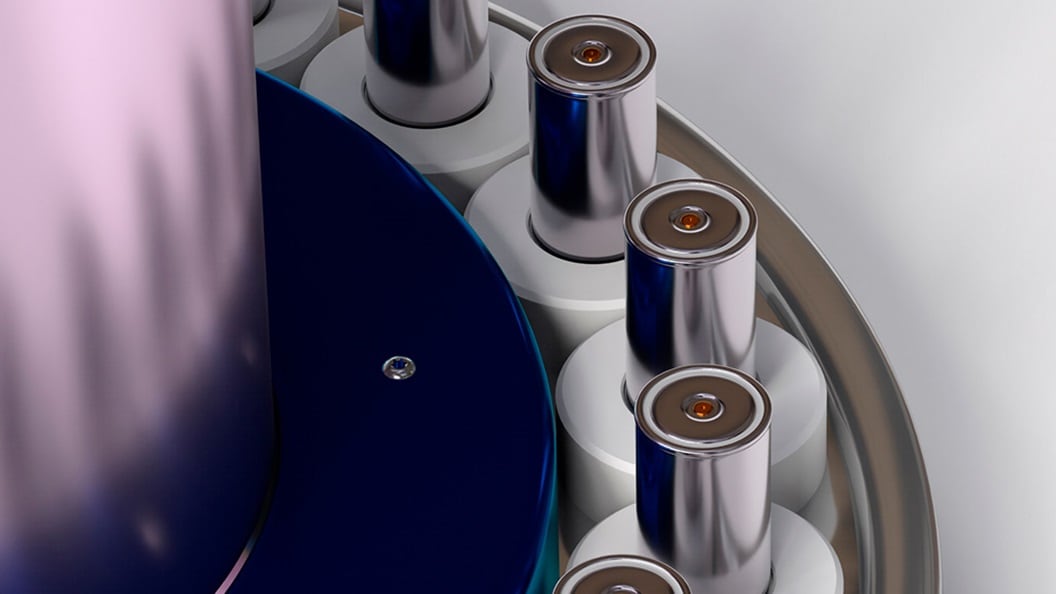
Lithium batteries need to be shipped with care to avoid issues like delays or rejected cargo. Due to their potential fire risk, they are considered dangerous goods and must follow international rules for packaging, labelling, documentation, and approvals.
This guide zeroes in on lithium-ion and lithium-metal batteries, the two chemistries that face the tightest controls. The rules are especially strict for air transport due to the elevated fire risks associated with the confined environment and altitude.
In the following sections, we highlight the key classifications, requirements, and best practices to keep your shipments compliant and moving smoothly.
Why are lithium batteries challenging to ship?
Lithium batteries present serious safety risks if not handled properly.
If batteries are packed or declared incorrectly, it can lead to issues such as leaks or overheating, which may affect shipment safety. These mistakes can also result in delays, added costs, or fines. Lithium batteries are classified as class 9 dangerous goods. The exact handling requirements depend on factors such as:
- Battery chemistry (e.g., lithium-ion vs. lithium-metal)
- Battery condition (new, used, or damaged)
- How they are shipped (standalone, installed in equipment, or packed with equipment)
Note: Damaged or recalled lithium batteries are prohibited for air transport. For ocean, acceptance is determined on a case-by-case basis. Shippers should contact their carrier or freight forwarder to confirm if special approvals and packaging can be arranged under IMDG Code provisions.
How are lithium batteries classified for shipping?
Lithium-ion and lithium-metal batteries are the two main types subject to international transport regulations. Their classification determines how they must be packed, labelled, and shipped.
| Battery type | UN number(s) | Examples | Risk class (DG) | Notes |
|---|---|---|---|---|
|
Battery type
Lithium-ion
(Li-ion)
|
UN number(s)
UN 3480 / UN 3481
|
Examples
Smartphones, laptops
|
Risk class
(DG)
Class 9
|
Notes
High energy density. Max 30% state of charge (SOC) for standalone lithium batteries shipped by air.* Damaged or recalled batteries are prohibited by air.
|
|
Battery type
Lithium-metal
|
UN number(s)
UN 3090 / UN 3091
|
Examples
Watches, medical implants, GPS devices
|
Risk class
(DG)
Class 9
|
Notes
Stricter than Li-ion**. Heavily restricted by air, especially for shipments of standalone batteries. Damaged or recalled units prohibited by air.
|
*As of 1 January 2026, lithium-ion batteries packed with equipment must fulfil 30% state of charge (only for Air transport)
**Source: The International Air Transport Association (IATA) Battery Guidance Document (2025)
Note: Other battery types (such as lead-acid, nickel-metal hydride (NiMH), nickel-cadmium (NiCd), and dry cell batteries) also require proper classification, documentation, and packaging – but follow different rules (not covered in this guide).
How to prepare lithium batteries for shipping
To move lithium batteries safely and compliantly, shippers must follow strict preparation steps. These ensure the cargo is secure, properly declared, and accepted by carriers.
1. Identify and classify the battery type
Start by understanding exactly what you’re shipping. You’ll need to know:
- Specifications (UN number, watt-hour rating, lithium content)
- Configuration (shipped alone, installed in equipment, or packed with equipment)
- Condition (new, used, damaged, or defective)
This determines which regulations apply and how the battery must be handled and declared.
2. Use compliant packaging
Proper packaging helps prevent leaks, short circuits, and fire risk. Ensure that:
- Batteries are placed in inner packaging (e.g., blister packs, plastic trays, or fibreboard).
- Terminals are protected with caps, tape, or insulation to prevent short circuits.
- Sufficient cushioning prevents movement inside the box.
- Outer packaging meets regulatory requirements. This may include strong boxes or other approved types, and for certain shipments, UN-certified packaging may be required.
3. Label and mark shipments correctly
Your package must carry the correct markings and hazard labels, including:
- UN number (e.g., UN 3480 for lithium-ion)
- Hazard label (Class 9 for lithium batteries)
- Lithium battery mark, when required
- For air shipments: proper shipping name (e.g., “lithium-ion batteries”)
Note: Use durable, weatherproof labels, and ensure they are placed on the outer packaging (not on shrink wrap or removable covers).
In addition, a Shipper’s Dangerous Goods Declaration (DGD) is generally required when shipping fully regulated lithium batteries, such as those not meeting exemption criteria. However, the need for a DGD depends on factors like battery type, quantity, and mode of transport – with air and ocean regulations differing significantly. Always check the latest IATA and International Maritime Dangerous Goods (IMDG) requirements before shipping.
Shipping lithium batteries by air vs ocean: what changes?
Different rules apply depending on whether you ship lithium batteries by air (IATA and International Civil Aviation Organization (ICAO) regulations) or ocean
(IMDG Code).
| Requirement | Air (IATA/ICAO) | Ocean (IMDG) |
|---|---|---|
|
Requirement
State of charge (SOC)
|
Air (IATA/ICAO)
≤ 30% SOC for standalone lithium-ion batteries*
|
Ocean (IMDG)
No SOC requirement
|
|
Requirement
Damaged or recalled batteries
|
Air (IATA/ICAO)
Prohibited
|
Ocean (IMDG)
On case-by-case basis
|
|
Requirement
Packaging
|
Air (IATA/ICAO)
Inner + outer packaging, UN-certified (as per IATA packing instructions)
|
Ocean (IMDG)
Inner + outer required, but less restrictive than air (as per IMDG packing instructions)
|
|
Requirement
Labels
|
Air (IATA/ICAO)
Class 9 hazard label + lithium battery label (where applicable); as per label and marking in IATA
|
Ocean (IMDG)
Class 9 hazard label required; as per IMDG label and marking
|
|
Requirement
Documentation
|
Air (IATA/ICAO)
Shipper’s Declaration for Dangerous Goods (DGD)
|
Ocean (IMDG)
Shipper’s Declaration for Dangerous Goods (DGD) required; other documents vary by carrier/region
|
*As of 1 January 2026, lithium-ion batteries packed with equipment must fulfil 30% state of charge when shipped by Air.
What about road and rail transport?
Most lithium battery shipments also involve a road or rail leg, for example between factories, warehouses, ports, and airports. Road and rail movements are regulated regionally (ADR in Europe, 49CFR in the US, RID for rail, etc.). Always confirm local requirements.
Best practices for shipping lithium batteries safely
To stay compliant and avoid disruptions, follow these industry best practices:
- Train your team
Anyone handling battery shipments must complete dangerous goods training. Ensure your facilities and partners have an emergency response plan and clear standard operation procedures (SOPs). - Use certified packaging
Source packaging from approved suppliers and always check that provisions meet IATA or IMDG requirements. - Label correctly
Apply the correct labels and hazard marks consistently. - Never ship damaged batteries by air
Swollen, leaking, or recalled batteries are strictly prohibited for air transport but may be approved for ocean (on a case-by-case basis). - Review regulations before every shipment
Requirements evolve frequently. Always confirm the latest IATA or IMDG updates, and check carrier-specific restrictions before booking.
Need help shipping lithium batteries safely?
Handling lithium battery shipments is complex. It requires precision at every step – from classification and packaging to documentation and mode-specific compliance.
Whether you’re moving new electric vehicles by ocean, shipping lithium batteries by air, or storing components in between, we simplify complex battery logistics. Our teams handle dangerous goods with care, ensure documentation aligns with global DG regulations, and support certified packaging, customs compliance, and safe storage.
With expertise spanning ocean, air, and inland modes – as well as specialised services like reverse logistics and regulatory support – we help ensure your lithium battery shipments move safely and smoothly from origin to destination.