How to ship a container for the first time: 5 things to consider
 LinkedIn
 Facebook
 X.com
X.com
 WeChat
 Email
Email
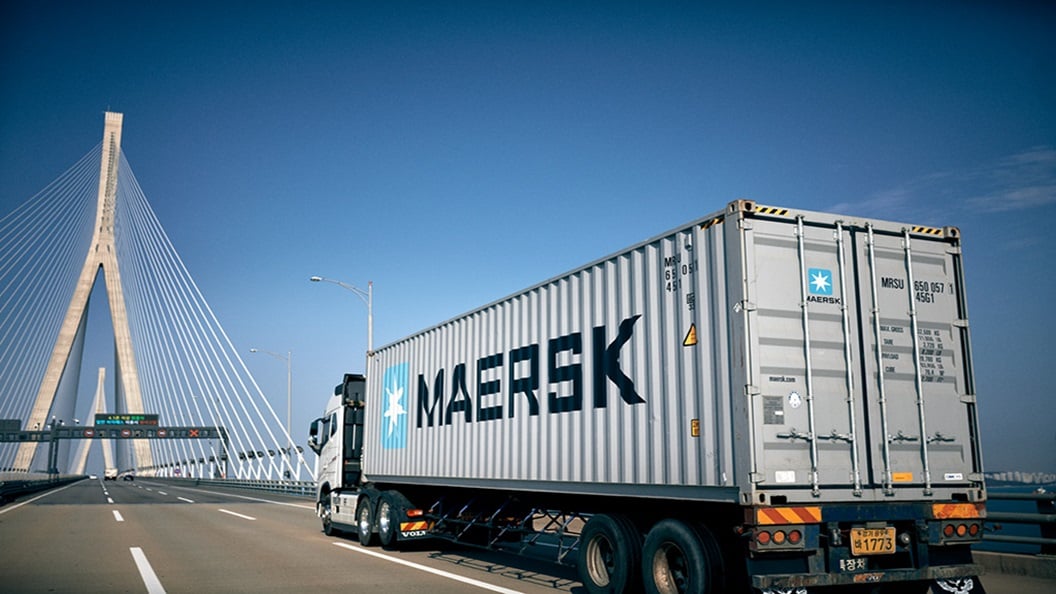
We know it can be hard to tap into international trade when you’re new to the logistics language and processes. And understanding how to ship a container can seem overwhelming. To simplify your journey into container shipping, we’ve identified five crucial considerations – with our insights, necessary shipping information, and key requirements. Let’s get your cargo moving!
- What are you shipping in your container?
- Commodity type: Are the goods standard, refrigerated (perishables), or classified as dangerous cargo?
- Special handling requirements: Your chosen logistics provider must support your cargo type, including specialised containers such as reefers or tanks.
- What are the cargo dimensions and weight?
- Total weight and total volume (m³) directly influence the type and size of the container you’ll use. Larger, longer and heavier shipments require additional space, so you can expect additional surcharges. Know more about tare, net, and gross weight here.
- You also need to understand the difference between LCL and FCL in shipping. Opting for Full-Container Load (FCL) means you utilise the entire container. With Less-than-Container Load (LCL), you only use and pay for a portion of the container’s capacity. Choosing correctly between FCL and LCL can significantly affect your shipping costs.
- What is your shipment’s origin and destination?
- Are you shipping containers internationally or within the same region?
- Is door-to-door shipping required, or just port-to-port service?
- Know about the Incoterms®. They determine who covers transportation and customs charges, influencing overall shipping costs and responsibilities.
- What are your tentative shipping timelines?
- Establish realistic timeframes. Include transit, loading/unloading, customs clearances, and a buffer for potential delays.
- Factor in seasonal shipping peaks like Chinese New Year or Golden Week, which can significantly increase shipping times and costs.
- Evaluate different transport modes (rail, road, ocean, or air). Ocean transport suits larger cargo volumes but generally takes longer.
- What are your container shipping costs and fees?
- Identify costs like ocean freight rates, customs duties, insurance, and other handling charges.
- Factor in additional costs such as demurrage and detention, container chassis fees, and other surcharges.
- Review your agreed-upon Incoterms® to determine which charges you’re responsible for and which your supplier covers.
Knowing precisely what your freight is and what will go inside your container is essential:
Clearly defining your cargo type upfront helps avoid shipment delays or rejections.
Based on your commodity, containers can come in various sizes and specifications. Selecting the right one is crucial to protect your cargo and optimise shipping costs. Here’s a guide to shipping container sizes and types. Before choosing a container, assess your cargo’s requirements, including size, weight, and any special handling needs.
Before shipping your container, determine the exact size and weight of your cargo:
Clearly define your shipment’s origin and final destination.
The start and finish points will affect the overall freight cost and determine whether you need an end-to-end logistics service that combines inland transportation and ocean freight. You can also check our local information pages for region-specific details like import/export requirements, documentation, routes, extra charges, holidays, and cut-off times.
Effective container shipping demands precise planning and timing:
Having a detailed timeline ensures your shipments arrive when needed, avoiding costly disruptions. Ideally, have a buffer in terms of timelines and budgets to account for contingencies.
When shipping containers for the first time, understanding the shipping costs is crucial:
Get a detailed cost breakdown from your shipping provider to avoid unexpected expenses. Learn more about key components of freight shipping costs here.
Shipping containers for the first time can seem overwhelming. But it doesn’t have to be. With Maersk Go, you get a simple, self-service platform to book, track, and manage every shipment, all in one place. Whether you’re new to logistics or looking for a smoother way to ship, we’re here to make the process easier.








註冊訂閱物流脈動電子報
透過在此表單註冊,您可直接在信箱中接收我們的見解,踏入真正整合物流的世界。從我們精選的文章中獲取靈感,幫助您掌握供應鏈、瞭解產業趨勢並形成物流策略。您可以隨時取消訂閱。
感謝您註冊
出現意外錯誤
抱歉,我們無法為您註冊訂閱電子報。