
 LinkedIn
 Facebook
 X.com
X.com
 WeChat
 Email
Email
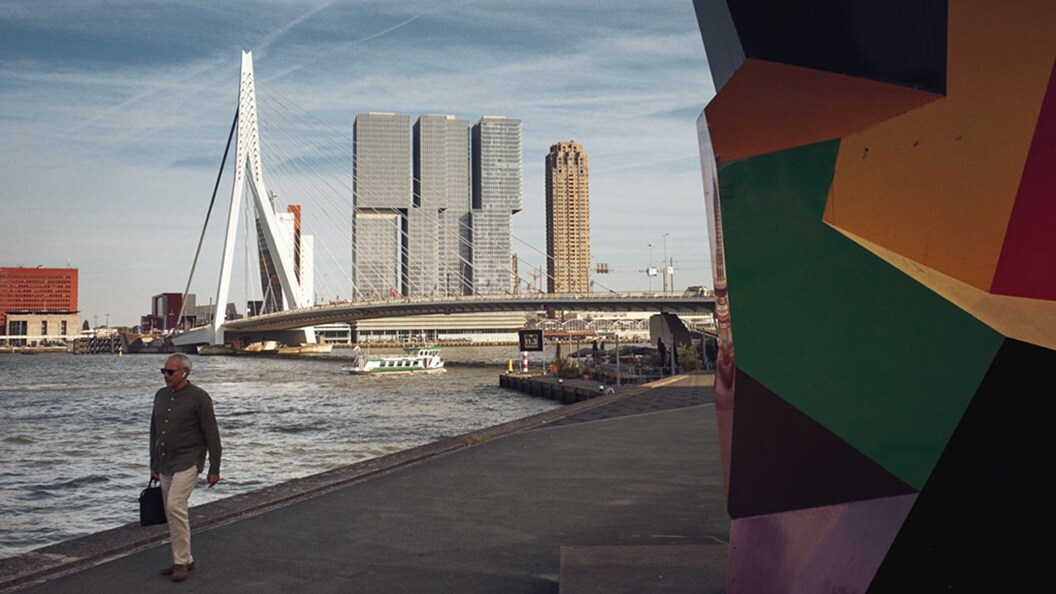
A combination of geopolitical challenges, regulatory changes, and even long-term effects of Covid-19 disruptions, mean supply chain challenges are here, and they are here to stay. The recent webinar on the importance of Rotterdam as a port for connectivity to and from Europe highlighted how companies can leverage Rotterdam’s strategic advantages to enhance their supply chain efficiency, improve resilience, and embrace sustainability.
With input from logistics and supply chain experts, the discussion emphasised three key areas: the strategic advantages of Rotterdam’s location, practical ways to optimise logistics, and the innovative solutions driving operational efficiency. Below is a deep dive into how Rotterdam’s port offers an edge to companies navigating modern supply chain challenges.
The role of strategic location in enhancing supply chain flexibility and resilience
Global and European supply chains alike have been profoundly affected by recent global events. Geopolitical tensions, such as the Russia-Ukraine war, combined with new EU regulations on sustainability and the long-term effects of COVID-19, have upset the markets for grains, fertiliser, and fuel, but more importantly exposed significant supply chain vulnerabilities. Many companies are now re-evaluating their supply chains, seeking flexibility and resilience to handle large cargo flows while mitigating potential disruptions.
The webinar highlights Rotterdam’s strategic position as the gateway to Europe and highlights its role in building resilient supply chains. The port’s proximity to key markets and its expansive network enables efficient cargo movement across the continent.
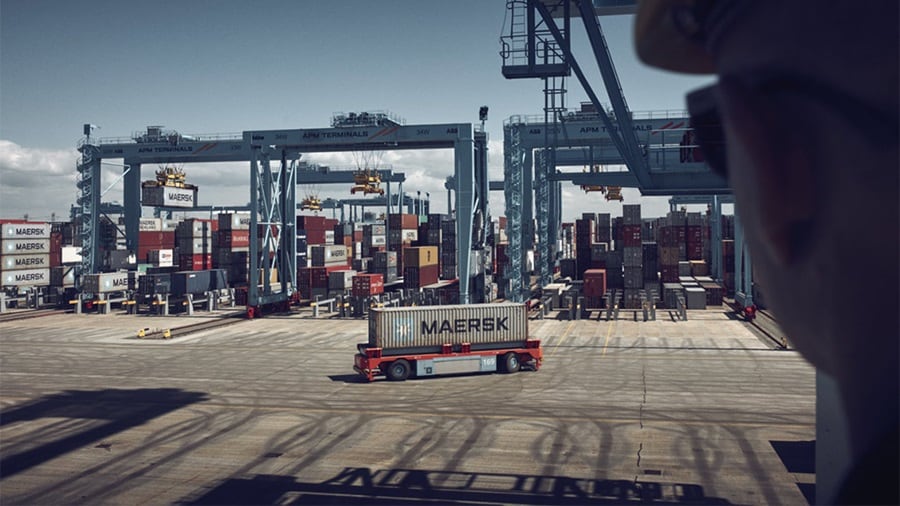
“The Port of Rotterdam facilitates the flow of goods from Europe to the rest of the world, handling 37,000 containers daily and 13,4 million TEUs a year,” states Hanna Stelzel, Director Containers at the Port of Rotterdam. Companies can quickly reach major European markets using Rotterdam’s well-developed intermodal connections, including truck, barge, and rail services.
One of the major geopolitical trends discussed during the webinar is Europe being caught up in the middle of the US and China trade competition, with many cargo flows between the two world powers going through Europe.
Europe, however, is not standing still and is instead strengthening its position as a regulatory superpower, with stringent regulations around CO2 emissions and deforestation, companies are forced to adjust their supply chains to meet new standards. The EU is developing rules that reach deep into the supply chains that start around the world, and so far, companies have experienced difficulties overseeing that the consequences of those regulations are for their supply chains.
“There is an overall need for more advanced supply chain knowledge, and over the last three decades, Rotterdam has developed both infrastructure and capabilities to cleverly organise logistics with smart logistics solutions that can handle large cargo flows,” said Albert Veenstra, Academic Director of the MSc in Maritime Economics and Logistics at the Rotterdam School of Management.
Practical logistics solutions for improving efficiency and resilience
During the webinar, several examples illustrated how companies have leveraged Rotterdam’s capabilities to optimise their logistics and supply chain operations.
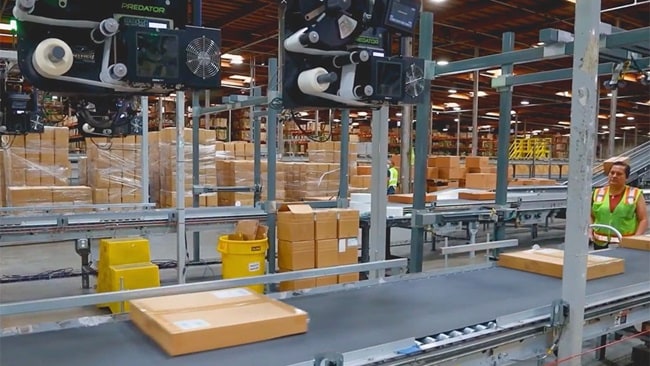
For instance, a global technology company faced a challenge in meeting tight retail deadlines, where every day of delay meant capital trapped in the supply chain. Rotterdam’s cross-dock solution allowed the company to quickly unload cargo, bypass traditional distribution centers, and forward the goods directly to their final destination. This not only sped up delivery times but also minimised inventory hold-ups and reduced costs.
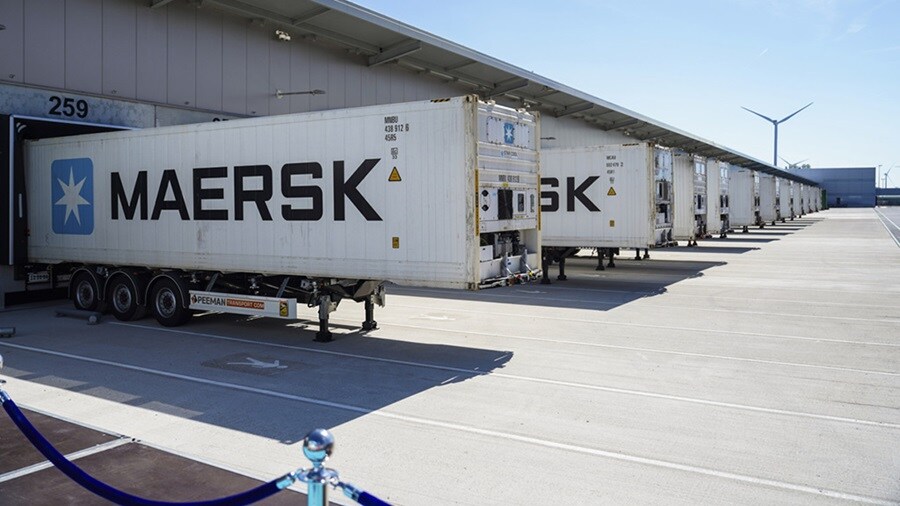
Similarly, a food manufacturer dealing with peak demand during summer was able to avoid costly port demurrage and detention charges by using Rotterdam’s cross-dock services. Instead of allowing containers to accumulate, the company could temporarily store goods at the port and deliver them just in time, cutting both emissions and expenses.
To fully embrace smarter and more innovative logistics solutions that can stand the test of disruptions, digitalisation efforts are needed across all the players in the supply chain. For Port of Rotterdam, that means having and developing insights into what might be coming across the market, having protocols in place on how to react, and be prepared for worst case scenarios.
Next to being able to address disruptions, digitalisation efforts can lead to efficiencies that support sustainability. “If we look at port calls, there are several opportunities to improve the sustainability with the help of digitalisation – with just-in-time sailing, a vessel can reduce overall emissions by up to 14%,” continues Stelzel.
Additional developments include a digital queueing app for truck drivers to reduce idle time, as well as extending these efforts to customs and logistics service providers (4PL), enabling better tracking, predicting bottlenecks, and mitigating disruptions in real-time.
A call for collaboration and transparency
One of the most prominent expert tips shared during the webinar was the critical need for collaboration across the entire supply chain ecosystem. Transparency and cooperation between companies, logistics providers, and port authorities are crucial to successfully navigating the challenges of today and tomorrow.
Resilient supply chains require a collective effort. For companies, this means having to look at supply chains in their entirety – they need to understand what their supply chain looks like in the first place, and regularly reassess if that supply chain meets their strategic goals. There is a clear need for more advanced supply chain knowledge, however for many companies that is not their core competency, resulting in fragmented and disconnected supply chains. As a logistics integrator, Maersk can support in bridging this gap by providing competency in logistics and designing a solution that best fits the needs of the customer.
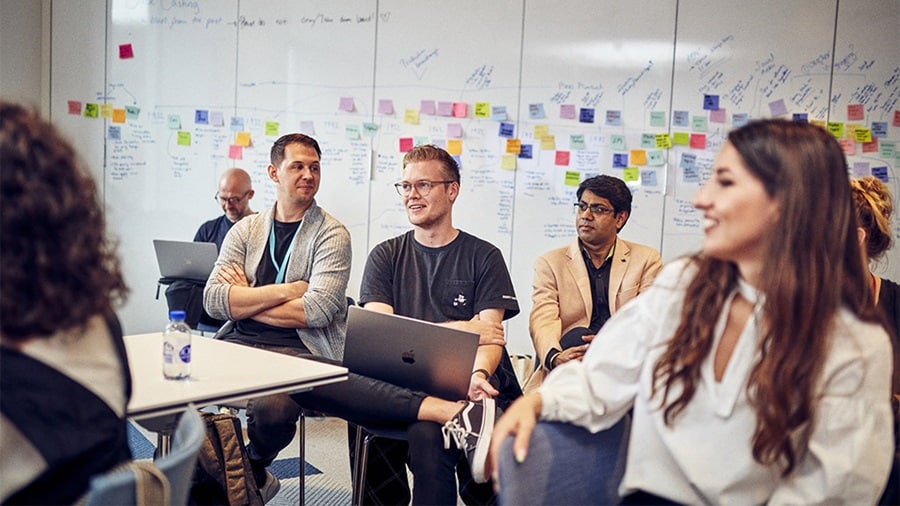
For the Port of Rotterdam, transparency extends beyond companies’ supply chains to collaboration with other ports in the world. “In the past, there was almost competition between the ports, now the way of working is changing, and we see more collaboration especially around energy transition, which needs to happen at a large scale.
For example, we are working with the Port of Singapore on initiatives such as green and digital corridor, long distance green container shipping, and digital trade,” pointed out Stelzel.
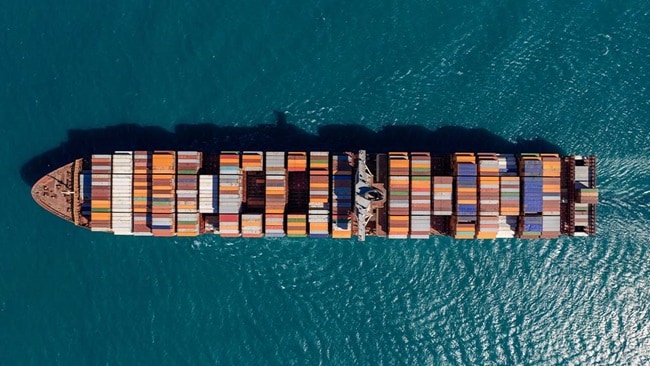
And coming back to the biggest supply chain disruptors, tackling changing EU regulation will require companies to work within the chain and figure out how all the links are going to support strategic objectives and compliance. “For example, with more sustainable shipping, all players must understand where we need to build green methanol hubs to make sure methanol ships like Laura Maersk can sail. And all of this requires a level of transparency that is more difficult to achieve than people realise,” concludes Veenstra.
As companies reassess their supply chains to align with new realities, Rotterdam’s forward-thinking approach and innovative solutions make it an essential component of future-proof logistics strategies. Whether handling large cargo flows, reducing costs, or meeting sustainability targets, Rotterdam provides the connectivity and capabilities necessary for companies to thrive in today’s dynamic supply chain environment.
To hear more about the positioning of Rotterdam in the face of growing global supply chain complexity, you can still access our on-demand webinar – Rotterdam, the gateway to Europe.

取得產業內部人士的見解








您是否想隨時獲取未來產業趨勢的必修課?
您完成了,歡迎訂閱!
很抱歉,發送您的聯絡請求時發生問題。
請檢視表單欄位,並確保提供所有必要的正確資訊。若問題仍然存在,請聯絡我們的支援團隊尋求進一步協助。
您是否想隨時獲取未來產業趨勢的必修課?
透過在此表單註冊,您可直接在您的郵箱中接收我們的見解,踏入真正整合物流的世界。只要按幾下,您就可從我們為您量身訂製的文章中獲取靈感,並獲得相關業務見解。您可以隨時取消訂閱。
I agree to receive logistics related news and marketing updates by email, phone, messaging services (e.g. WhatsApp) and other digital platforms, including but not limited to social media (e.g., LinkedIn) from A. P. Moller-Maersk and its affiliated companies (see latest company overview). I understand that I can opt out of such Maersk communications at any time by clicking the unsubscribe link. To see how we use your personal data, please read our Privacy Notification.
By completing this form, you confirm that you agree to the use of your personal data by Maersk as described in our Privacy Notification.