 LinkedIn
 Facebook
 X.com
X.com
 WeChat
 Email
Email
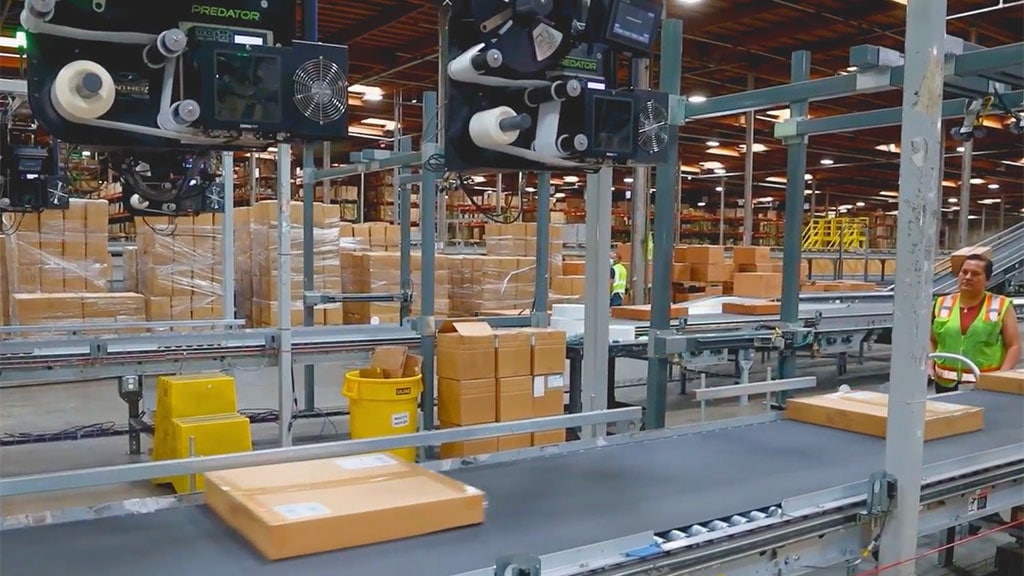
E‑commerce logistics is shifting into a more dynamic environment where the models that once powered growth now require a fundamentally more flexible and adaptive foundation. This shift isn’t driven only by transportation dynamics, it’s being accelerated by the expansion of shopping channels from marketplace platforms to social commerce ecosystems like TikTok Shop, Instagram Checkout, and livestream retail. These new discovery-to-purchase pathways create more fragmented order flows and unpredictable demand spikes, pushing retailers to adopt adaptable parcel strategies capable of scaling across channels.
One of the most effective strategies emerging is the move toward multi‑carrier parcel models which give businesses the flexibility to route deliveries based on performance, cost, and destination all through a single orchestration platform. Maersk reflects this shift through a network that connects retailers to 75+ carriers, enabling resilient parcel performance at scale.
Why multi‑carrier approaches are reshaping e‑commerce logistic
The rapid growth of e‑commerce has created pressures that traditional parcel models can no longer absorb. Companies are operating in an environment shaped by fluctuating carrier capacity, persistent cost volatility, and heightened customer expectations. When retailers depend on a single parcel provider, they face a greater risk of service disruptions and limited options when performance declines. Multi‑carrier strategies offer a practical alternative because they distribute that risk across several delivery partners and allow companies to make more informed routing decisions.
This shift aligns with the realities highlighted in my conversation with Supply Chain Dive, particularly the need for operational models that balance reliability with cost efficiency as volumes shift across channels and geographies. Retailers are increasingly choosing routing models that dynamically assign parcels based on service level performance, destination type, and cost suitability, helping maintain delivery commitments even under changing conditions.
Technology is accelerating this movement. Modern platforms give retailers a centralized view of their routing rules, carrier options, customs workflows, and tracking data. As a result, teams can manage domestic and international parcel flows through a unified system rather than relying on separate tools or provider‑specific portals. This consolidation creates a more predictable and scalable operating model for e‑commerce fulfilment. It also improves customer experience by creating clearer visibility from origin to doorstep.
The influence of new shopping channels
As discussed during a conversation with The Loadstar, the rise of social commerce platforms has compressed demand cycles and introduced new forms of volatility into parcel networks. Livestream shopping, influencer-driven promotions and rapid marketplace expansion can generate peak-level surges on virtually any day of the week, shifting order patterns in ways that traditional parcel models were never designed to handle.
To keep pace, retailers need the ability to flex volume across multiple carriers in real time, adjust routing rules as demand shifts across channels, and unify orders originating from platforms as varied as TikTok Shop and Shopify into a single, cohesive fulfilment engine. This is where multi-carrier flexibility moves from being a contingency plan to becoming a true competitive advantage of one that enables retailers to stay responsive no matter how quickly customer behaviour evolves.
How integrated solutions reflect this industry shift
The industry-wide transition toward multi‑carrier parcel logistics is visible in how leading providers are designing their networks. Maersk’s e‑commerce offering reflects this broader trend through a structure that integrates more than 75 carriers into a single digital platform, consolidates global parcel volumes, and enables consistent performance across domestic and international lanes. This network supports more than 80 million parcels per year and maintains a 97% on‑time delivery rate, demonstrating how orchestration can elevate reliability at scale.
Regional infrastructure reinforces this strategy. In North America, Maersk operates sorting facilities, fulfilment integrations, and international gateways that work together to create a unified parcel experience. These assets strengthen national coverage and support fast delivery windows. When paired with technology‑driven network optimization, the system reaches 93% of U.S. consumers in fewer than three days, which illustrates how multi‑carrier routing and coordinated network design can improve service outcomes in a large and diverse market.
Retailers are increasingly seeking partners that simplify complexity without reducing choice. They want access to multiple carriers but prefer to manage their parcel operations through a unified digital environment. This preference is driving logistics providers to act as network coordinators rather than single‑mode transportation vendors. Providers that combine diverse carrier access with intelligent routing capabilities, strong visibility tools, and integrated digital workflows are becoming essential to long‑term e‑commerce growth.
As the landscape evolves, multi‑carrier parcel strategies will continue to shape how businesses plan for resilience, customer experience, and international expansion. Companies that adopt these models now will enter the next phase of e‑commerce with greater agility and a more dependable delivery foundation.
About the expert
These insights reflect the experience of Maersk’s E‑Commerce leadership, who are driving new standards in flexibility and performance across the parcel ecosystem.
Sam Coiro serves as the Head of E‑Commerce – Commercial Business Development for Maersk North America, where he leads the organization’s end‑to‑end parcel strategy, carrier network development, product direction, and go‑to‑market alignment for one of Maersk’s fastest‑growing logistics offerings.
With more than two decades of experience in product management, client portfolio leadership, and multi‑carrier logistics, Sam has guided several large‑scale initiatives across global markets. At Maersk, he previously led the North America Final Mile product portfolio before transitioning to spearhead the company’s e‑commerce solution suite. He holds a Bachelor of Applied Arts in Geographic Analysis from Toronto Metropolitan University and a Master of Geographic Information Systems from the University of Calgary, along with executive accreditations from Columbia Business School and the Canadian Management Center.
Be ready for e-commerce to go all the way! Discover more logistics insights and explore how Maersk is strengthening reliability across global and local supply chains.