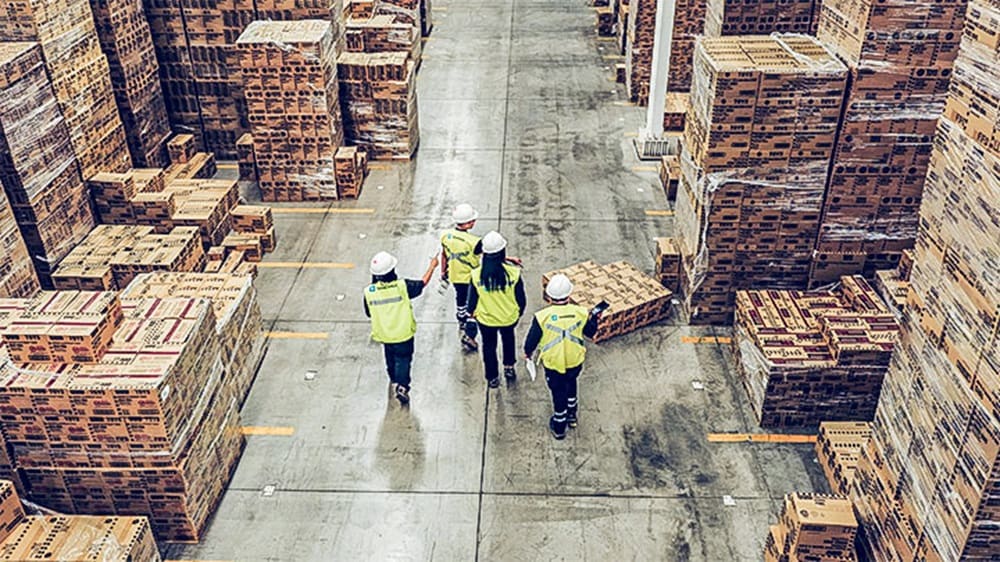
Women employees working inside warehouse

Human rights

Maersk is committed to respecting human rights, in line with the UN Guiding Principles on Business and Human Rights and as a long-standing signatory to the UN Global Compact.

Why human rights matters

Our conduct – in our own business and through our business relationships across our value chain – has the potential to impact society, both positively and negatively. Our recognition of this is closely connected to our purpose: “Improving life for all by integrating the world”. Increasing regulation and stakeholder expectations relating to human rights also confirm that this is an area where Maersk can and should take active responsibility.

Many of our ESG commitments touch on human rights: from our actions on climate change and supply chain sustainability, to the way we use data and build and recycle our vessels. Human rights perspectives inform and guide several categories in our ESG strategy and governance approach.

Our ambition

We continue to align our business practices with the UN Guiding Principles on Business and Human Rights and ensure that human rights considerations are integrated into our due diligence processes and ESG governance mechanisms.
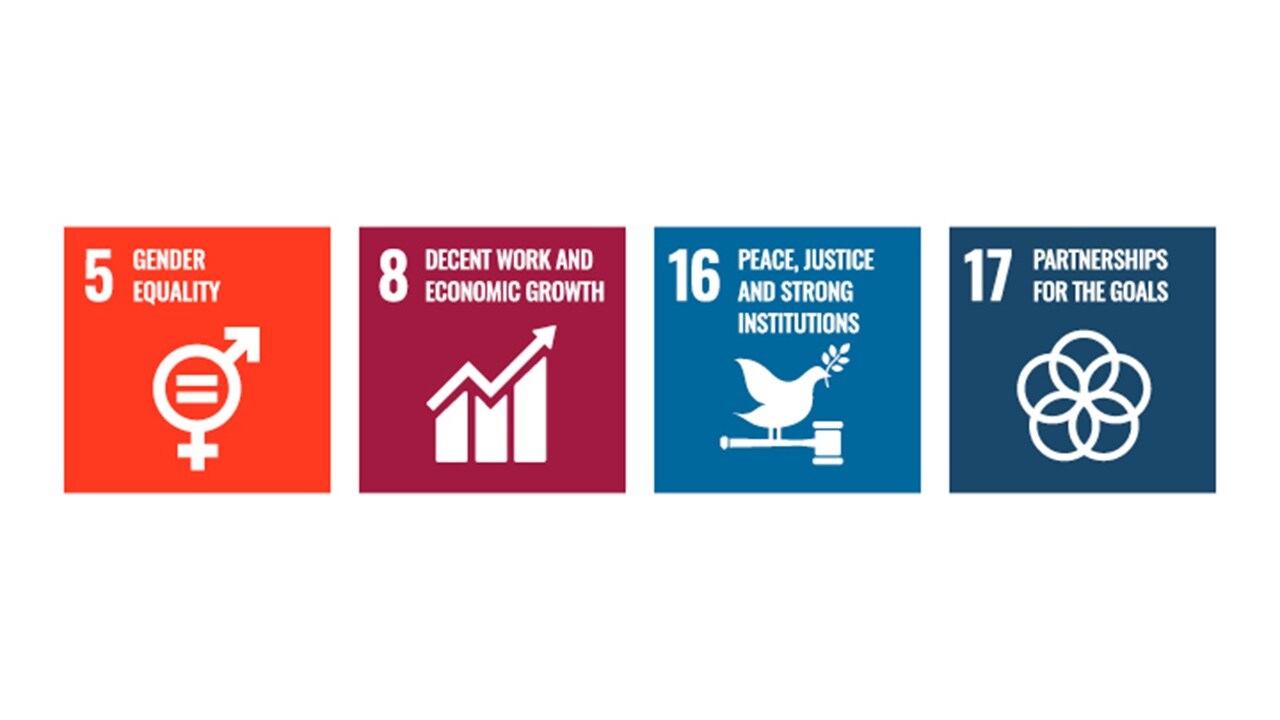
Human rights

Priorities and actions

Strengthening internal capabilities, building risk-based due diligence processes, engaging with stakeholders and embedding human rights in our core governance frameworks are all priorities in the way we work with human rights at Maersk.
Global consulting pictogram

Governance

Building a strong human rights governance structure is a priority as we prepare for increased regulatory requirements. Regular updates on human rights are provided to Maersk’s Executive Leadership Team, as set out in our ESG governance framework. The responsibility for managing particular human rights-related issues lies with the respective functions with support from various internal governance fora.

Smarter operations

Maersk Human Rights Policy

Maersk's Human Rights Policy Statement outlines our commitment to respect human rights based on international standards, and is complemented by our Employee and Supplier Codes of Conduct.

Additionally, Maersk reports annually on how we identify, avoid, and mitigate modern slavery risks in the APMM Modern Slavery Statement.

Manages risk and unpredictability

Determining our key risks

We conduct human rights assessments to understand our potential and actual human rights risks and impacts in our operations and value chain, and to prioritise our mitigation efforts. Our periodic Corporate Human Rights assessments, conducted by external experts using the UN Guiding Principles on Business and Human Rights methodology, also informs the annual double materiality assessment. Our five prioritised human rights issues are:

Our prioritised salient human rights impacts are:

  • Working conditions in the supply chain
  • Health and safety in the supply chain
  • Violence and harassment at work 
  • Access to remedy
  • Impacts of climate change and decarbonisation (just transition)

We continue to define action plans and prioritise areas for action based on our risk assessments. Our progress is communicated on our website, in our annual Sustainability Statement and our annual Modern Slavery Statements.

Agile pictogram

Our stakeholders

Our affected stakeholders are individuals whose rights could be directly impacted by our company – and include vulnerable groups at higher risk of impacts. We have identified the following affected stakeholders:
  • Direct employees (permanent and temporary) across all operations, including seafarers.
  • Third party contractors and indirect employees (including third party labour working on Maersk ships or sites).
  • Supply chain workers (including suppliers' employees working outside of Maersk sites).
  • Local communities near Maersk operations and supply chain, including those potentially impacted by infrastructure developments (including terminals and shipping routes), environmental damage caused by shipping and logistics (including pollution from fuel or abandoned containers), waste, and supply chain material or goods production activities.
Strategy compliance

Access to remedy

Access to remedy is a salient human rights issue and a focus area for Maersk, and we are committed to ensuring our stakeholders have access to grievance and remedy. We provide grievance mechanisms to our employees and other parties who want to voice their concerns about our practices and have them addressed.

The Maersk Whistleblower System is a confidential channel administered by an independent company through which anyone can raise concerns about suspected serious violations of laws, including human rights and labour rights.

The Maersk Ombudsperson is a neutral, independent, informal and 100% confidential function that serves our employees when they do not feel comfortable reporting grievances to human resources departments, line managers or through the Whistleblower System.

We continuously work to strengthen these mechanisms to provide even better protection for everyone affected by our activities. Every report and complaint is handled with care and treated as a valuable input that motivates us to critically evaluate our processes and policies and improve them if necessary.

Maersk is committed to provide remedy where it has caused or contributed to an adverse negative impact, including related to human rights and we continue working towards strengthening processes towards providing remedy to stakeholders.

International Expertise

Maersk Human Rights Due Diligence

We are committed to respecting human rights across our operations and value chain in line with the UN Guiding Principles on Business & Human Rights, the OECD Guidelines for Multinational Enterprises on Responsible Business Conduct, and the UN Global Compact.

Our risk-based approach to human rights due diligence combines standalone human rights assessments plus integrating human rights into existing due diligence processes. The Corporate sustainability function centrally governs human rights due diligence and acts as business and human rights advisors to the business, whilst managing salient risks is anchored within relevant functions across the organisation.

Annual Report 2025

Our sustainability performance is reported as an integrated part of Maersk's Annual Report. See the report for more information on our progress towards our environmental, social, and governance ambitions.
Annual report 2025

Learn more about Maersk

careers

Careers

Discover job vacancies, find out how to apply to them, and learn more about careers at Maersk.
Thumb check

Follow us on LinkedIn

Always stay up to date with current and new opportunities which could be your perfect fit.
Our global brand

About us

Find out more about who we are and what we do.