Is your supply chain ready for Carbon Border Adjustment Mechanism?
 LinkedIn
 Facebook
 X.com
X.com
 WeChat
 Email
Email

As the European Union continues its efforts to reduce greenhouse gas emissions by at least 55% by 2030, and aims to achieve "climate neutrality" by 2050, new regulations affecting transport, industry, and production, are coming into effect. EU members must now look into the impact of activities beyond their borders on their emissions.
What is Carbon Border Adjustment Mechanism?
The newest initiative, Carbon Border Adjustment Mechanism (CBAM), is a regulation that places a price on carbon intensive products, such as cement, iron and steel, aluminium, fertilisers, electricity, and hydrogen, imported into the European Union. With CBAM, the European Union aims to prevent carbon leakage, which occurs when companies move their production to countries with less stringent climate policies or when EU products are replaced by more carbon-intensive imports.
Given that the production of these materials primarily happens outside of the EU – in 2021, top five exporters of cement worldwide were countries outside of the EU – it’s important to account for their emissions in the context of country where these materials are used. Iron, steel, and cement industries alone contribute to approximately 10% of global greenhouse gas emissions, underscoring their significance in reducing emissions in the EU and beyond.
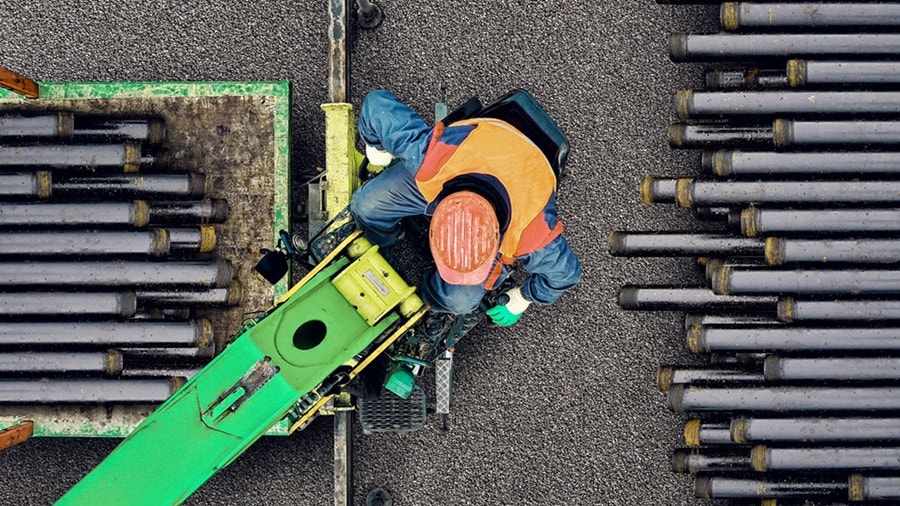
EU importers of cement, iron and steel, aluminium, fertilisers, electricity, and hydrogen, will need to look into the greenhouse gas emissions embedded in their imports, as CBAM will enter into a transitional phase as of 1 October 2023. The transitional phase will require only reporting of the emissions, with full implementation of CBAM expected on 1 January 2026. The emission data needs to be collected from suppliers, combined into a report, and submitted to the CBAM Transitional Registry. The reporting will need to be done quarterly, with the first reports to be submitted on 31 January 2024.
But CBAM is not just about the import data, the importers will rely a lot on the information given by their suppliers, and depending on the data received, it can be complex to ensure that the correct data is submitted to the EU during the transition period.
How can businesses ensure CBAM compliance?
The first step to ensuring compliance with any regulation is to examine the businesses’ supply chain and identify the origins and suppliers of products that will be affected. Visibility and transparency of the supply chain are key as incorrect reporting during the transition period can have negative consequences such as financial penalties or difficulties in obtaining the CBAM authorisation that is needed for the full implementation. To become familiar with the CBAM process and reporting, it is necessary to have close relationships and discussions with suppliers to help ensure their awareness of CBAM and the exact data they need to provide, as well as setting up internal systems and expertise that include data gathering, reporting, and standard operating procedures.
We often see that not every business has internal expertise and processes in place to tackle new regulations, which can prove critical when non-compliance can lead to delays in import, and consequently, production. Our customers choose to outsource their customs procedures to Maersk Customs Services because it allows them to focus on their core activities, while making sure customs procedures run smoothly and support their business, instead of being a hurdle.
Working with a trusted customs partner can help take the burden of staying on top of CBAM away from the business. At Maersk Customs Services, we support businesses with assessing whether the products are in scope of CBAM, identifying relevant suppliers and engaging them to get the data needed to stay compliant. Our customs consultants can recommend internal processes for your business to facilitate compliance with CBAM, and support in reporting to the CBAM Transitional Registry.
To find out more about Maersk Customs Services, click here or get in touch with our team.
Anything you need, we’re here to help

Logistics services

Contact us

Ready to ship?
I agree to receive logistics related news and marketing updates by email, phone, messaging services (e.g. WhatsApp) and other digital platforms, including but not limited to social media (e.g., LinkedIn) from A. P. Moller-Maersk and its affiliated companies (see latest company overview). I understand that I can opt out of such Maersk communications at any time by clicking the unsubscribe link. To see how we use your personal data, please read our Privacy Notification.
By completing this form, you confirm that you agree to the use of your personal data by Maersk as described in our Privacy Notification.