Exploring the sustainable future of e-commerce logistics
 LinkedIn
 Facebook
 X.com
X.com
 WeChat
 Email
Email
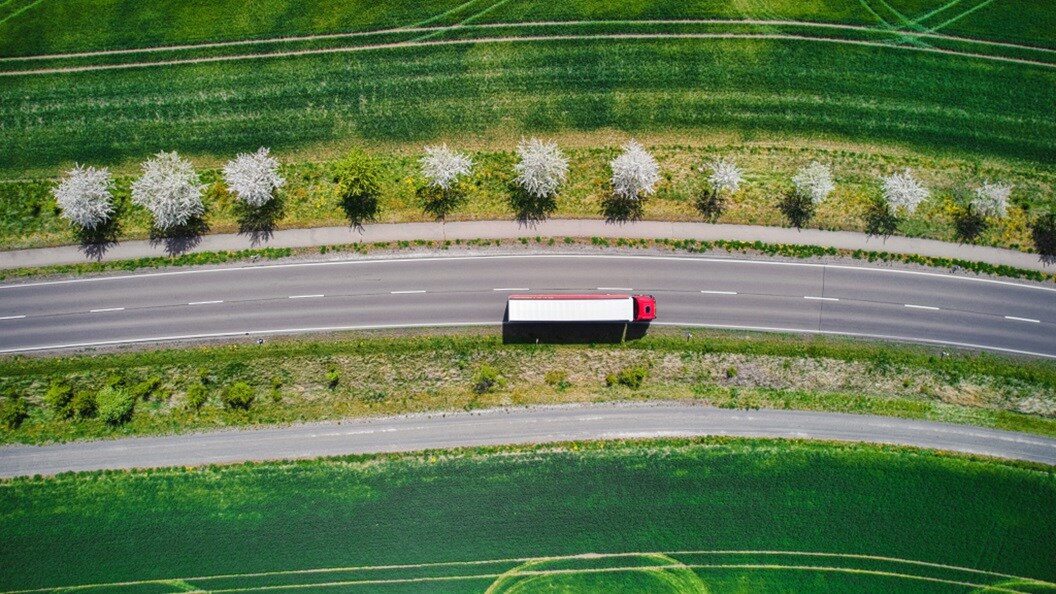
Supply chains generate around 60% of all carbon emissions globally. For e-commerce retailers looking to reduce their impact, it’s an obvious and crucial place to start. Whether legislative or political, brand, stakeholder or consumer-driven, there’s pressure from all sides for e-commerce businesses to improve sustainability across the supply chain. Put simply, the stakes couldn’t be higher.
Here, we look at some of the sustainability challenges facing the e-commerce market and how retailers can make smarter decisions to overcome them.
Establishing end-to-end visibility
Scope 3 emissions are proving to be a challenge to most. Scope 3 emissions are not produced by the company itself and are not the result of activities from assets owned or controlled by the company. Instead, they come from suppliers and/or other partners up and down the value chain, leading to little or no control. The less control you have over how emissions occur, the more complex it is to collect, calculate and manage the necessary data for emissions reporting. According to Accenture, only 16% of global businesses are able to do so at an advanced level.
But end-to-end visibility is vital to prove sustainability progress and find new opportunities to deliver impact. Picking the right technologies is key.
E-commerce retailers need digital tools that can talk to each other, offering seamless visibility all the way from ‘factory to sofa’. Easy to say, difficult to achieve. Measuring Scope 1 and Scope 2 emissions is relatively straightforward but having visibility across the whole value chain often relies on factors out of your control. Alongside the right tech then, businesses need to choose partners across the whole ecosystem who are equally committed to transparency — reporting and monitoring sustainable performance accurately and regularly, aligned with science-based emissions targets and the UN’s Sustainable Development Goals.
Cutting emissions over the last mile
Last-mile delivery accounts for 25-30% of emissions in towns and cities globally, and it’s also one of the most expensive parts of the supply chain. The challenge here is to improve sustainability without driving up prices.
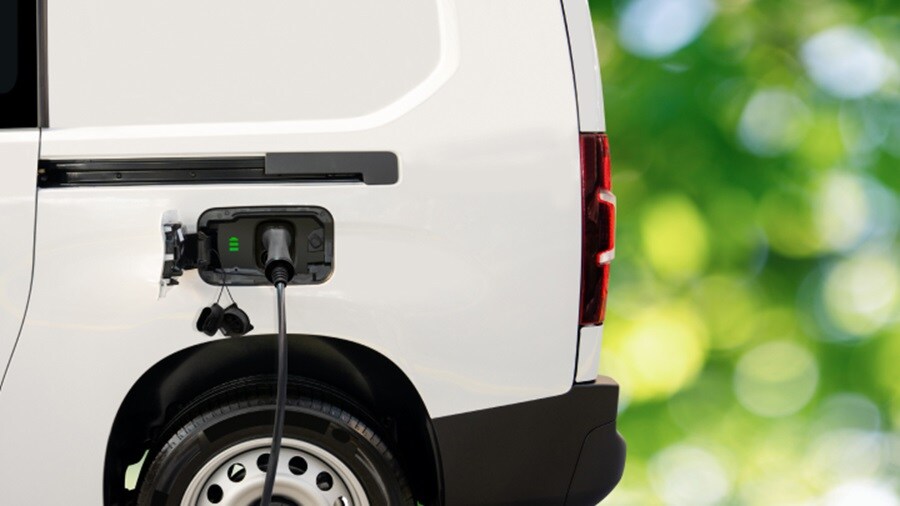
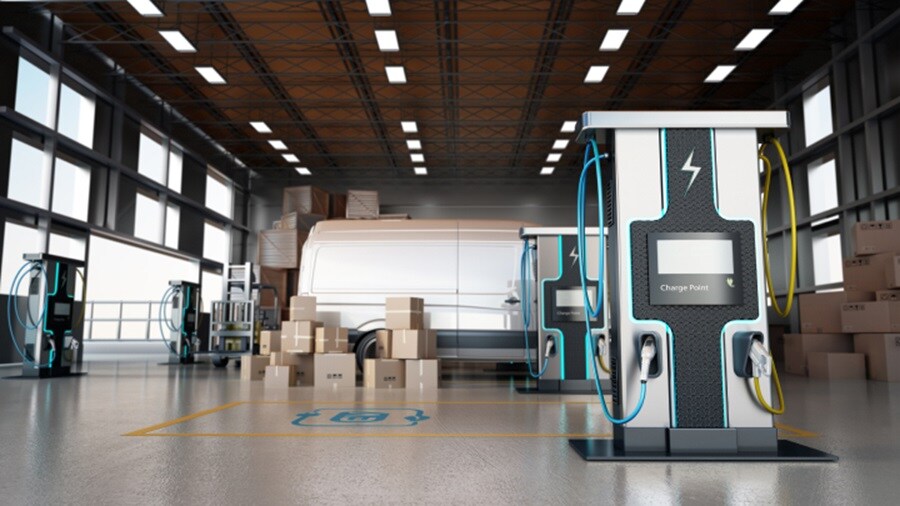
Switching to electric delivery vehicles or cargo bikes can enable e-commerce businesses to reduce emissions straight away.
With 84% of global consumers saying they’re more inclined to buy from a brand whose values align with their own, switching to greener alternatives for last-mile delivery sends a clear message that, as a retailer, you’re putting sustainability first.
Beyond the mode of transport, though, there are other ways businesses can drive efficiency and reduce emissions.
Out-of-home delivery methods deserve attention, given they can be up to five times more efficient per route than home deliveries.
Pick Up Drop Off (PUDO) locations, where parcels are collected and returned at central collection points, can cut transport-related emissions from the last mile, increasing efficiency and lowering carrier rates. This is, undoubtedly, a win-win. It reduces a retailer’s Scope 3 emissions and helps them appeal to the sustainability-minded consumer, especially if they pass the reduced carrier rate savings on to the customer. The question isn’t so much whether you should offer PUDO locations, it’s how much you can increase their adoption rates.

Adhering to current EU guidance
If no action is taken by 2050, the European Environment Agency expects global logistics to produce 40% of emissions (compared to 24% today). This is why, since 5 January 2023, they’ve enforced the Corporate Sustainability Reporting Directive.
The directive means, among other things, adopting science-based targets and reporting, setting clear sustainable policies and the application of a double materiality lens in reporting on both, how sustainability matters affect their business and the external impacts of the company’s activities on people and the environment.
It also means aligning business models and strategies with the objective to achieve climate neutrality by 2050.
To do this will require significant internal decision-making about processes, reporting and strategies. It demands a review of the people you work with, their commitment to your goals and a shared vision of what a sustainable future could and should be. Companies in the e-commerce industry that act on this imperative sooner will place themselves in the best position for continued growth.
In a world where 72% of consumers are committed to responsible consumption and 87% want brands to act now to encourage future sustainability, it’s vital that e-commerce retailers focus on sustainable performance. It’s one demand of many, of course — agility, demand forecasting and scalability are all on the agenda too. But without a focus on the planet as well as profit, the future we’re trying to prepare for will be more challenging than we can imagine.
The practical steps outlined in this article might seem daunting or too expensive. However, at Maersk, our integrated logistics offerings and carrier-agnostic logistics capabilities are already set up and ready to use, which makes the transition smoother and more manageable. If you’re ready to talk about taking these steps, click here, and one of our experts will call you.
Anything you need, we’re here to help

Logistics services

Contact us

Ready to ship?
I agree to receive logistics related news and marketing updates by email, phone, messaging services (e.g. WhatsApp) and other digital platforms, including but not limited to social media (e.g., LinkedIn) from A. P. Moller-Maersk and its affiliated companies (see latest company overview). I understand that I can opt out of such Maersk communications at any time by clicking the unsubscribe link. To see how we use your personal data, please read our Privacy Notification.
By completing this form, you confirm that you agree to the use of your personal data by Maersk as described in our Privacy Notification.