LinkedIn
 Facebook
 X.com
X.com
 WeChat
 Email
Email
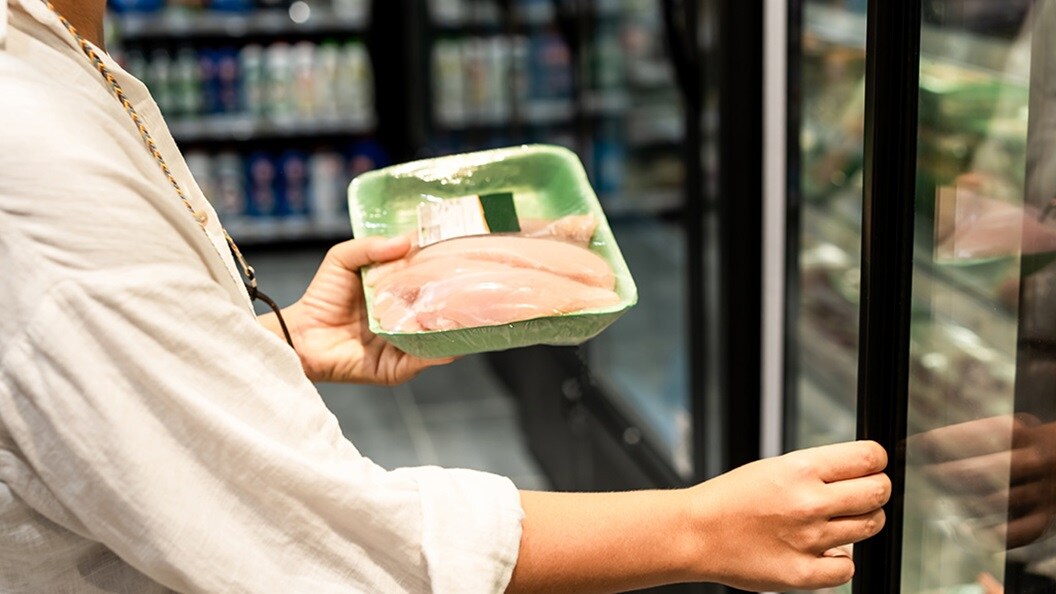
When thinking about the dynamics that define the protein trade, chicken meat is certainly one of the strongest commodity that continuously shift and adapt to new demands. According to where people sit in the world, chicken meat may signify something different to each. It may paint a picture in mind of a specific part of the animal that is considered crucial in their local cuisine.
The part of the animal that is used, determines the logistic trade lanes associated with it. When looking at a chicken body, for instance, there is the neck, the breast, the back wing, the leg (drumstick), the thigh and the paws. Typically, in Europe and in the US most of the population consumes the white or breast meat of chicken (delicious in this countries but for instance not preferred in Japan as a cheap and tasteless cut) and the chicken wings or legs. Chicken feet are not as consumed in the Western world but are a delicacy in the Caribbean, China and Vietnam. The neck is served in various Asian dishes and the meat on the back is usually traded to countries in the Caribbean, particularly Jamaica. These differences in consumption and cuisine are dictating the demand and the trade directions across the globe, between exporters and consumers. The parts of the animal that don’t initially find a place to be traded to are still used as pet food and therefore populate this secondary use trade with different destinations.
Global protein dynamics and protein demand
Today, the poultry trade is highly dynamic. Constant changes in availability, determined by DNA sequencing, hatchability rates and the health of the animals. The market is also driven in all directions by global disruptions, political or medical (such as the ever present highly pathogenic avian influenza) causing certain destinations to be banned or difficult to reach.
While the US has historically been a dominant poultry exporter, Brazil has consolidated its position as the global leader, capturing most of the growth in global trade since 2018. For all markets, the COVID19 pandemic has caused prices to go up for chicken and pork meat and since then a higher inflation has flipped changing buying behaviours. Exports for the US have therefore shrunk, influencing the food service and restaurants industry as well, influencing their offering, with the largest poultry protein exporter currently changing to the country of Brazil, as shown by Statista in 2025. In addition to their successful refrigerated cargo trade of red meat, fruit and vegetables, now poultry is being exported in high amounts.
On the other side, for a long time China has been the highest net importer of poultry - particularly from the US. The consistent growth of China’s domestic poultry production, which is gradually shifting its role from a predominantly import-driven market to a more balanced player, increasingly participating in exports of selected cuts such as chicken breast. Import leadership has become significantly more fragmented compared to the past, when China and Japan dominated global poultry demand.
Today, demand is distributed across a broader set of key regions, with China and Japan still playing central roles, but increasingly complemented by the Middle East, Mexico, and high-growth markets in South and Southeast Asia, such as the Philippines, which are emerging as critical demand hubs driven by population growth and limited domestic production
What are the major protein market trends in 2026?
To better gear up against the continuous change, we asked poultry protein industry experts to highlight the top trends within this space.
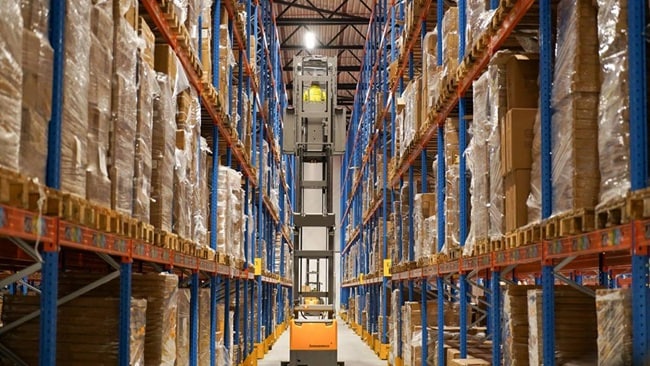
- Protein, the hot new buzzword: While time ago “sugar free” was all the rage, currently the buzzword taking space in the food industry is “protein”, sparking supermarket offers and celebrity collaborations that promise protein-filled food items that will satisfy your craves but ensure you get the right amount of said nutrient (e.g. protein shakes, protein popcorns, etc.). This trend is pushing for strong exports and the consequent building of related cold stores facilities, options to blast freeze at a facility, and more.
- HPAI epidemics: an unfortunately well-known disease in this industry, highly pathogenic avian influenza that often plagues this industry is still affecting exporters in many countries, making it difficult for many to source this protein nearby.
- Growing human population: despite certain area of the world where the population is shrinking, certain areas like West Africa and Asia are still growing, opening new market opportunity for customers that need to protein-rich food. With some of these countries struggling for space or the right infrastructure to grow animals, there are still opportunities for exporters to permeate these markets.
- Geopolitical and logistics disruptions:reshaping global protein flows. The poultry trade, as other proteins and commodities, is increasingly influenced by global logistics constraints and geopolitical tensions. Key disruptions such as instability in the Red Sea, ongoing Panama Canal capacity limitations, and the continued impact of the Ukraine war on feed supply chains are reshaping how and where poultry moves across the world. These factors are not only affecting trade routes but also introducing structural volatility into the market. Rising freight rates, longer and less predictable transit times, and constrained availability of refrigerated reefer equipment are becoming critical challenges for exporters. As a result, supply chains are forced to adapt, with greater emphasis on flexibility, route optimization, and stronger integration across logistics networks.
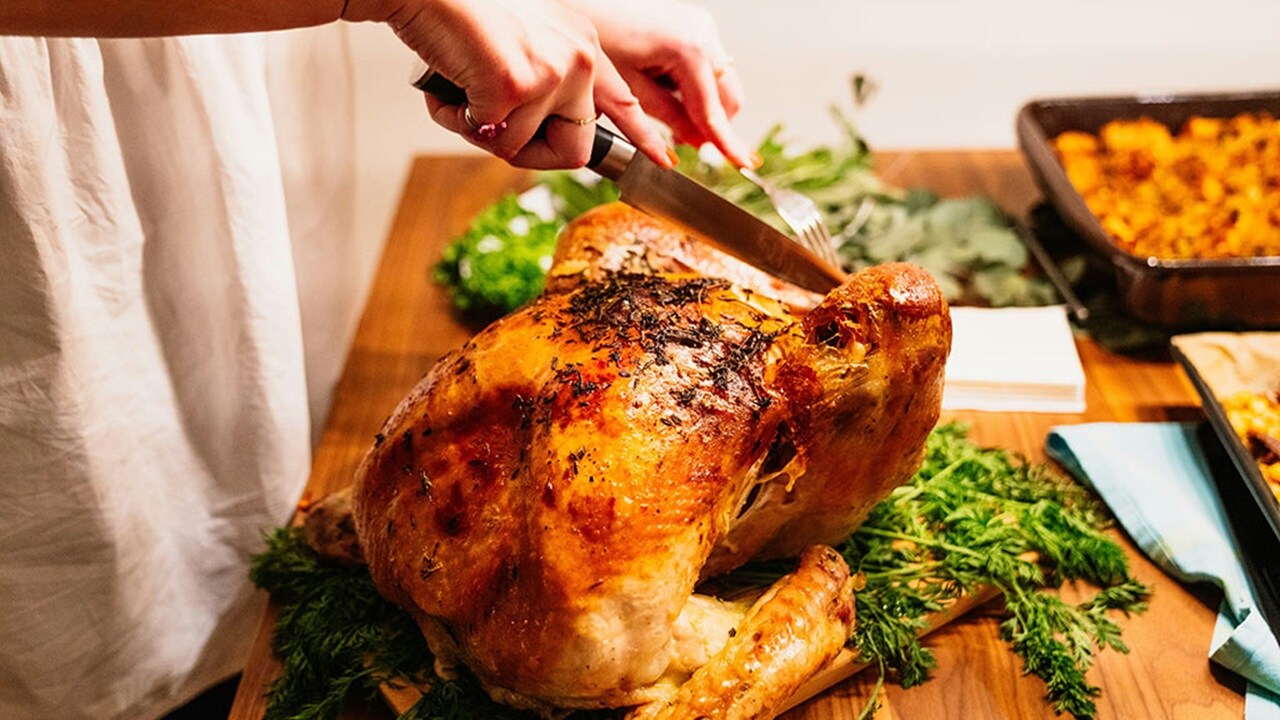
Poultry protein trade insights for the future
As purchasing power keep lowering, poultry reveals itself as a commodity that survives the trends, keeping its cost low and feeding protein to the growing world population. But what are the needs? What can businesses do to survive in the near future?
In this environment, partnerships are becoming more critical than ever. Ensuring continuity of production flows and maintaining reliable delivery to end customers despite disruptions requires not only assets, but coordination, expertise, and trust. A reliable logistics partner plays a pivotal role in bridging these challenges, supporting customers with resilient cold chain solutions (like store at destination) and enabling stability in an increasingly volatile market.
Based on the above-mentioned trends, the main needs for players in this business are space availability, flexibility and logistics partners that have a good understanding to support as the market dynamics keep changing. On the latter, Lauren Gaines, Client Manager, Reefer Frozen Cargo at Maersk, says: “Long-standing relationships across cold storage facilities, trucking providers, and ocean carriers often operate in silos, creating challenges for shippers. A strong logistics partner can serve as the bridge, bringing together the right assets with deep industry expertise to create alignment across the supply chain. By helping poultry exporters navigate change, solve complex logistics challenges, and unlock access to new markets, the right partner enables companies not only to sustain their business, but to grow it”. Logistics providers can support with dedicated people that understand this business and partner to support and understand this at times messy, dynamic protein market.
Conflicts, disruptions, etc. can put a strong hold on a business already struggling, so having a strong logistics insightful partner that understand their challenges and supports them from origin to destination is key.
Be ready for cold chain to go all the way! Learn more about cold chain logistics at Maersk and discover more trends on Maersk Logistics Insights.