
 LinkedIn
 Facebook
 X.com
X.com
 WeChat
 Email
Email
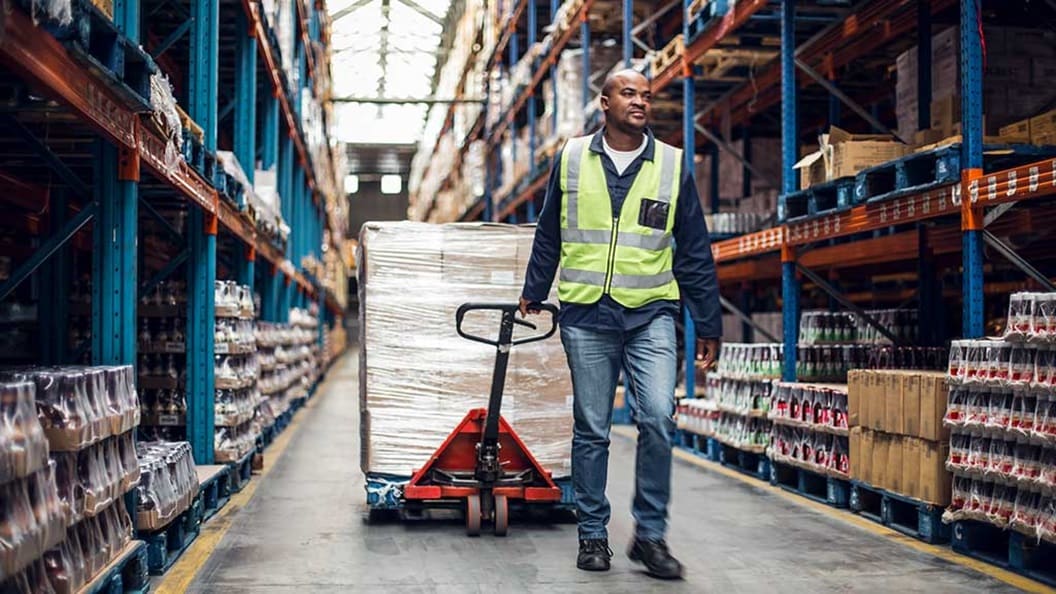
There is an old English adage that goes, “an apple a day, keeps the doctor away”. We believe the same can be said of warehouses, as we see them as an integral part of a strong, healthy supply chain.
Supply chain resilience has never been more prominent or needed, and whilst many may know warehouse management, not many understand just how warehousing and logistics can strengthen your business.
Warehouses – how they can help you
A global network of warehouses can cover services such as consolidation, deconsolidation, fulfilment, and distribution as well as container depots. The latest warehouses, utilising a hybrid system of automation, robotics and skilled teams of warehousing professionals can act as a key component in all supply chains. By utilising warehousing services, door-to-door logistics can be achieved; be it collecting, sorting, and moving products from or to warehouses (or elsewhere), as well as preparing and managing import & export shipping containers and ensuring the delivery ends up at its final destination.
Finding the right fit
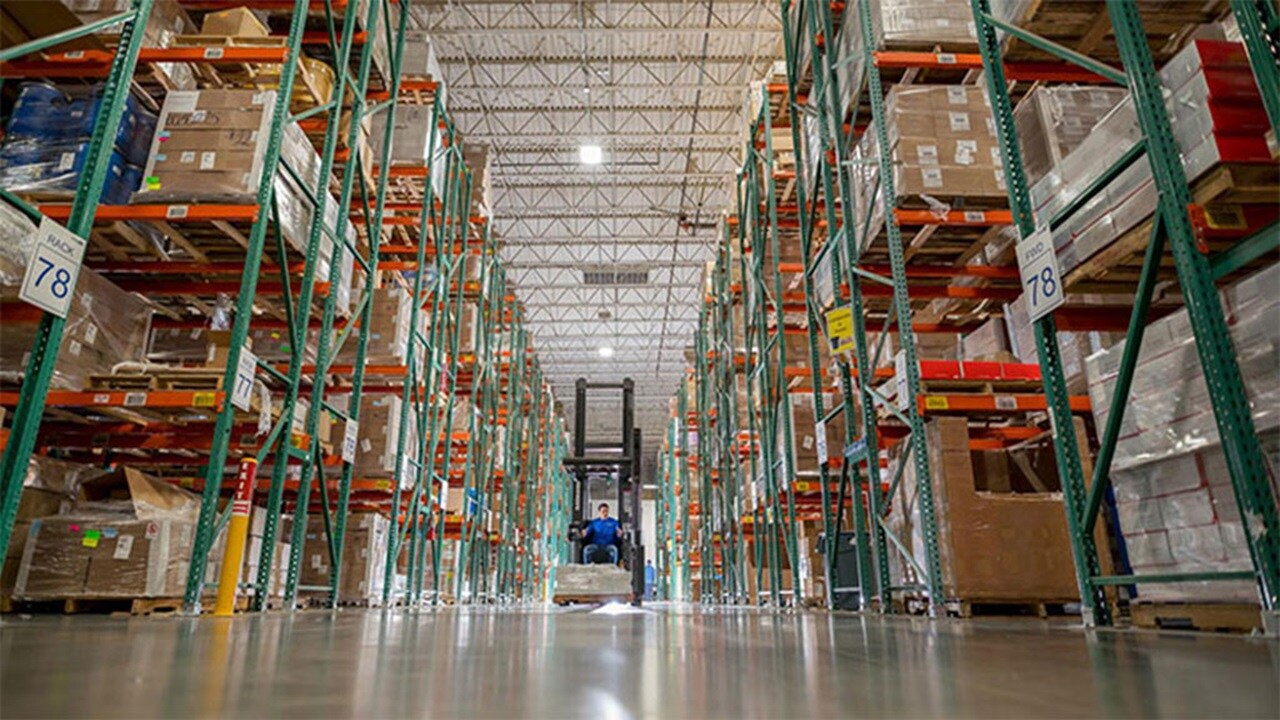
Today’s modern warehouses can be split into three main groups, each dedicated to meet certain needs.
- Consolidation centres connected to sourcing areas, combined materials and goods pre-export, help optimise landside and air movements, and ocean container loads.
- Deconsolidation centres are warehouses for cargo arriving to its destination market. Many of these warehouses are located close to key ocean ports, allowing for faster throughput of cargo, keeping the supply chain’s flow optimised.
- Fulfilment centres, where picking, packing and fulfilling orders can be done close to market, for both E-commerce and B2B orders. These facilities are normally supported by Warehouse & Inventory Management Systems, handling receipt, storage, pick and pack and order fulfilment.
The future of storage
By expanding and building upon a pre-existing network of warehouses, such as large anchor regional warehouses or on-demand access multi-customer facilities, warehouses should be available in all relevant locations to facilitate shorter supply chains. Through increasing the amount and locations of warehouses, businesses can have flexibility and benefit from shorter time to market, as products will be stored closer to customers and consumers.
Warehouse management can truly help businesses in responding to changing demand patterns, new business opportunities and/or enact cost-saving activities.
In these times of ever-changing needs, the right warehousing and integrated logistics partner is one that can offer a large, global network of warehouses distributed across the globe, to create greater and seamless end-to-end solutions.

取得產業內部人士的見解






您是否想隨時獲取未來產業趨勢的必修課?
您完成了,歡迎訂閱!
很抱歉,發送您的聯絡請求時發生問題。
請檢視表單欄位,並確保提供所有必要的正確資訊。若問題仍然存在,請聯絡我們的支援團隊尋求進一步協助。
您是否想隨時獲取未來產業趨勢的必修課?
透過在此表單註冊,您可直接在您的郵箱中接收我們的見解,踏入真正整合物流的世界。只要按幾下,您就可從我們為您量身訂製的文章中獲取靈感,並獲得相關業務見解。您可以隨時取消訂閱。