
 LinkedIn
 Facebook
 X.com
X.com
 WeChat
 Email
Email
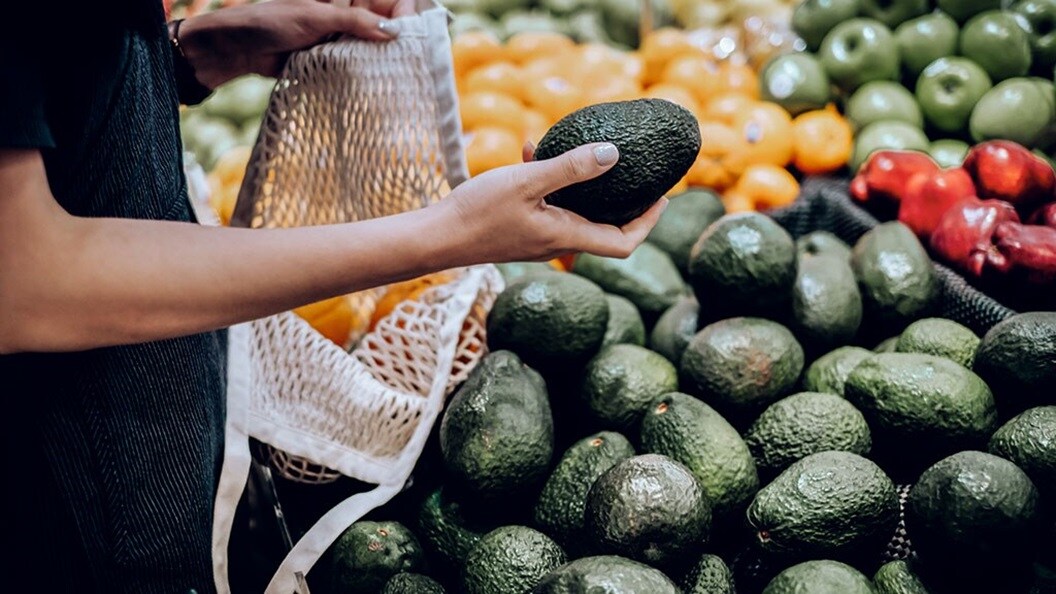
Grocery e-commerce logistics is growing, rapidly. Research by Technavio, a global market research firm, notes a boom in popularity and adoption of e-commerce platforms in grocery retail, one that is expected to result in a market growth of USD 800.000 billion from 2020 to 2025.
The growth of online grocery shopping makes sense. The past two years has presented many challenges to grocery retailers and consumers alike, with mandatory closings, limited store access, stock issues and delayed deliveries.
A Marriage of Convivence
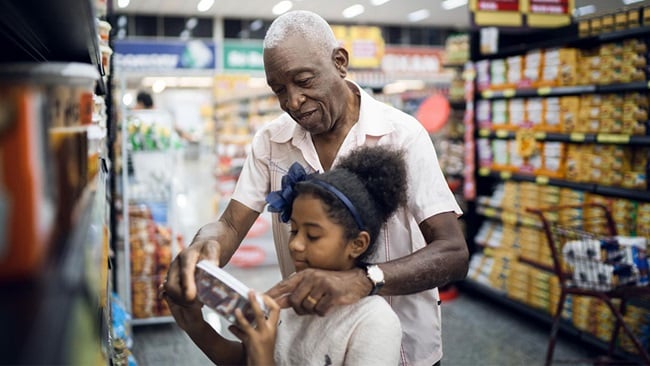
Globally, e-commerce has seen strong growth throughout the pandemic and its aftermath. This includes online grocery shopping and grocery home delivery. Experts predict that even when consumers can fully return to the in-store experience, most of the current growth in online retail, including grocery, will remain at above pre-pandemic levels. Coupled with the comfort and simplicity of simply being able to “click” your way to tomorrow’s dinner, it’s easy to see why so many that previously opted out of online shopping, are opting in. It’s convenient.
Hero Digital, a digital transformation company, echoes this sentiment in their report, The Consumer Goods Truth & Beauty Index, forecasting an expected 21% growth of e-commerce grocery sales for 2022. The report looks at the four generations – Gen Z, Millennials, Gen X and Baby Boomers – that have buying power, analysing each generation’s shopping experience.
The report finds that the unifier for all generations is that the shopping experience should be an easy one. Shoppers prefer trustworthy brands, “that make the shopping [experience] easy with both in-store interactions and online experiences".
Additionally, boomers, Gen X and Millennials all prize convenience, whilst Gen Z looks foremost for quality, rather than convenience. 43% of Millennials shop for their groceries online, and 50% of Gen Z consumers see “value and brand stature” as top customer experience attributes when recommending a business.
New Ways Forward
Services like click and collect (where customers order and pick up at the store), e-grocery delivery (services where others shop for you) and at home delivery options, have made it easier for consumers to access grocery shopping without leaving their homes. They’ve also made it clear that this new way of purchasing grocery items, is here to stay. Overall online grocery sales climbed 8% year on year in 2021, according to the retail and consumer goods analytics firm, 1010data, noting that supermarket chains like Aldi, Kroger and Publix were able to lift their online sales last year through such initiatives like InstaCart.
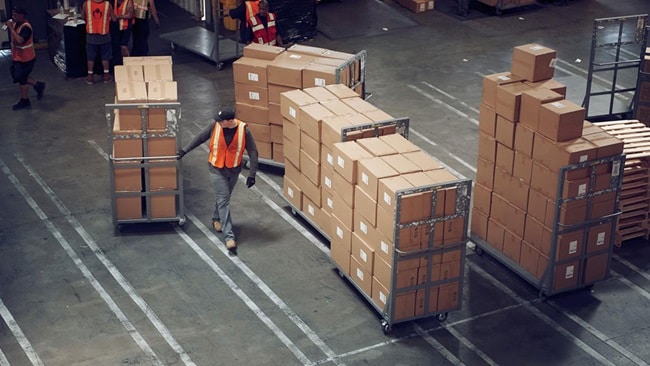
The rise of dark stores, physical retail spaces dedicated solely to fulfilling online orders, have increased in amount across America, and are expected to continue to pop up all over the world. Retail experts, such as Cambridge Retail Advisors, see this trend continuing, noting that though not caused by the pandemic, it has definitely been sped up by it. Dark stores are like mini-warehouses, acting as a new link between large-scale warehouses, grocery stores and consumers.

取得產業內部人士的見解
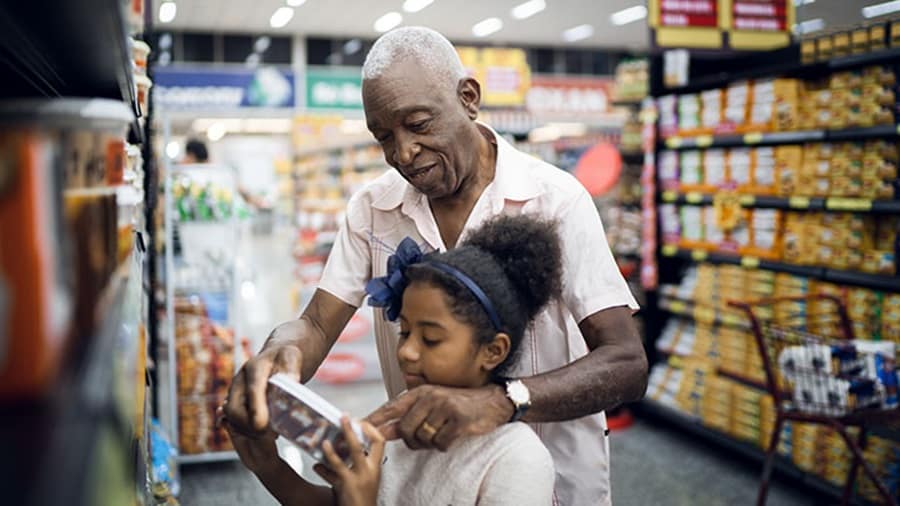
The future of eCommerce logistics is bright
So, what does this mean for the future of grocery retailers? Are physical grocery stores something of the past? And are dark stores negating the need for warehousing distribution?
Experts point to no. Whilst there is growth in e-commerce logistics within grocery retail, traditional grocery stores are here to stay. A future option could be hybrid versions, where customers can order much of their desired products, but can also roam aisles for select items, such as produce or deli meats.
Even before the pandemic hit, grocery stores faced capacity issues. Physical spaces can only handle so many customers, setting a clear threshold on profits overall. By utilising a combination of e-commerce logistics providers and physical stores, retailers can expand their customer offerings to more people. This allows smaller- and medium-sized retail brands to compete with industry juggernauts, as they can meet customers’ needs in the physical and digital realm. It also provides a clearer overview to better plan their supply chain, ensuring less waste.
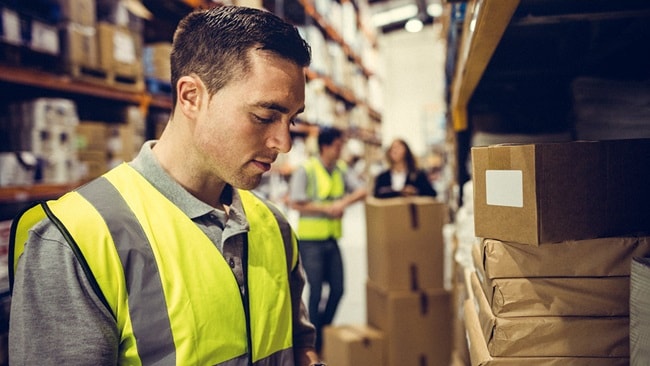
On whether dark stores are negating the need for warehouses, experts also point out that this is very unlikely. Even with expansion within dark stores, there is still a very strong need for warehousing options, with many companies looking to expand their near-sourcing options.
Whilst we can never know the future, hybrid e-commerce and in-store experiences may well be the future, allowing shoppers the freedom to experience the joy of scanning the shelves and the ease of finding products immediately online.







您是否想隨時獲取未來產業趨勢的必修課?
您完成了,歡迎訂閱!
很抱歉,發送您的聯絡請求時發生問題。
請檢視表單欄位,並確保提供所有必要的正確資訊。若問題仍然存在,請聯絡我們的支援團隊尋求進一步協助。
您是否想隨時獲取未來產業趨勢的必修課?
透過在此表單註冊,您可直接在您的郵箱中接收我們的見解,踏入真正整合物流的世界。只要按幾下,您就可從我們為您量身訂製的文章中獲取靈感,並獲得相關業務見解。您可以隨時取消訂閱。