
 LinkedIn
 Facebook
 X.com
X.com
 WeChat
 Email
Email
Environment and ecosystems
As active citizens of the Earth, we are committed to doing as little harm as possible while at the same time actively participating in restoring ocean and land health and resilience, as well as protecting animal habitats where we operate.
Understanding and managing our impact
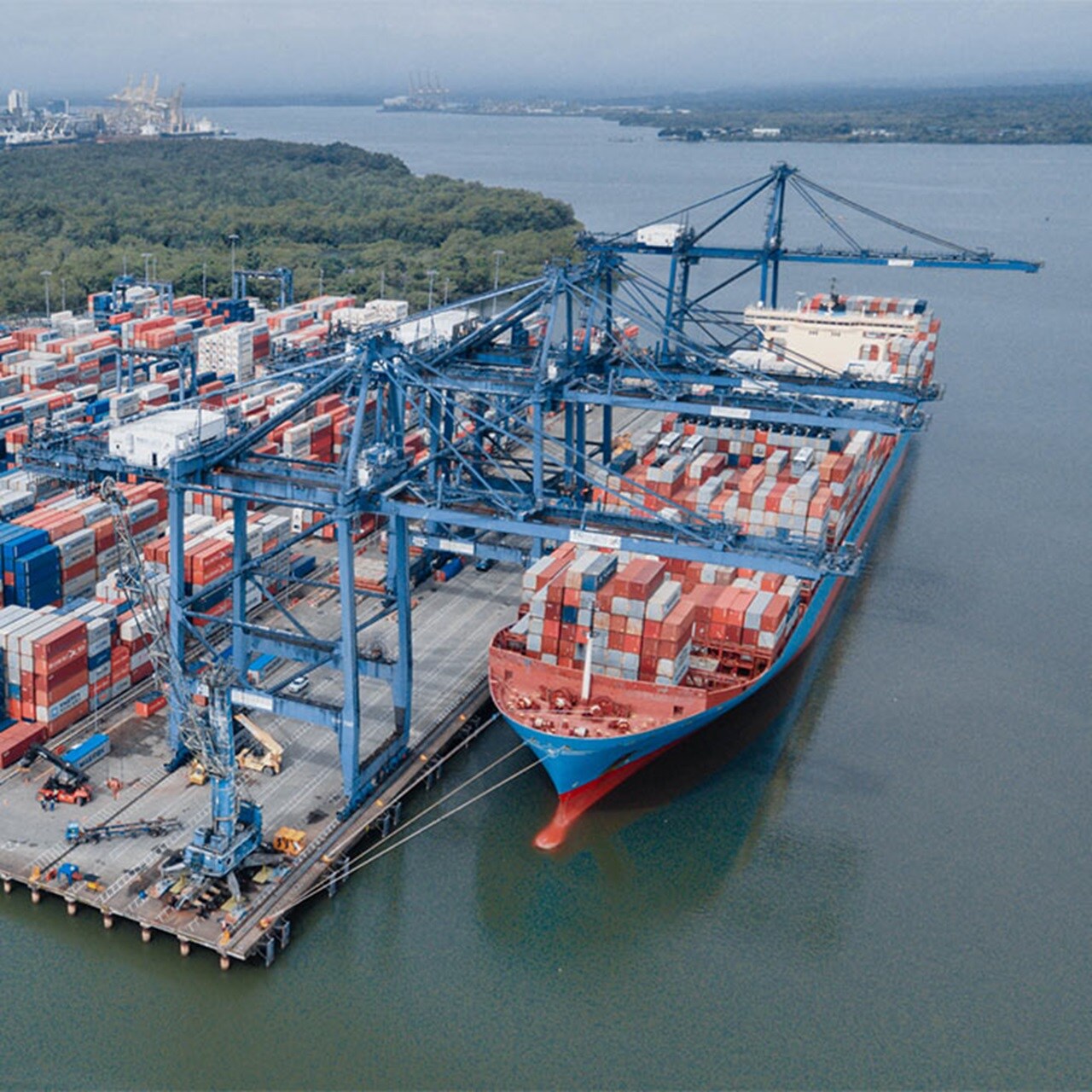
Our activities impact life on land and in oceans. The ships, trucks, trains, warehouses, depots and planes we use to store and move our customers’ goods impact the environment through resource use, land use change, disturbances, pollution and climate change, which in turn influences the living environments of ecosystems, biodiversity and humans.
Maersk is committed to conducting business safely and responsibly while minimising environmental impact and aligning our operations with local laws and regulations to ensure compliance with environmental requirements.
Our overall objective is to do as little harm as possible while safeguarding the environment, including protecting ecosystems and habitats where we operate.
Our target
Operate based on responsible business pratices with respect for human rights
|
Environment & Ecosystems
|
Spills and releases to the environment (>10m3)
|
APMM
|
2026
|
0 spills
|
|---|

Embedding our LEAP foundation and preparing for increased requirements
In 2026, Maersk will build on its 2025 groundwork in the Taskforce on Nature-related Financial Disclosure’s LEAP (Locate, Evaluate, Assess, Prepare) framework to embed the LEAP findings more deeply into our environmental management frameworks. The LEAP framework is the cornerstone of our approach to managing nature-related risks and strengthening environmental initiatives across our global operations. It is also how we align our actions with international standards and position Maersk to meet upcoming environmental, biodiversity, and supply chain accountability requirements.
Environmental and ecosystem management at Maersk spans multiple functions and business segments, and is supported by dedicated teams responsible for compliance and initiatives addressing the specific risks of each operation. These efforts often address interconnected environmental topics and create synergies with our energy transition and social responsibility objectives, particularly in areas such as responsible ship recycling and sourcing of critical resources, including steel and fuels.
Maersk’s Environment and Ecosystems approach focuses on four areas of material impacts:

Featured highlights and case stories
Ensuring robust environmental management systems
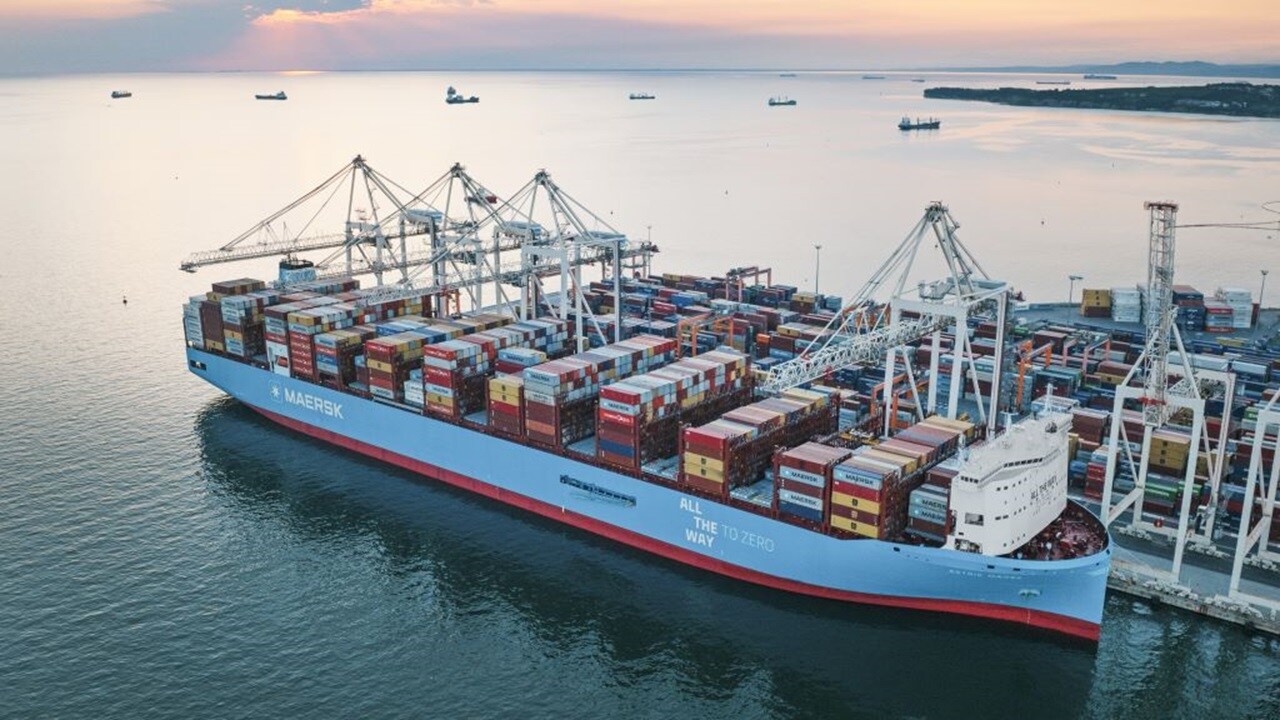
All of Maersk’s owned vessels are externally certified under the ISO 14001 environmental management standard. This ensures we meet established environmental requirements and are regularly audited by independent third parties, providing transparency to customers and stakeholders.
Protecting ocean life and habitats
In 2025, our Ocean segment contributed to the TNFD's new guidance for assessing material nature-related risks in the maritime sector. Trials using the new guidelines are underway and will continue into 2026. We also continued improving our StarConnect AI-powered fleet energy efficiency platform’s capabilities to monitor our presence in marine protected areas and particularly sensitive sea areas, integrating new updates to the World Shipping Council’s Whale Chart.
Supporting ocean and climate science
Maersk continues actively engage with regulators, states, shipping associations, scientific institutions, and NGOs in the development of Underwater Radiated Noise (URN) Management, in line with IMO guidelines. Furthermore, at the 2025 UN Ocean Conference (UNOC3), Maersk committed its entire operated fleet to the 10,000 Ships for the Ocean initiative, enabling our vessels to serve as voluntary observation stations. This allows us to provide real-time oceanographic data that supports improved climate models, maritime safety, and global ocean monitoring.
Annual Report 2025
Learn more about sustainability at Maersk


Learn more about Maersk

Careers

Follow us on LinkedIn
