
 LinkedIn
 Facebook
 X.com
X.com
 WeChat
 Email
Email
Our levers, priorities and realities
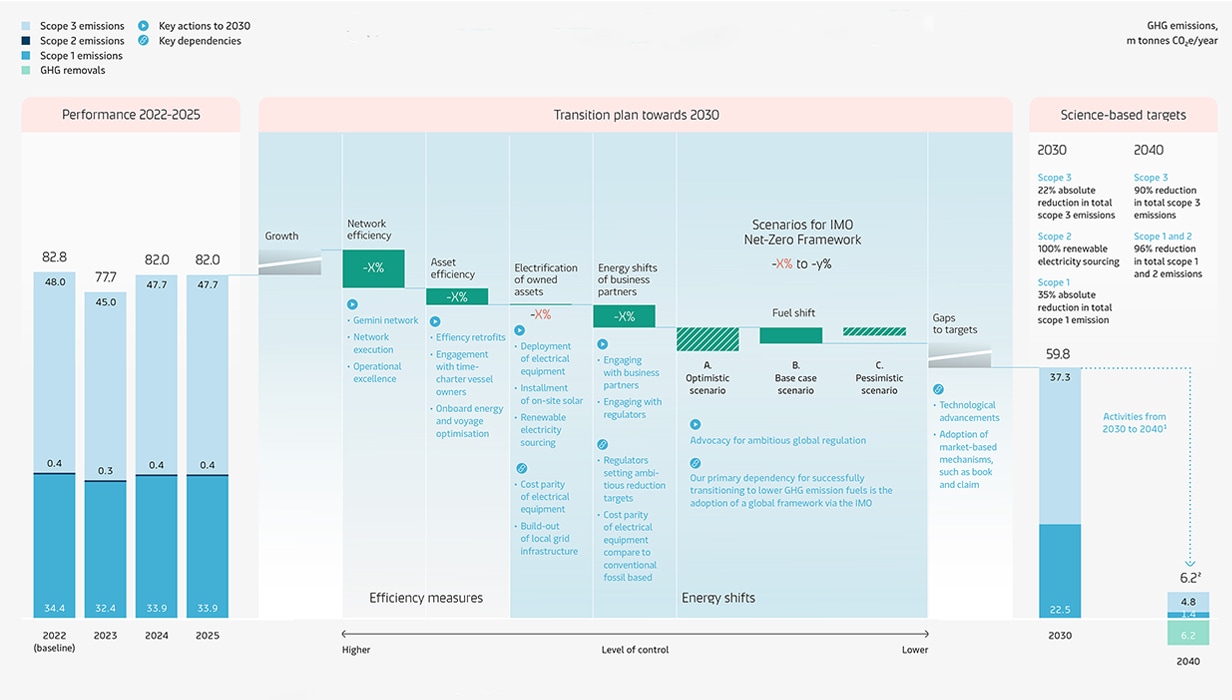
Our climate transition plan outlines the levers and scenarios to reach our science-based commitments towards 2030, taking into consideration key uncertainties and complexities.
The plan encompasses two fundamental decarbonisation drivers – energy efficiency measures and energy shifts. Within energy efficiency, the levers focus on improving the efficiency of our network and assets - our largest contributors of shorter-term emissions reductions and areas where we have the greatest operational control
Efficiency measures are delivering significant progress; however, they are only part of the equation and will not be sufficient on their own to reach net-zero emissions by 2040. The other critical decarbonisation driver is energy shifts: fuel shifts, electrification of our own assets, and energy shifts of our business partners.
Energy shifts have greater dependencies, from the need for global fuel regulations to local dependencies such as our ability to purchase renewable energy or electric truck services. Maersk’s overall approach is to act where we have operational control and can make the largest impact, and to partner, advocate and collaborate where we have external dependencies. With our current climate transition trajectory, we are aware that we have gaps, and we depend on certain external factors – most significantly the right regulatory frameworks - for successfully reaching our near-term 2030 climate targets.
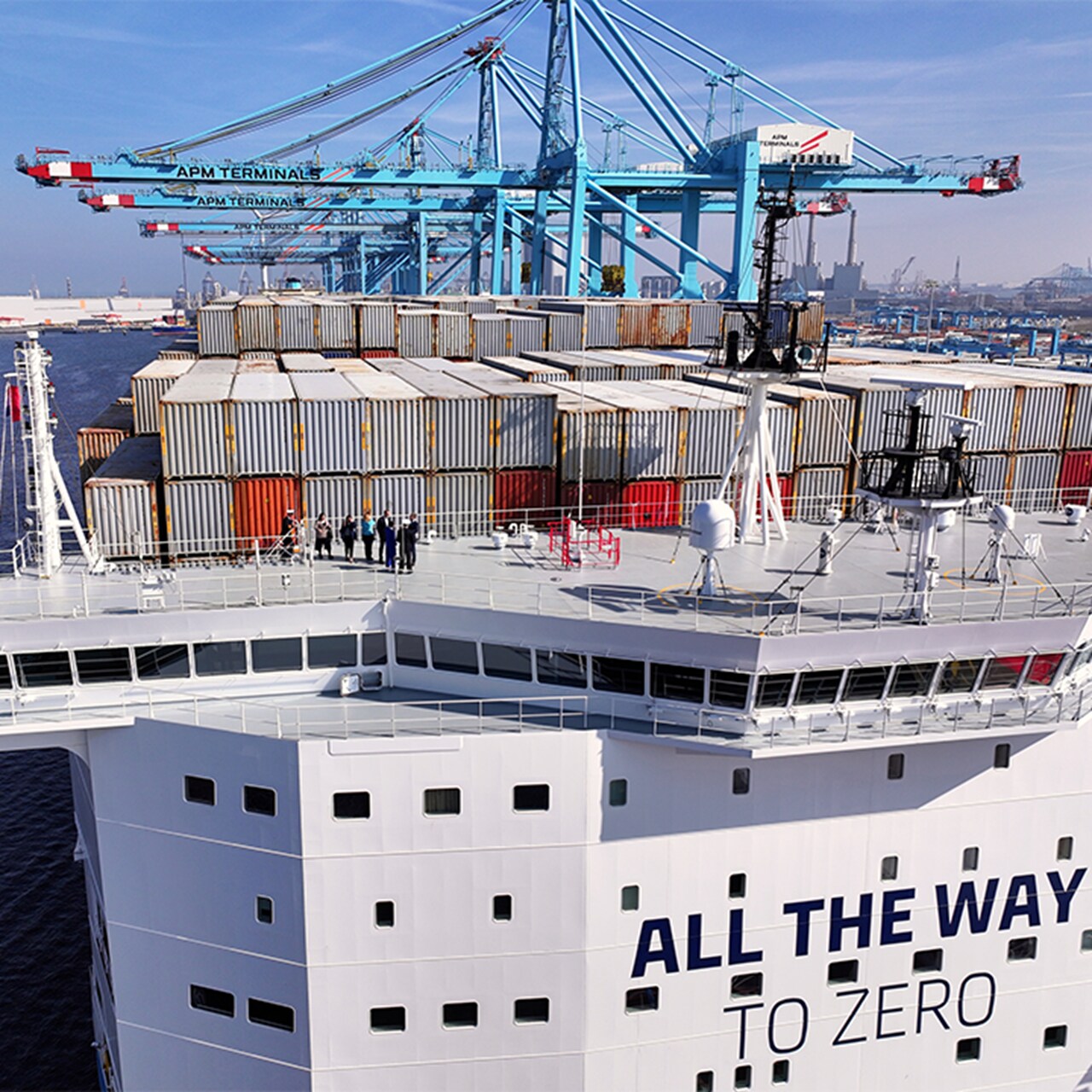
Our decabonisation drivers
Efficiency measures
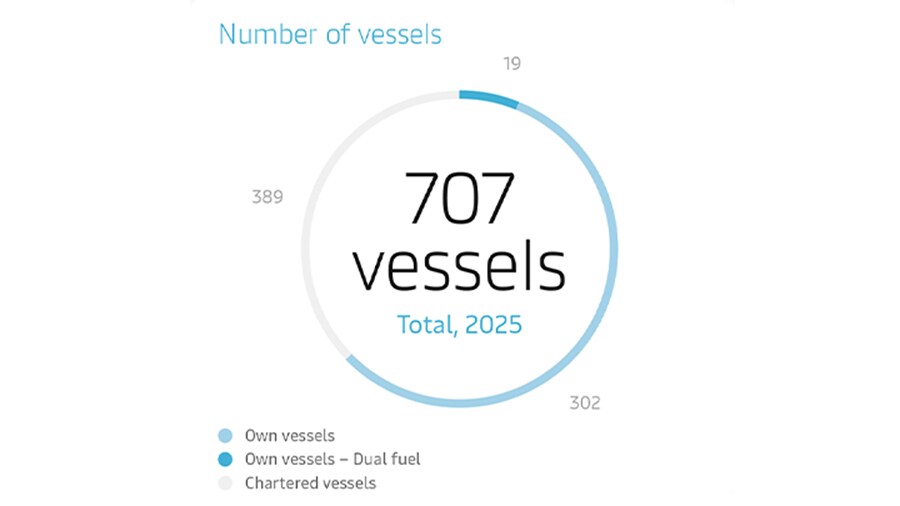
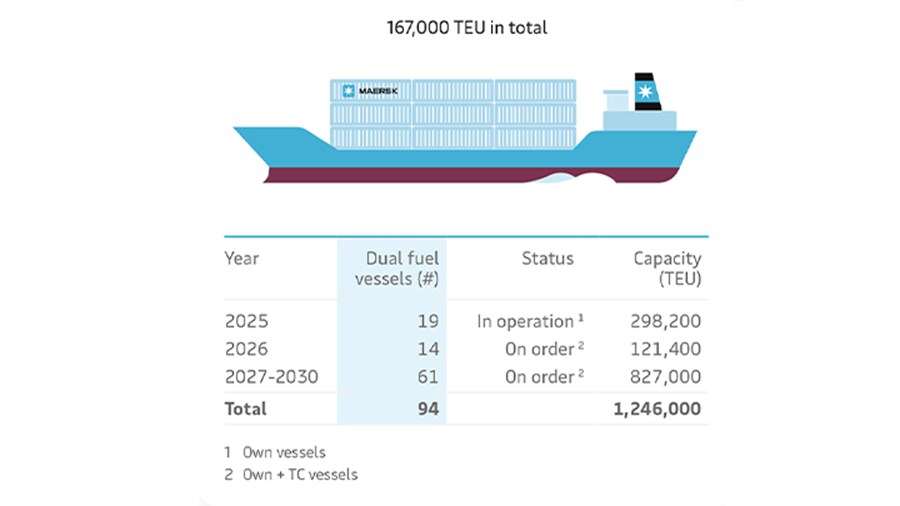
Maersk's climate transition plan
To view this chart in detail and for further explanations of our climate transition plan, please see page 64 of the Sustainability Statement in our 2025 Annual Report.
Energy shifts
The second part of our transition plan is shifting energy consumption to lower GHG emission fuels with lower climate impact. In our Ocean business, this includes securing and switching to new fuels like biodiesel, e- and bio-methanol and liquefied biomethane.
In Logistics & Services and Terminals, we switch from using fossil fuel-powered trucks, warehouse vehicles and terminal container handling equipment to electric alternatives. This shift also includes the use of renewable electricity to reduce scope 2 emissions.
Annual Report 2025
Learn more about sustainability at Maersk

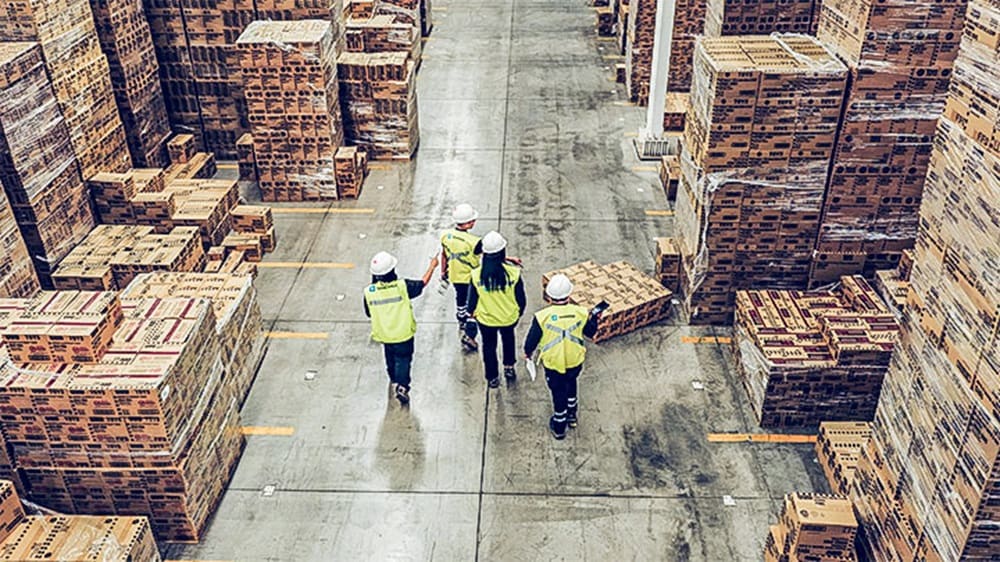


Learn more about Maersk

Careers

Follow us on LinkedIn
