
 LinkedIn
 Facebook
 X.com
X.com
 WeChat
 Email
Email
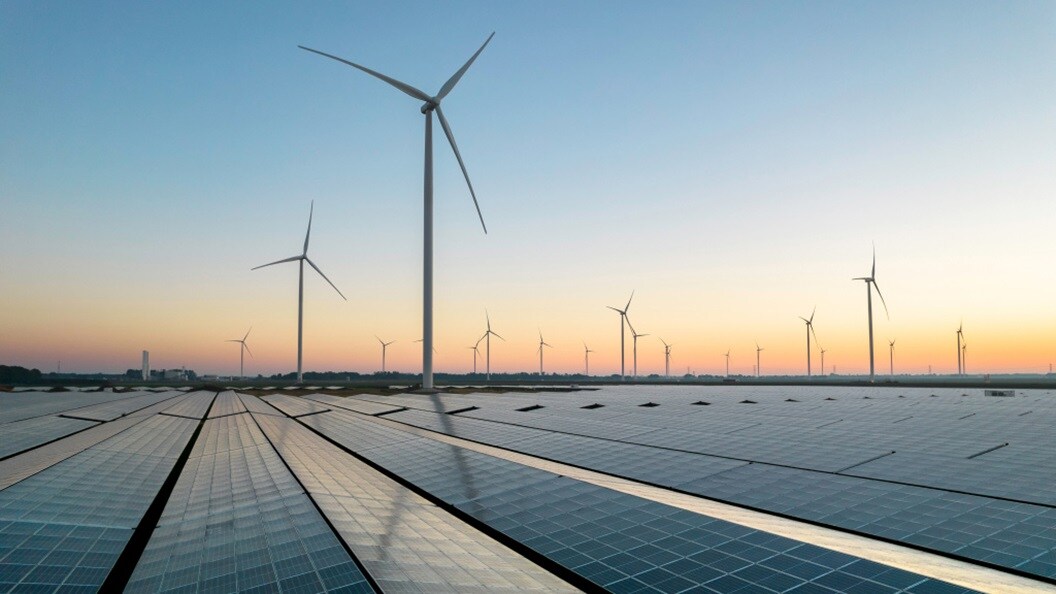
Close collaboration between a business and its supply chain and logistics partners is desirable in any industry. For the renewable energy sector, it is a must-have.
In our new global survey of 500 business executives in the technology sector, 65% of renewable energy businesses say that collaboration with partners is essential to resolve long-term supply chain and logistics challenges. This is more than in any other sector.

Renewable energy only works with collaboration
Why is collaboration so crucial in this sector? First, for some types of renewable energy projects, supply chains need to be built from scratch. The UK’s offshore wind sector, for example, is characterised by a relatively small number of huge projects that often need billions of dollars in investment. So businesses in the supply chain can be reluctant to build up capacity until they know that a project is going to go ahead. Close collaboration helps here by giving the supply chain visibility on the likelihood of a project moving forward.
Second, innovation is fundamental to the renewable energy sector. It is constantly trying to reduce costs so it can depend less on government support, and it will only manage this if the entire supply chain focuses on efficiency and cost control.
Third, renewables businesses tend to want to decrease their greenhouse gas (GHG) emissions, which is only possible with the support of supply chain partners. “As a renewable energy business, we naturally want to be sustainable,” explains Michael Koralewski, Chief Supply Chain Officer at US solar module manufacturer First Solar. “Part of that is decarbonising our operations, but it also involves sourcing responsibly from suppliers – ensuring, for example, that they recycle as much as possible and are mindful of their climate footprint. You can’t achieve any of this without working closely with suppliers.”
Finally, renewables businesses are always in lobbying mode. For their projects to be viable, they have to justify governments’ financial support – and make sure it continues. Depending on the sub-sector and location, supply chains of renewable energy projects can contribute tens of thousands of jobs. So advocacy can be persuasive if businesses do it in collaboration with their supply chain partners.

How to build a strategic relationship with suppliers
But many renewable energy businesses do not have collaborative relationships with their supply chains. Almost half (45%) say their partners are solely focused on servicing their current needs rather than innovating for the future. And just four in 10 say their partners’ services have evolved significantly in the past five years. This needs to change, but how?
Check in on strategy, regularly
The first step is for employees at every level to communicate regularly and directly with suppliers. Supply chain leaders should speak to suppliers’ commercial teams; technical specialists should discuss the potential for product innovations; and senior executives – including the CEO and the board – should discuss how their strategy is changing with their suppliers’ senior management.
Big businesses that have hundreds of suppliers will only manage this by establishing a formal engagement strategy. This is exactly what Siemens Energy has done.
“We’ve developed a robust supplier relationship management programme in which our top 200 suppliers have an executive sponsor that is responsible for fostering that relationship,” says Arnd Hirschberg, Chief Procurement Officer at Siemens Energy. “They meet their designated supplier in person regularly to discuss strategy.”
Raise awareness
This only works in practice if everyone who communicates with partners is fully aware of business strategy. But supply chain leaders and executive management communicate regularly at only 22% of renewables businesses, which suggests that many could be uninformed about strategy.
Sharpen skills
Supply chain teams will need to sharpen their collaboration and communication skills. But our survey data indicates that this is not a priority: just 23% of renewables businesses are prioritising collaboration and communication skills – fewer than in any other technology sector. This may need to be reconsidered to ensure supply chain teams have the soft skills needed to build long-lasting relationships with suppliers.
Stabilise the supplier base
Lastly, stability is critical. Efforts to build strategic relationships will collapse if businesses repeatedly switch suppliers to chase better prices. “It’s critical to find partners that can work with you for the long term,” says Koralewski. “We have long-term supplier relations that we've built over years. Obviously, we find new ones on an ongoing basis as we've grown to ensure continuity of supply. But our desire is to be a partner of choice to our customers, and we want to be the same thing for our supply base.”
The government needs to act as convener
In renewables sub-sectors, huge sums need to be invested in the supply chain. So it is up to governments to bring together developers and the supply chain to discuss plans for new projects.
“There’s a chicken-and-egg situation with offshore wind supply chains,” explains Emma Harrick, Head of Energy Transition and Supply Chain at Scottish Renewables, which represents the industry in Scotland. “The supply chain wants to invest in scaling capacity, but it needs assurances that projects will take place before it does so. At the same time, project developers want confidence that the supply chain is there to fulfil their project. In Scotland, the Strategic Investment Model, which is a collaboration between the public and private sector, tries to resolve this by improving visibility of planned investments.”
There is power in proximity
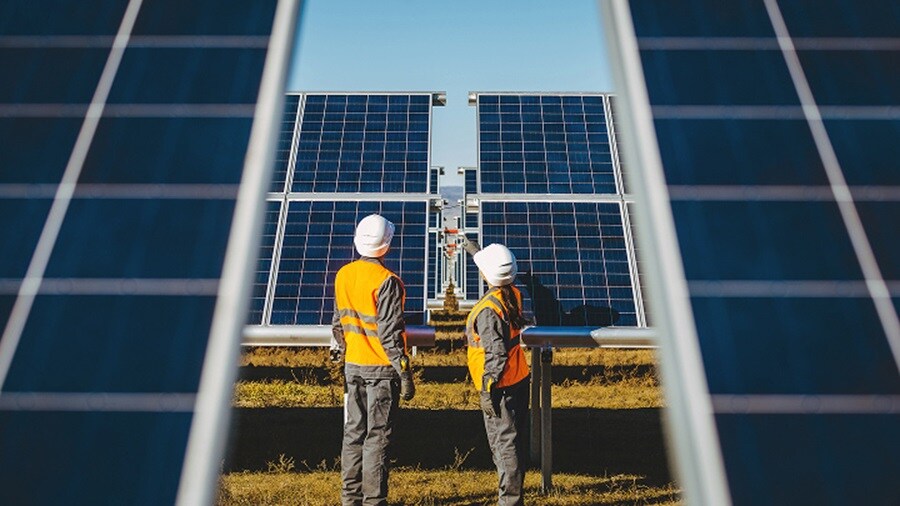
If a business is located physically close to suppliers, it can help build even stronger relationships. This often happens naturally in the renewable energy sector because of local content requirements, which stipulate that projects use locally produced equipment.
Proximity can also help renewable energy businesses and their suppliers to act as a team to persuade policymakers to support the sector. “When you are located near your suppliers, you can engage more effectively with policymakers,” says Koralewski. “Because we’re not just engaging as First Solar, but as a collective of businesses that jointly employ tens of thousands of people.”
Renewable energy businesses know they need to build long-term, strategic relationships with their suppliers. If they can start communicating more and prioritising supplier longevity, these businesses and their suppliers will make a formidable team.
For a deeper dive into the full research and actionable strategies, download the complete report - Be ready to build people-driven supply chains.

About FT Longitude
FT Longitude is a specialist thought leadership agency, owned by the Financial Times, working with a wide range of the world’s most prestigious B2B brands across Europe, the US and Asia-Pacific. FT Longitude’s 80+ clients are concentrated in the professional services, financial services, and technology sectors, but also stretch into energy, infrastructure, manufacturing and other industries. Headquartered in London, the company was founded in 2011 and was selected as one of Chief Marketer 200, Top Marketing Agencies of 2020, an Inc. 5000 Europe in 2018, an FT 1000 company in 2017, and a 2016 Leap 100 high growth UK company by City A.M. and Mishcon de Reya. It is led by founders Rob Mitchell (CEO), James Watson (COO) and Gareth Lofthouse (Chief Revenue Officer). For more information: visit longitude.ft.com.

Obtenha informações de um especialista do setor
How can you be ready for anything?
Instability is on the rise, causing logistics to feel the pressure of the constant disruptions. Is your business resilient enough? Do you know what it takes to build resilient supply chains in today's world?
Learn how Maersk can help with logistics resilience.









Deseja se manter atualizado sobre as próximas tendências indispensáveis do setor?
Você conseguiu! Bem-vindo(a) a bordo!
Ocorreu um problema no envio de sua solicitação de contato.
Revise os campos do formulário e certifique-se que todas as informações necessárias foram corretamente fornecidas. Se o problema persistir, entre em contato com nossa equipe de suporte para obter mais assistência.
Deseja se manter atualizado sobre as próximas tendências indispensáveis do setor?
Receba nossos insights diretamente em seu e-mail inscrevendo-se por meio deste formulário e descubra um mundo de logística verdadeiramente integrada. Inspire-se com nossa seleção de artigos personalizados e conheça mais insights pertinentes de negócios com apenas alguns cliques. Você pode cancelar sua inscrição a qualquer momento.
I agree to receive logistics related news and marketing updates by email, phone, messaging services (e.g. WhatsApp) and other digital platforms, including but not limited to social media (e.g., LinkedIn) from A. P. Moller-Maersk and its affiliated companies (see latest company overview). I understand that I can opt out of such Maersk communications at any time by clicking the unsubscribe link. To see how we use your personal data, please read our Privacy Notification.
By completing this form, you confirm that you agree to the use of your personal data by Maersk as described in our Privacy Notification.