
 LinkedIn
 Facebook
 X.com
X.com
 WeChat
 Email
Email
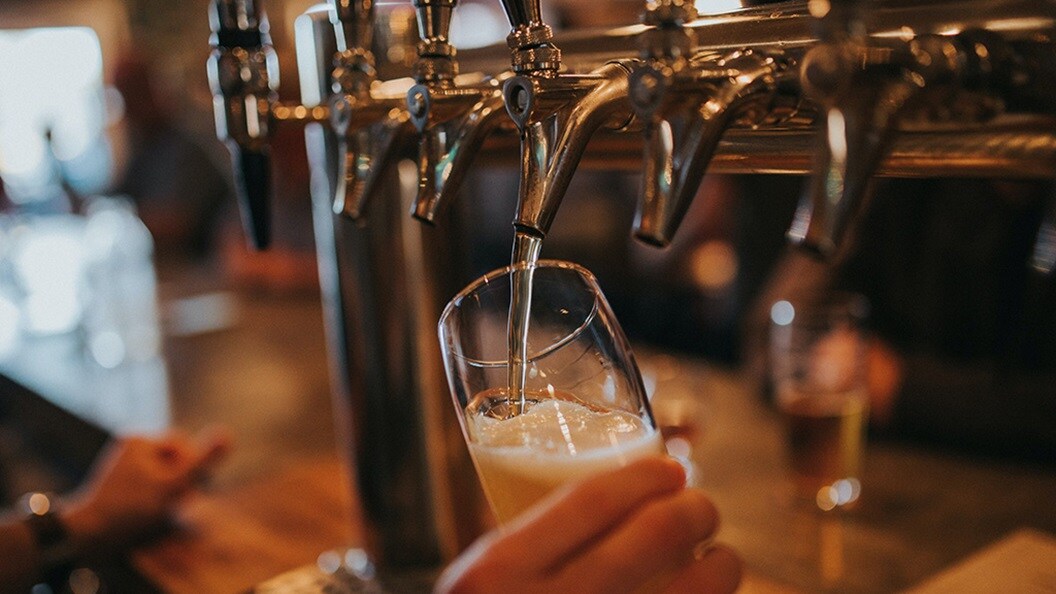
How would you describe the ideal beer? If you asked a dozen different people, you’d likely get a dozen different answers, with just one common qualifier: “it has to be cold”. Indeed, that may be the only universal truth when it comes to beer consumption today, given the significant changes the industry has seen over the past two decades. Generational tastes and updated consumer habits, due to the pandemic, mean that beer companies have had to retool in order to meet the demands of their constantly evolving and diversifying market.
Today’s customer behaviour
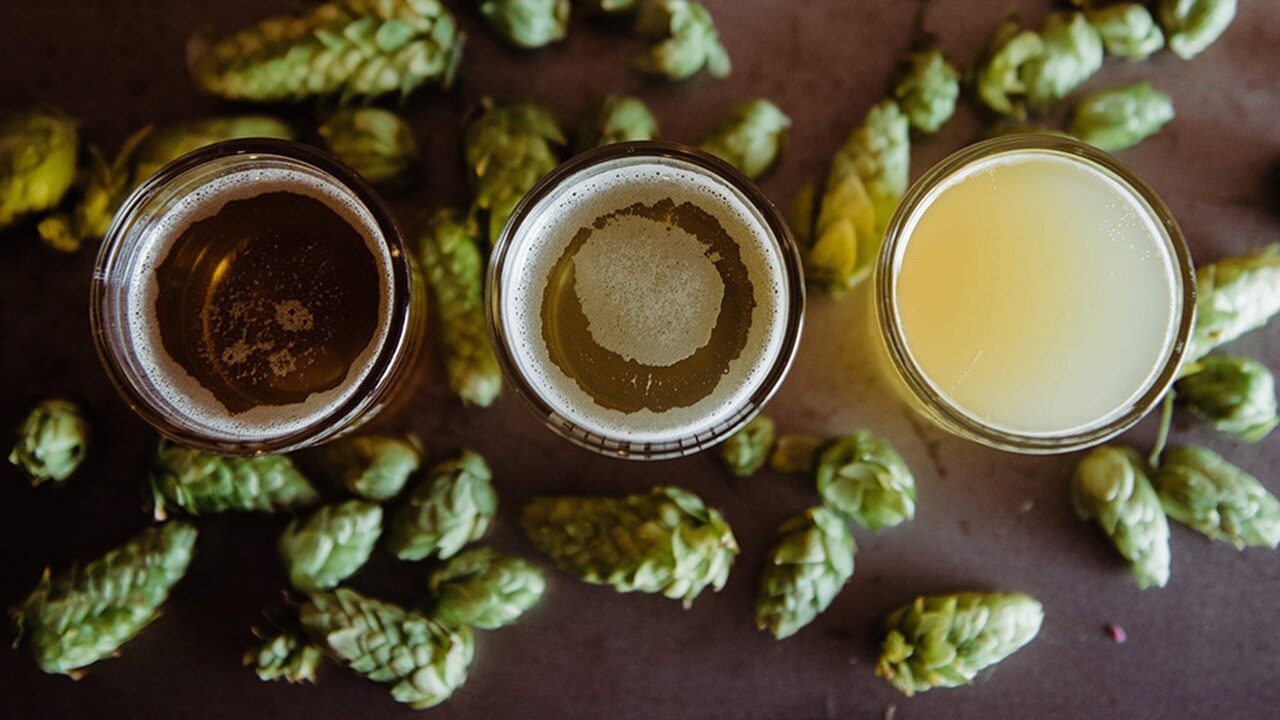
Beer consumption isn’t quite what it once was, and this has significantly altered the landscape of the industry. One of the most notable recent changes is in the preferences of younger consumers - classic beer variants like lagers and pilsners simply don’t cut it for them. This has spurred greater innovation among larger beer brands, leading them to branch out into craft beers and microbrews – premium products that their audience wants and is willing to pay for.
The main challenge lies in striking the right balance between a more diverse portfolio for a new generation of consumers and ensuring there’s no compromise on the strength of their flagship ‘legacy’ products.
Modern-day health trends have a role to play as well. There is a growing market for non-alcoholic beer, which can frequently command entirely different marketing and sales channels, which companies need to adjust to. The COVID-19 pandemic has also naturally had a tremendous impact on consumer habits. With restaurants and bars being out of bounds for much of the last 14 months, alcohol sales have moved online, and as a result, e-tailers are trying to pick up the slack wherever they can. However, there is a belief that beer is likely to reclaim its previous social position once the pandemic will end entirely.
The impact on the beer supply chain
The changing patterns in consumer behaviour have understandably impacted the beer supply chain. Potential sales channels have splintered, and this has created different sales requirements to help meet the growing demands of a varied customer base. As a result, there are numerous challenges that companies must contend with:
- Lack of visibility
The eclectic nature of the consumer market has had a noticeable impact on the supply chain. For instance, while bars and restaurants may need kegs or barrels, beer needs to be bottled, packaged, and labelled appropriately for the retail shelves. This disparity in distribution can lead to significant complexities in processes, hampering the overall end-to-end visibility of cargo. - Information gaps
Accuracy of data is vital to any solid supply chain, but without the right infrastructure, there is always the risk of gaps appearing in the system. This may be due to legacy systems or manual processes that could result in input errors. Harnessing the right technology is essential to ensure these gaps are sealed, enabling a seamless flow of information from start to finish. - Increased competition
The surge in popularity of new-age products like microbrews, craft and non-alcoholic beers has created a different and more diverse range of requirements for companies. This can make it that much more difficult to consolidate logistics processes in a highly competitive market, leading to inefficiencies in the overall setup, while also driving up costs at various phases of the supply chain. - Capturing a diverse market
In this digital age of disruption, agility and precision take on greater importance than ever before. Companies need to ensure they have eyes on the full scope of global opportunities available to them. But more importantly, they need to be able to devise more specialised, targeted strategies and business models to make the most of these opportunities, and strike while the iron is hot.

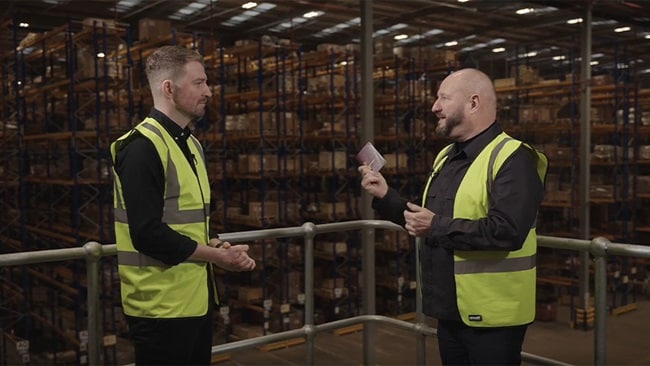
Get insights from an industry expert
How the right logistics partner can help
To meet the ever-present global demand for beer, supply chains need to be bolstered by efficient logistics offerings that can help provide seamless solutions to address the numerous challenges they may encounter.
Visibility and synchronicity
Uncoordinated flows are a significant hurdle in the beer industry. Data integration can help establish a more unified inventory management setup. Many brands have faced a disconnect between demand and production, which can either lead to overfull warehouses or a shortage of stock in a specific market. This is where a logistics service provider can add considerable value, by consolidating relevant information and creating better visibility and synchronicity across all elements of the system.
Traceability and transparency
Technology is becoming an increasingly integral part of logistics systems worldwide, enabling greater information flow across your entire supply chain. Batch tracking tools can streamline production and distribution processes, facilitating punctual deliveries and the removal of bottlenecks.









Don’t miss out on logistic news and updates from us
You did it, welcome onboard!
We're sorry, but there was a problem sending your contact request.
Please review the form fields and ensure all required information is provided correctly. If the issue persists, please contact our support team for further assistance.
Don’t miss out on logistic news and updates from us
Sign up here and receive news and insights that help you navigate supply chains, understand industry trends, and shape your logistics strategy.