The 3 supply chain megatrends changing the face of FMCG logistics in Latin America

 LinkedIn
 Facebook
 X.com
X.com
 WeChat
 Email
Email

Fast Moving Consumer Goods (FMCG) businesses have to get the right product to the right customer, at the right time. However, from production and collection, to storage, customs clearance and delivery, various segments of the supply chain are susceptible to risks and challenges. Adding to the complexity are external factors like regulatory changes, emerging markets, changing consumer behaviours, weather, and pandemics.
In these situations, 3 supply chain megatrends are predicted to define Consumer Packaged Goods (CPG) businesses, and by extension, the FMCG industry in Latin America. These are supply chain transformation, technology & innovation and decarbonisation. In this article, we’ll delve into each trend in detail to understand the challenges and opportunities they come with.

Visibility understanding

Cost optimisation

Predictability

Agility

Simplicity

산업 트렌드 및 인사이트를 받아보세요.
An all-in-one package with end-to-end visibility and efficiency
How our customer tracked their cargo in real time with our customised solutions and took control of their operations.
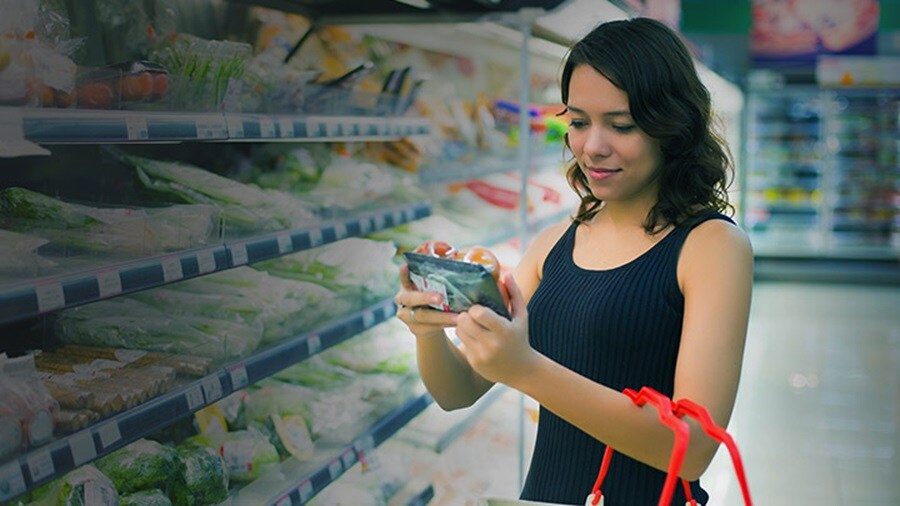
Trend 1: Supply chain transformation
During the Covid-19 crisis, many FMCG businesses turned to ecommerce as their main channel. The pandemic also highlighted the growing importance of complete end-to-end visibility. This led to operational changes in a rising number of FMCG supply chains in Latin America.
In order to be prepared for the new normal, businesses need to focus on these key drivers:
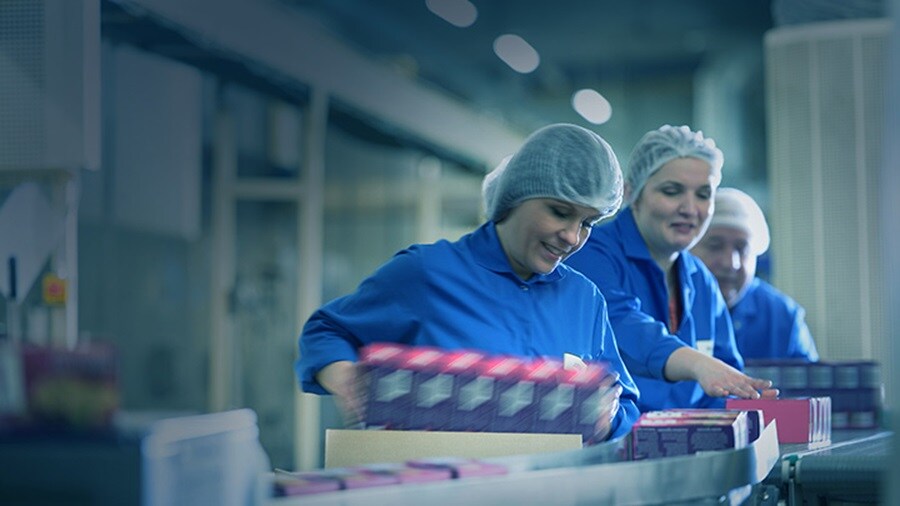
The background
The customer in this case is the world's leading company in food processing and packaging solutions. They work closely with suppliers to provide safe food. At this particular distribution centre, the company handles the distribution of spare parts.
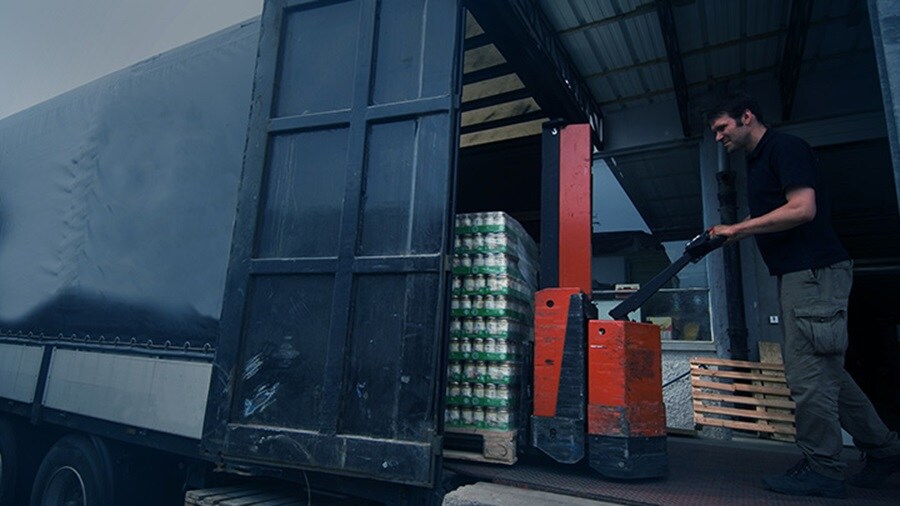
The challenge
The customer had six different carriers taking care of their logistics processes at the distribution centre. They had no visibility into the volume of cargo required in the market. Without this data, it was challenging to take control of their supply chain and predict schedules, plan delivery dates and track cargo.

The solution
The employees at the centre were responsible for the distribution of small parts of machines, glue, ink. and much more. We identified the 3 main operation types in which the distribution of cargo took place:
- Express: Where the consumer placed an order and the material had to be dispatched in 2 hours via a dedicated vehicle
- Planned: Regular distribution with a transit time of 4 days
- Prioritised: Distribution of cargo had to be done within 3 days
Further, the customer had to handle both inbound and outbound cargo. They needed a solution to manage the high volume of transportation each day. In other words, they wanted a logistics solution that could provide end-to-end visibility, from creation of the order to final delivery. For this, they needed a 4PL structure that functioned as a control tower.
We offered the customer a 100% customised solution that helped them control all their supply chain processes. We provided real-time end-to-end visibility, reports on internal and carrier performances, and conducted daily freight audits. What’s more, we allowed them to undertake reverse logistics planning, which helped them ensure that returned and redelivered products were sent to the right inventory or consumer.
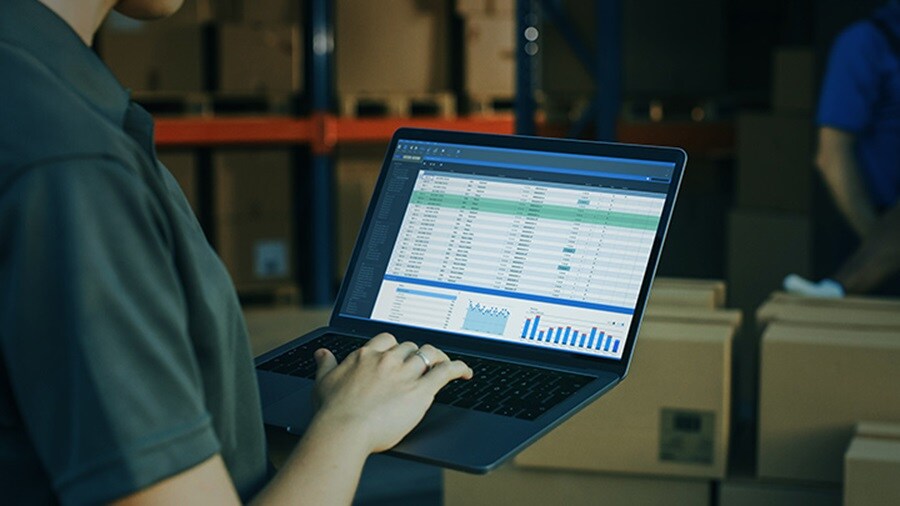
The result
Through a centralised management system, the customer not only achieved visibility, but they could also standardise a high number of internal processes. As such, they are now able to:
- Control volume and performance within the company and with their carriers
- Save over USD30,000 in freight audits
- Reduce costs on reverse logistics planning
- Predict the monthly freights, returns and redeliveries based on our analysis
- Track their cargo in real time with a delivery link sent after dispatch
- Utilise the analytics system, Power BI, to customise and track KPIs and work towards achieving them
Trend 2: Technology
Demand for FMCG products is highly volatile, leading to constant pressure to have efficient production and accurate stock levels. To do this, businesses must interpret forecasted data and make real-time decisions. Technology can help input, analyse, and act on this data to properly manage the flow of products.
Better data integration can help provide a clearer picture of the consumers buying their products. This allows the business to meet consumer demand in the short term, whilst also enabling better long-term strategising and forecasting.

Sophisticated data analytics also help distributors and retailers track inventory. By improving ordering algorithms, stores can put in more accurate orders and account for sales histories and purchasing trends. This aids in creating a streamlined, cost-efficient supply chain. Most importantly, with accurate data, logistics teams can make quick and informed decisions.
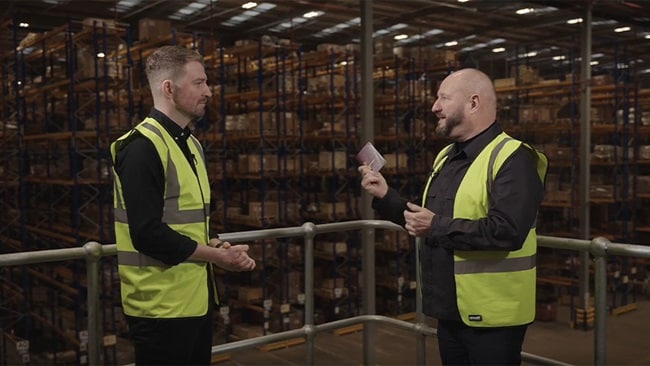
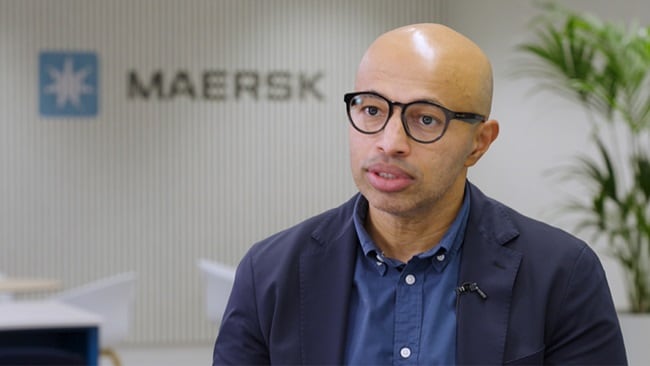
Maersk expert, Esteban Atehortua, FMCG Vertical Sales Manager, West Coast South America, A.P. Moller – Maersk, provides insights on the importance of visibility and how technology contributes to achieving it.

Trend 3: Decarbonisation
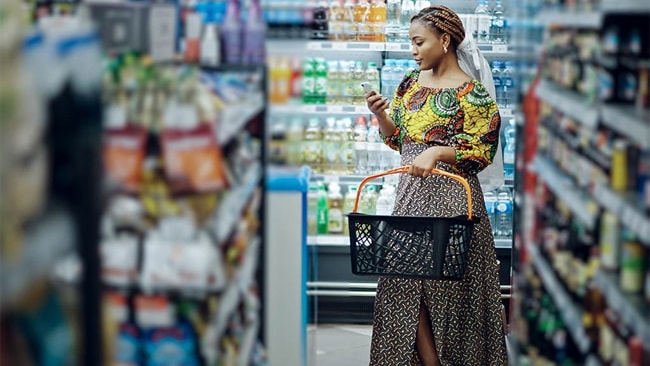
Consumers are increasingly focusing on the environmental impact of the products they buy. They want more information about GHG emissions, the working conditions in which a product is manufactured and how a product reached the shelf. They’re also seeking to foster the development of their local economies, which has led to them using small and medium-sized Latin American businesses.
This concern is not just from end consumers. Shareholders and investors also want their companies to commit to more environmental, social, and governance (ESG) actions in the future.
It’s all about partnership
Today, many FMCG businesses are questioning the efficiency of their supply chain practices. With constant management and strategy that go into logistics, it can be overwhelming and all-consuming.
A number of FMCG businesses would rather relinquish control of their logistics to a single supplier and focus on product development, marketing and branding. That’s why they’re looking for Supply Chain Management (SCM), Fourth Party Logistics (4PL) and Cold Chain Management (CCM) experts to take on complete management of their processes, from start to finish.
Not only that, if they find the right supplier, they can be sure that their supply chain is operating efficiently while adopting the latest technological innovations. All, while having end-to-end visibility.





미래 산업 트렌드에 관한 최신 정보를 원하십니까?
구독 신청을 완료하셨습니다. 환영합니디!
죄송합니다. 문의 요청을 보내는 중 문제가 발생했습니다.
양식의 필수 사항을 모두 올바르게 입력했는지 확인하세요. 문제가 계속되면 지원팀에 연락하여 추가 지원을 받으세요.
미래 산업 트렌드에 관한 최신 정보를 원하십니까?
이 양식을 입력하여 구독을 신청하시면 통합 물류에 관한 Maersk의 인사이트를 메일로 받아보실 수 있습니다. 맞춤형 기사를 통해 유용한 정보와 비즈니스 인사이트를 확인해 보세요. 언제든지 구독을 취소할 수 있습니다.