
 LinkedIn
 Facebook
 X.com
X.com
 WeChat
 Email
Email
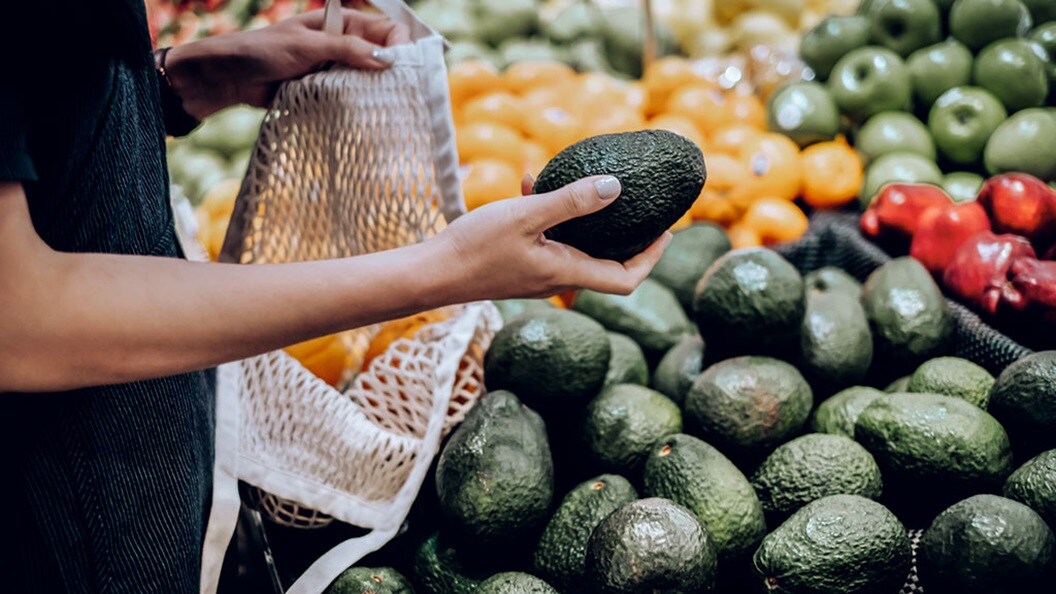
In recent years there has been increased awareness around food waste, with articles and studies detailing the amount of food that consumers throw away from their fridges and pantries. In fact, the United Nations reported in 2019 that 17% of all food available at the consumer level was wasted. However, there remains hidden food loss in the upstream portion of the supply chain, before goods reach retailers' shelves and refrigerators. This kind of waste is defined as food loss by the Food and Agriculture Organization of the United Nations and is known as ‘the decrease in edible food mass at the production, post-harvest, and processing stages of the food chain’.
Though less talked about, food loss contributes to a huge proportion of food that is thrown away, adding up to roughly $600 billion worth of food annually. This loss is not only financial, but has great negative effect on the environment, and actively works against retailers’ sustainability goals. A large contributor is the long value chain starting with growers based around the world, retailers have numerous hurdles to overcome when aiming to become more sustainable by reducing their food losses. So, what can retailers do? There are several ways that retailers can get food loss under control with the help of an integrated logistics partner.
Digital tools for remote management
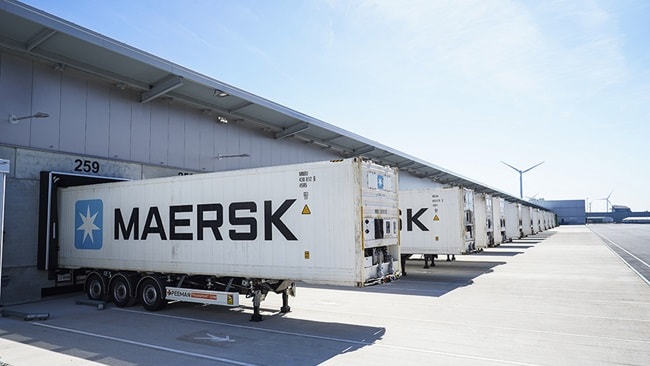
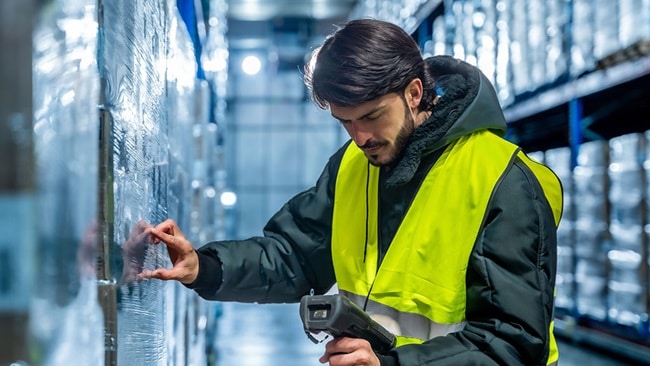
With help from digital tools shippers can track the location of their refrigerated cargo throughout its entire transportation journey. Additionally, dedicated tools that can monitor the conditions of refrigerated goods, such as remote container management systems, allow visibility on the inside of the container. From locking the container, to delivery at the warehouse or supermarket, remote container management systems can provide visibility on the temperature, humidity, and atmospheric conditions inside the container. This allows shippers to monitor and manage the conditions of their cargo, meaning that goods arrive at their end destinations in fresh conditions, leading to higher profits and more sustainability.
Supply chain visibility for planning
One key way for retailers to avoid food loss is for them to know where their stock is, and when it will arrive. This visibility allows for proper planning when it comes to storage and sales, ensuring that they will always have the right kind of storage available when their goods arrive. For example, if retailers know that one refrigerated delivery is delayed, and will be arriving around the same time as another delivery; they can arrange additional cold storage or set up a sale to free up more space for the new product.


Get insights from an industry expert
Supply chain agility for rerouting
Additionally, with the visibility that a logistics partner can provide, retailers can be more agile with their shipments. Not only can they plan ahead to free up storage or shelf space, they can also pivot and create new plans when delays or disruptions occur. One way to do this is to reroute stock if necessary, moving shipments to different locations that need it more, reducing overstock and therefore wasted goods. This also opens the opportunity to resell to different buyers in more convenient locations, eliminating loss and maximising profits.
Shorter supply chains for decreased complexity
Working with an integrated logistics partner with global reach allows retailers access to a network of producers. This means that logistics partners can bring retailers closer to the start of their supply chains, creating more contact points with the farmers, fishers, growers, etc. And cutting out unnecessary transportation steps. This streamlining of the supply chain reduces risks of breakages in the chain, ensuring smooth transitions and less opportunities for spoilage and food loss.
Demand planning with supply chain management tools
Lastly, working with an integrated logistics partner that offers demand planning and similar supply chain management tools allows for retailers to understand and plan for peaks and troughs in seasonal demands. By understanding this consumer behaviour retailers can stock their stores accordingly, meaning that there is a lower likelihood for perishable foods to sit longer on shelves, leading to spoil and food loss. Additionally, it enables retailers to send their stock to the right places at the right time, eliminating overstock and warehousing issues.
Logistics partnerships for lower food losses and greater sustainability
Sustainability is not just about emissions, but also making the most of the products that we have, in order to reduce loss. Therefore, food loss is not only a problem when it comes to the bottom line, but also for the planet. However, retailers can look forward to a future of reduced food loss by partnering with a logistics provider that offers solutions like remote management tools, visibility, leaner supply chains, and more accurate demand planning for reduced waste and emissions.





Don’t miss out on logistic news and updates from us
You did it, welcome onboard!
We're sorry, but there was a problem sending your contact request.
Please review the form fields and ensure all required information is provided correctly. If the issue persists, please contact our support team for further assistance.
Don’t miss out on logistic news and updates from us
Sign up here and receive news and insights that help you navigate supply chains, understand industry trends, and shape your logistics strategy.