
 LinkedIn
 Facebook
 X.com
X.com
 WeChat
 Email
Email
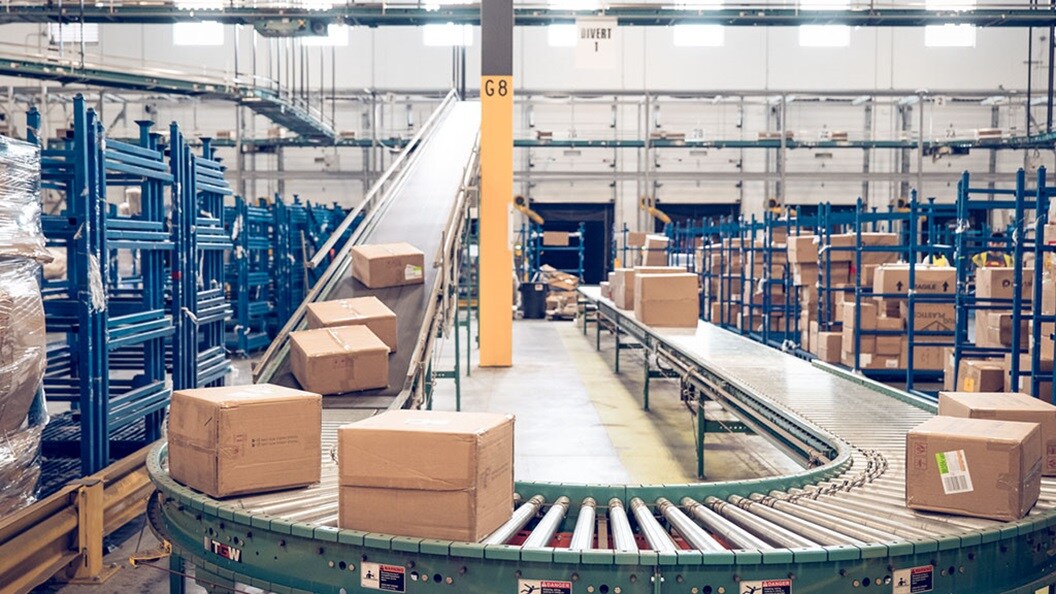
The e-commerce market continues to grow across Europe, however peak season in 2022 is not only bringing an increase in online order volumes, but also an increase in returns. To maintain customer satisfaction and positive profit margins, it’s becoming increasingly important for retailers to shift their focus to reverse logistics to optimise their e-commerce supply chain and gain a competitive edge.
With a good returns policy being in the top three most important attributes for European consumers shopping online
(Statista), it’s not surprising that several online retailers have recently found themselves in the public eye for introducing return fees. When 51% of Internet users in Germany have returned a product purchased online, and Great Britain and Spain following closely with 49% and 42% respectively (Statista), it can be easy to assume that only introducing a charge on returns will make the returns go away. Instead of fearing and discouraging returns, businesses should embrace them for a fully optimised e-commerce supply chain, and here’s how.

Boost online shopping adoption with the right policy on returns
The first thing to consider in supply chain management when looking to optimise the returns process is where your customers are in the adoption process of online shopping. The answers, and consequently consumer expectations, will differ across product industries. According to Eurostat, the majority of European online shoppers (68%) buy clothes, shoes, and accessories online, while a significantly smaller number goes online to buy furniture and home accessories (29%), and cosmetic products (27%).
Industries with lower adoption rates of online shopping, such as FMCG, have the highest growth potential and can use free returns as a sales enablement tool to get more consumers to their online shops. Consequently, they will see a higher percentage of returns as customers move along the adoption curve.
In this case, the high return rate becomes an investment in getting to know your customers and developing sales channels and first-party sales data.
While more advanced industries like fashion are seeing a percentage decrease in returns in part due to maturity, they are also making returns more expensive for the consumer – and therefore less frequent. ”The more advanced industries should explore less costly returns solutions, such as in-store drop-off and paperless returns to keep their customers happy,” added Frese.

Get insights from an industry expert
Optimise the total cost of sales channels
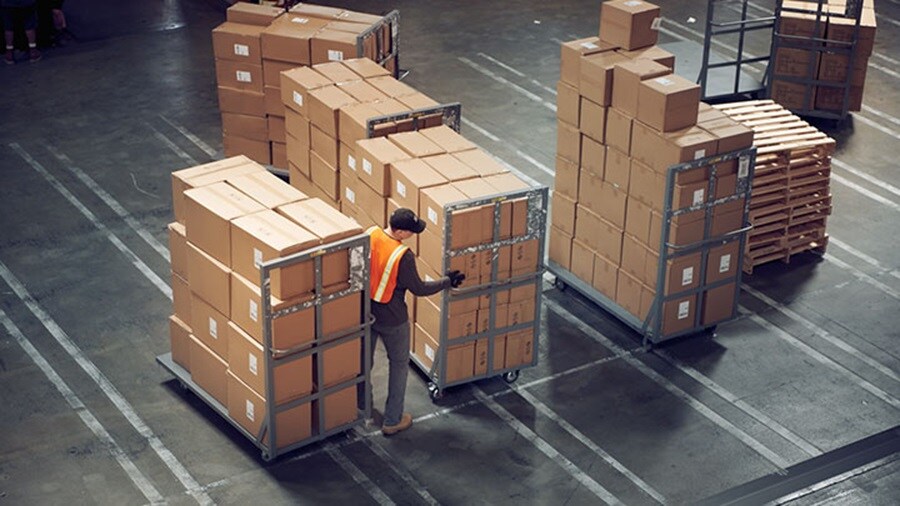
Returns often seem to overly complicate operations of e-commerce businesses, but reverse supply chains can equally be seen as another optimisation opportunity. When a product is sent back, it becomes part of the inventory again and starts incurring costs and taking up warehouse space.
As seen in the recent downfall of Made.com, having too much inventory and not enough agility during the global pandemic can be detrimental, but getting returns right could enhance working capital. “The faster and more efficient that businesses can handle returns and put them back in the supply chain, the less inventory they will have filling up their warehouses, which will in turn support their working capital,” explains Frese.
Reverse supply chains can be made more effective by decentralisation – instead of shipping all return parcels to the origin or a central warehouse, they could be shipped to local warehouses. This optimisation of the e-commerce supply chain would decrease emissions generated by returns, but also keep inventory close to the consumer.
What is a good return policy for e-commerce?

Since a good return policy is an important attribute when shopping online, e-commerce businesses that get them right could consequently improve their NPS (Net Promoter Score). Happy customers are more likely not only to buy again, but also recommend the business across their network.
While free returns are not always a feasible solution, there are ways in reverse logistics to make them less costly and more acceptable for consumers. If offering drop-off returns to a parcel point, businesses should include return labels or use paperless returns to make the experience less laborious for consumers. In-store returns can be put immediately back into inventory, making them available for purchase more quickly, while at the same time allowing the brand to maintain a seamless customer experience across touchpoints.
After a consumer returns a product, the next thing they expect is a refund of their spend. Businesses that can streamline this process too will not only ensure customer satisfaction, but also return disposable income to the consumer side. And the sooner consumers have their disposable income available again, the sooner they can return to the stores – both online and in-person.




Don’t miss out on logistic news and updates from us
You did it, welcome onboard!
We're sorry, but there was a problem sending your contact request.
Please review the form fields and ensure all required information is provided correctly. If the issue persists, please contact our support team for further assistance.
Don’t miss out on logistic news and updates from us
Sign up here and receive news and insights that help you navigate supply chains, understand industry trends, and shape your logistics strategy.