
 LinkedIn
 Facebook
 X.com
X.com
 WeChat
 Email
Email
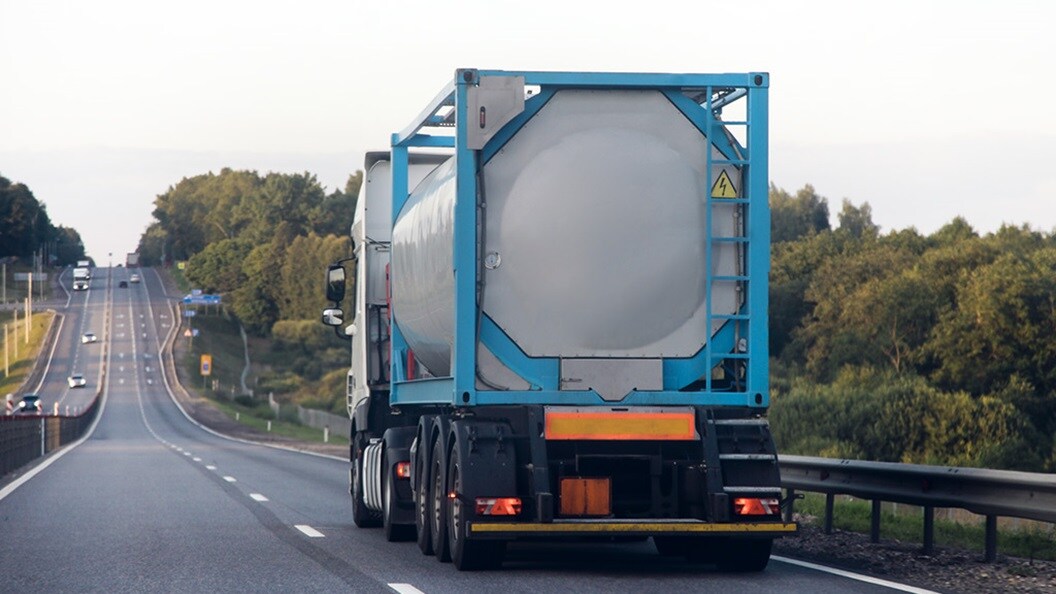
The global oil and gas industry faced significant challenges with the advent of the COVID-19 pandemic, suppressing global demand. While the industry has been looking up since the pandemic, its recovery has been hampered by the combined impact of global inflation and the recent economic recession. A slow downturn in oil demand due to tighter efficiency standards and expanding use of green energy has also affected the petrochemicals market.
While demand for petrochemicals reduced during the pandemic, the supply capacity stayed the same and even increased in regions like China, leading to a price drop. Member countries of the Organization of the Petroleum Exporting Countries and allies (OPEC+) pushed for oil production cuts to shore up prices in the petrochemical industry. The production cuts have been extended to 2.2 million barrels per day for the second quarter of 2024, with Saudi Arabia petrochemical stakeholders, Iraq, UAE, Kuwait, Kazakhstan, Algeria, Oman, and Russia all participating in the agreement.
However, demand is expected to stabilize. China and India form the largest plastics and petrochemicals consumer markets. 12% of the world’s oil production is currently used for petrochemical feedstock, and the proportion is expected to grow by 25% by 2030.
Growth Opportunities
The Kingdom of Saudi Arabia (KSA) and Kuwait are uniquely placed to capitalize on this growth , considering their significant role in the global petrochemical industry. KSA is home to 17% of the world’s proven petrol reserves and contributes 10% of the world’s chemical trade. Kuwait, on the other hand, held 7% of the world’s petroleum reserves with a production capacity of 2.7 million barrels per day in 2023.
The Kingdom aims to invest $600 billion into the petrochemicals by 2030 and has launched a Chemicals Sector Strategy to improve downstream production capacity. The Kingdom is particularly concentrating on specialty chemicals, plastics, rubber conversion, and inorganic chemicals, captalising on current production of upstream products. It aims to increase its production capacity of specialty chemicals to 8.7 million tonnes per annum by 2035. Additionally, the nation has set targets to produce 115.7 million tonnes of plastics and elastomers annually by the same year.
Despite Kuwait's plans to invest in the petrochemical industry, the current investment strategies fall short of achieving the desired growth targets for both upstream and downstream capacities. The country targets downstream expansion to reach 1.2 million tonnes per annum by 2040, which includes expansion of upstream capacity of Kuwait petrochemical companies through investments of more than $44 billion in oil production and exploration by 2025.
How downstream petrochemicals trade will drive growth in the sector for Saudi Arabia and Kuwait
Saudi Arabia’s petrochemicals constitute the second most significant export for the country. The country focuses on exports of high-value downstream chemicals and is currently encouraging foreign and domestic investments in the industry.
On the other hand, Kuwait produces low-cost products and sells them to developing petrochemicals markets. However, the country lags behind others in the region such as Saudi Arabia and the United Arab Emirates and needs to increase productivity to be at par with her neighbours.
Therefore, expanding the petrochemical industry is central to diversifying the economies of both Kuwait and Saudi Arabia as it provides essential raw materials for manufacturing various products within their domestic markets and for export.
The place of sustainability
Attracting investments in the today’s global climate requires a focus on sustainability in production processes. The oil and gas sector, in particular, faces significant challenges in adopting sustainable practices. With growing commitments to net-zero carbon emissions worldwide, many investors seek investment destinations with clear strategies for reducing greenhouse gas emissions.
The use of plastics and other downstream products of the oil and gas sector is expected to remain significant, indicating that the petrochemical industry stands to be lucrative in the coming years. The demand for green chemicals (chemicals produced through sustainable processes) is expected to grow at a compound annual growth rate of 10% between 2023 and 2025 to reach USD 161 billion. This is an opportunity for industries like Kuwait and Saudi Arabia petrochemicals to leverage green processes and take over the expanding market.
China, which is significantly investing in expanding its petrochemical industry, is already focusing on key building blocks of plastics such as olefins and polyolefins. The country is also transitioning to green feedstocks for oil and gas derivatives, which reduces carbon emissions.
These sustainability initiatives are expected to take centre stage as countries like Kuwait and the Kingdom of Saudi Arabia diversify their economies.
Supporting growth through efficient supply chains
Building resiliency through logistics and supply chain improvements can enhance these countries’ position in the global market. To effectively capitalize on the growth of the oil and gas sector, Saudi and Kuwait petrochemical companies should prioritize:
- Proper handling and safety using high-quality equipment to ensure the integrity of the material.
- Evolving customs processes and procedures based on discoveries in the petrochemical industry and priorities across borders.
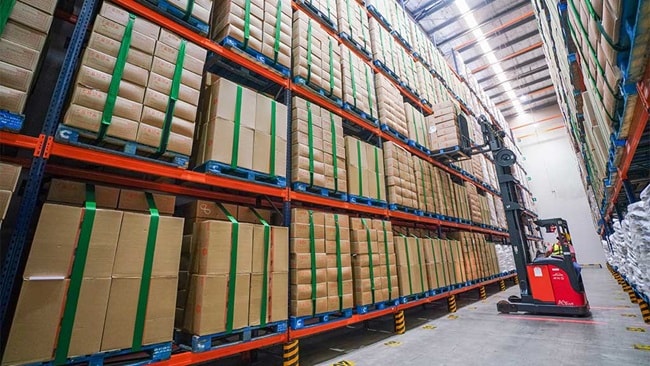
- Proper storage techniques that ensures the safety of the chemicals, people, and the environment.
- Digitalization to help producers identify new products, services, petrochemicals markets, and efficiency practices.
- Visibility and monitoring to ensure tracking and tracing capacities across the supply chain.
Stay in the know
Get more insights on the evolving petrochemical industry and what’s happening in the supply chain world.

取得產業內部人士的見解
How can you be ready for anything?
Instability is on the rise, causing logistics to feel the pressure of the constant disruptions. Is your business resilient enough? Do you know what it takes to build resilient supply chains in today's world?
Learn how Maersk can help with logistics resilience.





您是否想隨時獲取未來產業趨勢的必修課?
您完成了,歡迎訂閱!
很抱歉,發送您的聯絡請求時發生問題。
請檢視表單欄位,並確保提供所有必要的正確資訊。若問題仍然存在,請聯絡我們的支援團隊尋求進一步協助。
您是否想隨時獲取未來產業趨勢的必修課?
透過在此表單註冊,您可直接在您的郵箱中接收我們的見解,踏入真正整合物流的世界。只要按幾下,您就可從我們為您量身訂製的文章中獲取靈感,並獲得相關業務見解。您可以隨時取消訂閱。
I agree to receive logistics related news and marketing updates by email, phone, messaging services (e.g. WhatsApp) and other digital platforms, including but not limited to social media (e.g., LinkedIn) from A. P. Moller-Maersk and its affiliated companies (see latest company overview). I understand that I can opt out of such Maersk communications at any time by clicking the unsubscribe link. To see how we use your personal data, please read our Privacy Notification.
By completing this form, you confirm that you agree to the use of your personal data by Maersk as described in our Privacy Notification.