Maersk, Renfe and Cepsa carry out first 2G bio-fuel test in Spanish rail transport
 LinkedIn
 Facebook
 X.com
X.com
 WeChat
 Email
Email
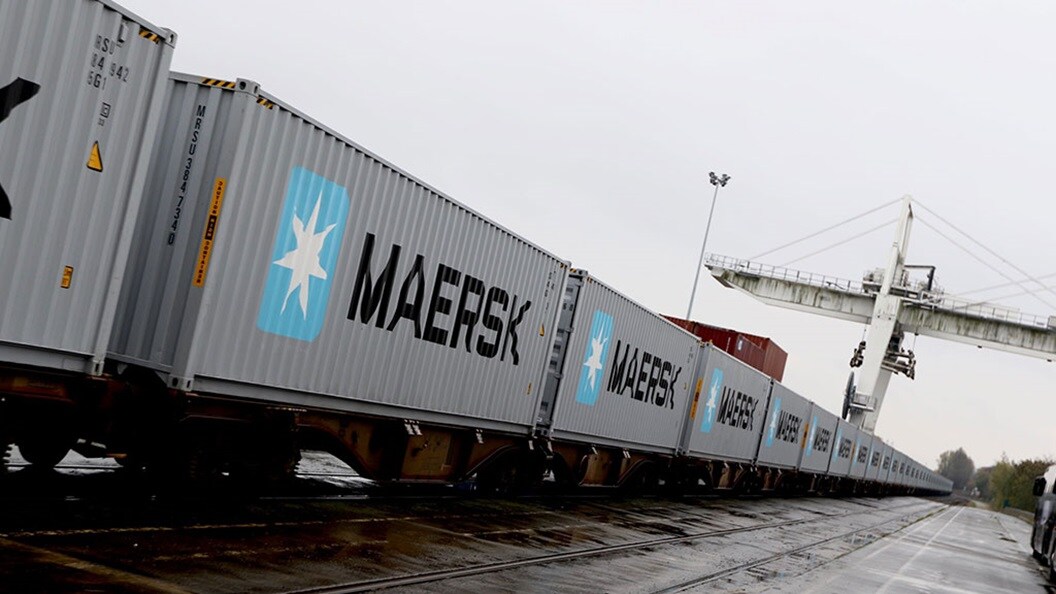
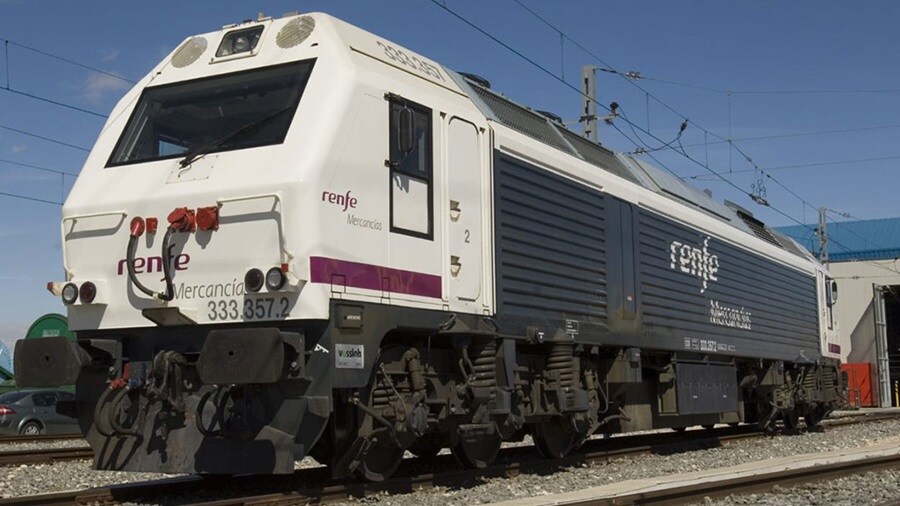
The project will begin in early July and will last for three months. The Spanish company Cepsa will supply 160 tons of second-generation bio-fuel, produced at its La Rábida Energy Park (Huelva) from used cooking oils, to cover a total of five weekly roundtrips. Renewable diesel will replace conventional diesel in the Renfe locomotives that Maersk uses to transport its customers' goods from Algeciras to Cordoba. In Cordoba, they will continue the route to Madrid on electric trains powered by renewable energy.
The renewable diesel will cover almost 40,000 kilometers and avoid the emission of more than 600 tons (estimated according to UNE-EN 16258:2013, Methodology for calculation and declaration of energy consumption and GHG emissions of transport services (freight and passengers)) of carbon dioxide. The pilot test will deliver technical, environmental and economic data to analyze the feasibility of using fuels with very low GHG emissions as an alternative to conventional diesel in rail transport on non-electrified lines, with the aim to offer the solution to other Maersk customers in the future.
The three companies are participating this week in the International Logistics Exhibition of Barcelona (SIL), the leading trade fair for logistics, transport, intralogistics and supply chain management in Southern Europe, which is bringing together representatives of more than 650 companies at the Fira Conference Center. Managers of Maersk, Renfe and Cepsa have presented this pioneering project promoting the decarbonization of the Algeciras-Madrid rail corridor.
Looking at the actual effects of the climate change in many countries, the significance of decarbonizing logistics cannot be understated. Maersk is considering decarbonized transport solutions not only as a crucial differentiator towards our customers, but even more also as a commitment to the societies. This is why we are working in all areas with a lot of power on solutions with very low GHG emissions: in our ocean vessels, for hinterland transport as well as in warehousing and distribution. Maersk’s ambition is to be net-zero across our entire business by 2040 with ambitious short-term goals already for 2030. Every step counts. Hence, this innovative rail project in Spain marks a very important milestone in a much bigger plan how we are going to achieve our net-zero target.
As the process of electrification of the rail network progresses, it is key for Renfe Mercancías to explore possible alternatives to the use of fossil fuels in trains running on non-electrified lines, which currently represent approximately 35% of Spanish railways. In this way, we will not only contribute to the overall goal of reducing emissions in the transportation sector, but also give our diesel locomotives a second life, thanks to the development of new green fuels.
At Cepsa, we want to be a driver of change and promote sustainability and decarbonization for our customers in all types of transport: rail, sea, air and road. This agreement with leading companies such as Maersk and Renfe expands our collaborative ecosystem by bringing together synergies to drive the energy transition and the fight against climate change.
Second-generation biofuels can be used in locomotives without engine modifications and offer a significant reduction in GHG emissions compared to conventional fuels. In the entire life cycle from production to use these emissions can be reduced by up to 90% compared to traditional fuels. In addition, these bio-fuels promote the circular economy by using waste for their production that would otherwise be discarded or end up in landfills.
For more information, please contact:

Anything you need, we’re here to help

Logistics services

Contact us

Ready to ship?
I agree to receive logistics related news and marketing updates by email, phone, messaging services (e.g. WhatsApp) and other digital platforms, including but not limited to social media (e.g., LinkedIn) from A. P. Moller-Maersk and its affiliated companies (see latest company overview). I understand that I can opt out of such Maersk communications at any time by clicking the unsubscribe link. To see how we use your personal data, please read our Privacy Notification.
By completing this form, you confirm that you agree to the use of your personal data by Maersk as described in our Privacy Notification.