
 LinkedIn
 Facebook
 X.com
X.com
 WeChat
 Email
Email

At the end of last year, the Carbon Border Adjustment Mechanism (CBAM) began its transitional phase, placing a price on carbon-intensive products imported into the European Union to prevent carbon leakage. We previously spoke about how to prepare your supply chain for CBAM and as we go deeper into the transitional phase, the statistics suggest that many companies are not in a position to comply with the regulation.
During the transitional period, European businesses must submit quarterly reports for goods imported under the CBAM scope. In the first two quarters of 2024, businesses can report default values, providing time to revise their processes before reporting actual values becomes mandatory. However, only 10% of companies in Germany and 11% in Sweden have submitted their required reports, highlighting concerns about the readiness of businesses to adapt to this new regulatory environment.
The impact of CBAM six months in
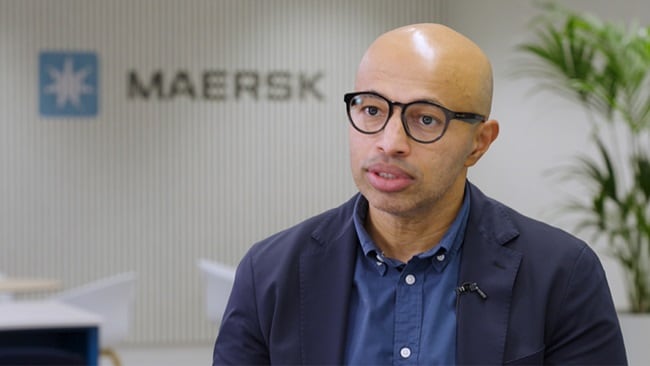
European importers of cement, iron and steel, aluminium, fertilisers, electricity, and hydrogen, have submitted two quarterly CBAM reports, offering multiple learning opportunities but also highlighting several challenges. “Companies are aware of CBAM, but many have not met reporting deadlines and they lack the specific information and expertise needed for future compliance,” says Bryan Stocker, Regional Head of Global Trade and Customs Consulting at Maersk.

And conforming to CBAM requirements until now has been relatively easy – companies could submit their reports based on default values, which is what 80% of companies have chosen to do. Starting with Quarter 3 companies must report actual emissions data, significantly increasing the challenge of CBAM compliance.
To report on actual embedded emissions, close cooperation with suppliers and producers in third countries is crucial, and yet businesses around Europe report this to be one of the biggest challenges of CBAM, alongside being on top of your customs data. Some suppliers may not understand the full extent of instructions, others may not be able to calculate the emissions, and some may not consider the benefits of providing the data worth the cost to collect it.
“Our teams have provided extensive support to our CBAM customers, from training personnel, communication with suppliers, collecting and analysing import data, engaging with suppliers and submitting reports, and what we see is the key in this process is staying on top of your customs data. Customers need to know what exactly they have imported, and which parts are in CBAM scope, to be able to comply with the regulation and avoid costly mistakes,” says Stocker.
Key considerations for CBAM compliance going forward
During the transitional period, CBAM is limited in scope to 6 sectors with no direct cost implications as a consequence of the regulation, which has made it relatively easy to follow. But as CBAM implementation progresses, the stakes become higher for all businesses operating under its scope. For the reports that are due to be submitted from October onwards, companies can no longer rely on reporting default values and need to report on actual emissions, which is significantly more complex.
As with many regulations, incorrect reporting of emissions can result in fines, as well as have a reputational impact on the business. “Incorrect reporting can also cause difficulties for businesses further down the line – once CBAM is fully implemented, only authorised importers can import goods covered by the regulation. And with incorrect reporting, business risk not receiving the needed authorisation,” explains Fiaz Bailey, Trade and Customs Consultant at Maersk.
Getting the right processes in place now, for the July reporting, is absolutely essential for businesses to have a solid platform on which they can build as the regulation becomes more complex.
Staying on top of your customs data is crucial for ensuring compliance and staying ahead of regulatory changes. For assistance with CBAM reporting or other customs and trade compliance issues, our team of consultants is here to help. Connect with our Customs Services experts or find out more about Maersk Customs Services.

業界関係者から洞察を得る








重要な業界最新トレンドが必要でしょうか?
完了です。ようこそ!
申し訳ございません。お客様のお問い合わせの送信中にエラーが発生しました。
フォームの入力内容について、必要な情報がすべて正しく入力されていることをご確認ください。問題が解決しない場合は、サポートチームにご連絡ください。
重要な業界最新トレンドが必要でしょうか?
このフォームからご登録いただくと、お客様のメールボックスに直接最新の情報が配信され、真のインテグレーテッドロジスティクスの世界に足を踏み入れることができます。ニーズに合わせて厳選された記事でトレンドをしっかりキャッチし、クリックすることにより関連するビジネス情報も取得できます。配信はいつでも停止できます。
I agree to receive logistics related news and marketing updates by email, phone, messaging services (e.g. WhatsApp) and other digital platforms, including but not limited to social media (e.g., LinkedIn) from A. P. Moller-Maersk and its affiliated companies (see latest company overview). I understand that I can opt out of such Maersk communications at any time by clicking the unsubscribe link. To see how we use your personal data, please read our Privacy Notification.
By completing this form, you confirm that you agree to the use of your personal data by Maersk as described in our Privacy Notification.