Global aid transport: the vital role of logistics in delivering aid where it’s needed the most

 LinkedIn
 Facebook
 X.com
X.com
 WeChat
 Email
Email
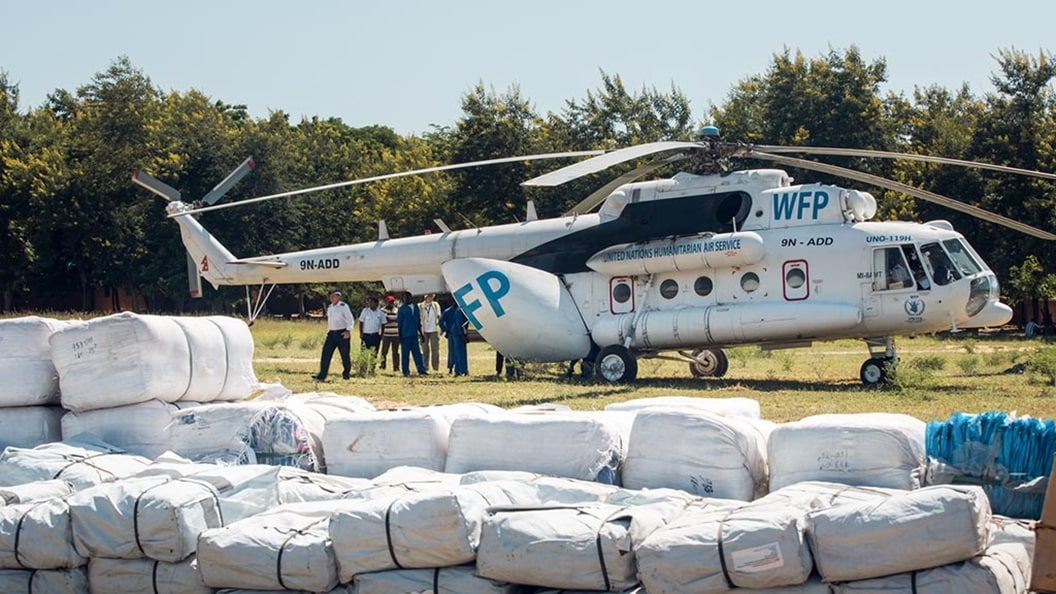
Recently, the world has faced a variety of challenges that have hampered growth in several areas. The recent unprecedented health, geopolitical shocks have highlighted the importance of worldwide collaboration in dealing with enormous challenges.
Natural catastrophes, prolonged conflicts, diseases, and climate-related tragedies remain common in various parts of the world. Throughout it all, there has been a strong response from many nations and regions eager to assist in saving lives and promoting development.
In 2023 alone, Africa has faced various obstacles that continue to impact the quality of life for most of its people. For example, the Horn of Africa region is currently experiencing a prolonged drought, resulting in more than 20 million people experiencing acute food insecurity and 16.3 million people being unable to access domestic water (International Organization for Migration). According to the UN Office for the Coordination of Humanitarian Affairs (OCHA), the combined challenges of violence and the negative consequences of climate change have resulted in 75 million people in West and Central Africa enduring extreme food insecurity and more than 1.7 million people being displaced.
While delivering financial contributions to afflicted populations in these locations has some value, supplying necessities is frequently cited as a superior strategy to mitigating severe crises. Among the most vulnerable, a variety of cargo is thus usually needed to deal with the hunger, disease, displacement, and other difficulties. Because of the nature of the challenges, humanitarian cargo needs to be transported swiftly, necessitating a specialized set of capabilities and capacity from logistics service providers.
Logistics and international development cargo
The delivery of necessary products and resources to help economic, social, and infrastructure development in underdeveloped areas is referred to as international development cargo. While governments, non-governmental organizations (NGOs), and international organizations are in charge of carrying out development initiatives, logistics companies play an important role in facilitating the transportation of products by providing the necessary expertise and infrastructure.
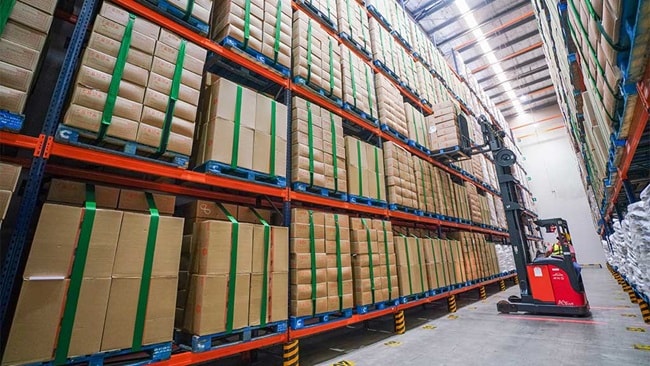
Logistics providers excel at responsibilities such as procurement, inventory management, warehousing, and distribution, which are critical for the efficient delivery of international development cargo due to their deep expertise and experience in managing complicated supply chains. Furthermore, they optimize supply chain procedures and ensure that important cargo is delivered on time and at a reasonable cost.
This is especially true in places where multimodal transportation is required, such as the seamless integration of air, sea, road, and rail networks in order to cut travel times. This expertise is crucial when it comes to reaching out to isolated and disadvantaged areas where infrastructural constraints make freight transportation difficult.
Customized Solutions for Challenging Environments
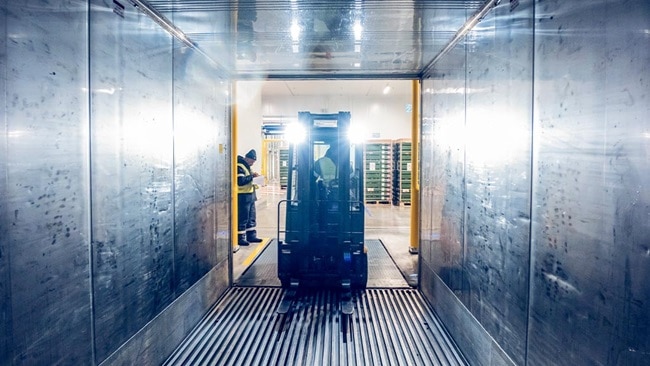
Poor infrastructure, inadequate storage facilities, restricted transportation alternatives, and security issues are common in developing regions. Cargo providers in international development use their skills to establish creative solutions for cargo consolidation, last-mile delivery, and handling perishable or delicate items. This frequently necessitates the incorporation of advanced technologies capable of real-time cargo tracking, inventory management, and advanced route optimization, all of which allow for rapid response in emergencies. By leveraging the power of technology, logistics firms boost freight transit efficiency, precision, and reliability, thereby aiding international development efforts.
Aid logistics: collaborating to save lives
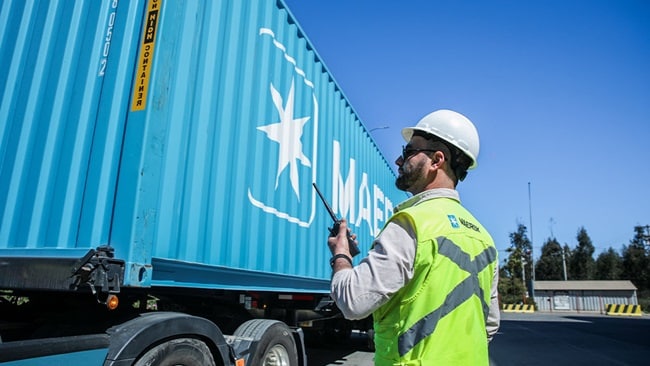
Even with a global presence, no single logistics provider can be everywhere. Emergencies can happen at any time, necessitating a lightning-fast response. This resulted in a first-of-its-kind collaboration of the world's major logistics and transportation firms under the aegis of the Logistics Emergency Team (LET). The team works together to pool resources and experience in order to respond to emergency situations more quickly.
Logistics and supply chain management are critical to assisting humanitarian response on a global scale. Indeed, the World Economic Forum estimates that 73% of humanitarian response spending is tied to the supply chain. Logistics service providers improve cargo transportation efficiency, scalability, and impact through their supply chain management capabilities, coordination knowledge, technology integration, and risk management skills.









미래 산업 트렌드에 관한 최신 정보를 원하십니까?
구독 신청을 완료하셨습니다. 환영합니디!
죄송합니다. 문의 요청을 보내는 중 문제가 발생했습니다.
양식의 필수 사항을 모두 올바르게 입력했는지 확인하세요. 문제가 계속되면 지원팀에 연락하여 추가 지원을 받으세요.
미래 산업 트렌드에 관한 최신 정보를 원하십니까?
이 양식을 입력하여 구독을 신청하시면 통합 물류에 관한 Maersk의 인사이트를 메일로 받아보실 수 있습니다. 맞춤형 기사를 통해 유용한 정보와 비즈니스 인사이트를 확인해 보세요. 언제든지 구독을 취소할 수 있습니다.