LinkedIn
 Facebook
 X.com
X.com
 WeChat
 Email
Email
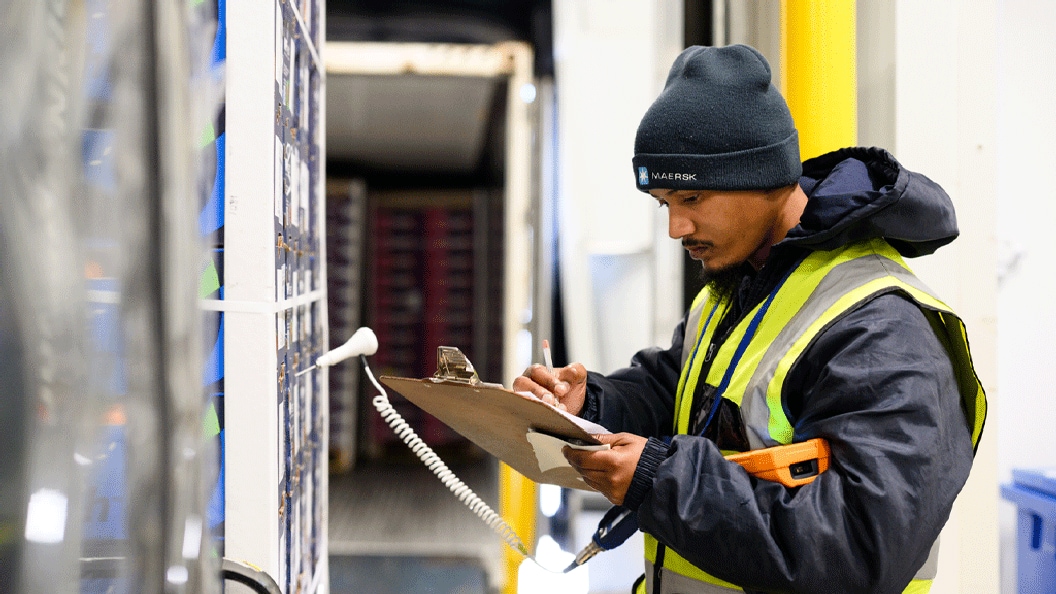
Chain-of-custody visibility combines real-time tracking and verifiable documentation of a shipment’s location, handling, and condition. It makes it possible to reconstruct the complete, time-stamped story of a shipment or product lot - who physically controlled it, where and when each transfer occurred, what conditions it experienced, whether it was accepted within specification, and what action was taken when something went wrong.
How is chain-of-custody visibility different from traditional supply chain visibility
Chain-of-custody visibility builds on many of the same data elements used in traditional supply chain visibility and product traceability. While related, they are different and used for different purposes. Chain-of-custody visibility should be understood as an operating and governance model, not as a single technology. The key characteristics and differences of each concept are described below:
Supply chain visibility: Where is the shipment, and what is its current status? Provides information such as real-time location, ETA, inventory, transport milestones, and delays.
Product traceability: Where did this product come from, what happened to it, and where did it go? Provides information on product identity, origin, processing history, and movement through the supply chain.
Chain-of-custody visibility: Can we prove who had custody of the product, what condition it was in, and what decisions were made throughout its journey? Provides unbroken traceability data, transfer acknowledgements, temperature records, seals, inspections, exceptions, corrective actions, and audit records.
Additionally, for food and healthcare products, chain-of-custody visibility is often organised at batch or lot level, as safety and quality issues frequently affect a specific production batch. This helps companies identify and locate affected products more quickly during a recall.
The need for chain-of-custody visibility
Conditions of transport and storage change the value, and sometimes safety, of the final product. For ambient goods, delays primarily affect cost or service levels. In cold chain, however, temperature fluctuations, equipment failures, or poor airflow can affect product safety, freshness, appearance, nutritional value, or shelf life.
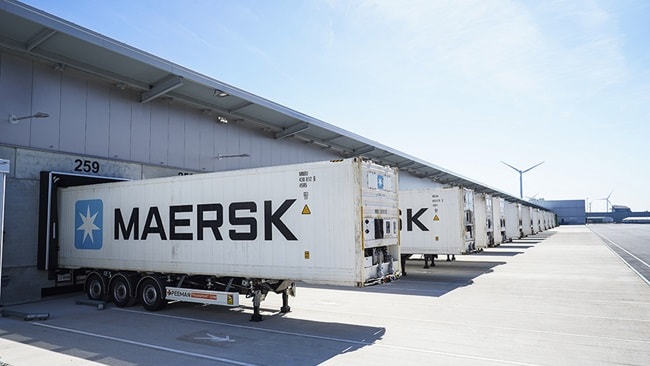
Many regulatory frameworks, such as the Good Distribution Practice (GDP), set requirements on storage and transportation, as well as tracing systems that enable locating faulty products and recalling them effectively. For example, Maersk’s Maasvlakte GDP-certified cold store is designed not only to meet industry standards but also to help maintain trust between product owners, regulators, and logistics providers.
With proper chain-of-custody visibility, when something happens along the supply chain that affects the quality of the final product, companies can work on managing the impact more efficiently. Better traceability can narrow the investigation - which lots were exposed, during which custody interval, whether adjacent stock was affected, and where the product was distributed.
The bottom line is that traditional visibility tells the company where its goods are. Chain-of-custody visibility tells whether those goods remained under controlled and accountable conditions, whether compliance can be proven, and what actions were taken if something went wrong. And that is the difference between seeing logistics activity and managing product integrity.
To explore how companies can strengthen temperature integrity and reduce risk across cold supply chains, check our latest e-book on how to safeguard temperature integrity across Europe’s cold chain.