
 LinkedIn
 Facebook
 X.com
X.com
 WeChat
 Email
Email

The logistics industry in Africa has undergone significant transformations as a result of a combination of technological advancements, infrastructure improvements, and strategic policy initiatives. As the continent embraces the digital age wholeheartedly, several trends have emerged, shaping the logistics landscape and laying the groundwork for a more efficient and interconnected supply chain. Looking ahead to 2024, these trends are expected to continue, steering the industry toward greater innovation and adaptability.
Digital Transformation and Cybersecurity
Companies are increasingly turning to digital technologies to streamline processes and create more value through their supply chains. The surge in digital adoption includes route optimization, load monitoring, demand prediction, payments and transactions, and many other aspects of the supply chain, all geared toward improving efficiency.
Given the importance of data creation, use, and storage, cybersecurity is more critical to protecting sensitive information and safeguarding organizational processes. A report indicating that cybercrime is increasing across the continent yet many businesses are not equipped to repulse the attacks, highlighted the need for cybersecurity measures.
As a result, businesses, including logistics service providers, are investing in strong cybersecurity infrastructure to safeguard their operations and data against malicious actors. Furthermore, the need for cybersecurity legislation and policies grew throughout the year and is expected to produce positive results in 2024.
Automation and Robotics in logistics
Automation and robotics have emerged as a key trend in Africa's supply chain and logistics industry, owing to the need for increased efficiency, cost-effectiveness, and precision. This includes a wide range of technologies that are being adopted at various levels of the supply chain and are fueled by Internet of Things/Operational Technology advancements.
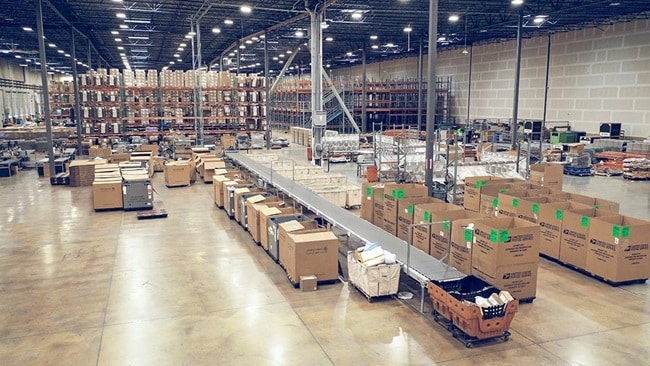
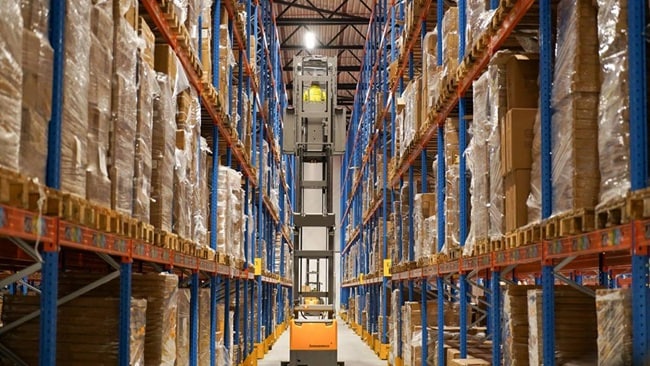
Throughout the year, we saw the adoption of automated logistics systems in some parts of the continent, as well as the launch of automated warehouses, as companies sought improved efficiency, lower labor costs, streamlined supply chain processes, and faster, more accurate operations.
Growing e-Commerce and the Need for Last-Mile Delivery
The African e-commerce market is expected to surpass 500 million active users by 2025, pointing to a steady 17.9% compound annual growth rate from 2017. Because of improved internet and mobile connectivity, the continent's population is increasingly turning to e-commerce for a variety of products ranging from groceries and household goods to personal care and fashion items.
Efficient last-mile delivery solutions have become a focal point for logistics providers seeking to meet the evolving consumer demands. The rise of e-commerce and the desire for quick and dependable deliveries have resulted in innovations in last-mile logistics that overcome obstacles such as the lack of reliable address systems in many African countries, safety and security, and poor transportation infrastructure. As the market expands, it is expected to reach a value of USD 2.35 billion in 2030, up from USD 1.14 billion in 2021.
Transforming Logistics
Decarbonisation in logistics and transportation became more prominent in 2023, as there was a growing awareness of the industry's climate impacts, as well as a greater urgency to address the global climate crisis. To reduce greenhouse gas (GHG) emissions, logistics service providers are implementing practices such as fleet renewal, retrofitting, switching to renewable energy sources, and optimizing route planning.
As consumers place more value and direct their purchasing power toward trade offerings aiming to reduce GHG emissions, companies must conform to this revolution in order to maintain their market share. Decarbonising logistics, now and in the future, not only aligns with global climate goals but also responds to the demands of consumers.
Looking ahead – what to expect in 2024
Looking ahead to the future of Africa's logistics landscape, a look back at 2023 shows a dynamic mix of groundbreaking technological advances, transformative infrastructural advancements and strategically orchestrated endeavours. Last year's advances in these three areas are indicative of the multifaceted trends that will continue to shape the logistics industry in 2024.
In the realm of technological breakthroughs, the integration of cutting-edge solutions such as artificial intelligence (AI), the Internet of Things (IoT) and blockchain has redefined the operational landscape. Logistics providers are harnessing the power of data analytics to optimise route planning, enhance real-time tracking, and streamline inventory management. Automated warehouses, smart logistics platforms, and digital supply chain ecosystems have become not just aspirations but integral components, setting the stage for a technology-driven logistics future in Africa.
At the same time, advances in infrastructure have played a pivotal role in reshaping the logistics paradigm. Investments in modernizing transport networks, expanding ports and hubs, and improving last-mile connectivity have boosted the efficiency and reliability of supply chains. The development of smart logistics hubs equipped with state-of-the-art facilities has become a cornerstone for the seamless movement of goods, enabling faster turnaround times and reducing operational bottlenecks.
Strategic endeavors characterized by collaboration, partnerships and visionary initiatives have continued to drive the evolution of logistics. Public-private partnerships have catalysed infrastructure projects, while collaborative efforts among logistics providers have spurred innovation in service offerings. Governments and industry stakeholders are increasingly aligning their objectives and developing policies that create an environment conducive to the growth of the logistics sector, laying the foundations for sustained progress and competitiveness.
In essence, the combination of these technological breakthroughs, infrastructural advances and strategic endeavours paints a dynamic picture of an industry in constant metamorphosis. By skillfully navigating this intricate intersection, African logistics providers are not just observers but active participants, shaping resilient, and efficient supply chains that push the boundaries of conventional logistics norms. As the clock ticks towards 2024, these multifaceted trends are set to deepen, presenting an opportunity for business leaders to engage in proactive thought leadership and strategically position themselves to navigate and leverage the intricate dynamics of Africa's evolving logistics landscape.

Get insights from an industry expert





Don’t miss out on logistic news and updates from us
You did it, welcome onboard!
We're sorry, but there was a problem sending your contact request.
Please review the form fields and ensure all required information is provided correctly. If the issue persists, please contact our support team for further assistance.
Don’t miss out on logistic news and updates from us
Sign up here and receive news and insights that help you navigate supply chains, understand industry trends, and shape your logistics strategy.
I agree to receive logistics related news and marketing updates by email, phone, messaging services (e.g. WhatsApp) and other digital platforms, including but not limited to social media (e.g., LinkedIn) from A. P. Moller-Maersk and its affiliated companies (see latest company overview). I understand that I can opt out of such Maersk communications at any time by clicking the unsubscribe link. To see how we use your personal data, please read our Privacy Notification.
By completing this form, you confirm that you agree to the use of your personal data by Maersk as described in our Privacy Notification.