Adapting to the effects of climate change with integrated logistics

 LinkedIn
 Facebook
 X.com
X.com
 WeChat
 Email
Email

It is no secret that globally we are in a period of extreme instability. While nearly one-third of Pakistan was recently underwater due to devastating flooding, across the world wildfires burn out of control and droughts threaten swaths of the United States of America all the way down to Mexico. As the effects of climate change continue to unfold, supply chains are under pressure in new and unpredictable ways. So how can companies stay resilient throughout these unprecedented times? The answer may lie in the implementation of integrated logistics.
Impacts of climate change on supply chains
Extreme weather can ground airfreight, delay rail, or reroute trucks and ships -- leading to disruptions within the supply chain that lead all the way down to the consumer. Additionally, the availability of raw materials is very likely to be impacted by climate change; due to disruptions caused by flooding, droughts, and hurricanes.
A study by the McKinsey Global Institute Analysis found that the risk of severe disruption to heavy rare earths production, due to extreme precipitation, may increase two to three times by 2030. With the increased risk of landslides in mines, flooding in treatment facilities, and delays in transport to and from mining sites; climate changes' affects are likely to create at least a 20% drop in heavy rare earth output. This one example illustrates how the raw materials that make up the very genesis of some supply chains' production could disrupt manufacturing and delivery from beginning to end.
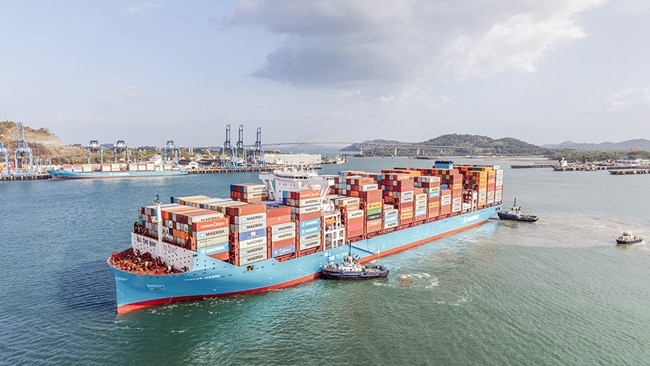
Additionally, we can already see the impacts of drought in supply chains around the world. Back in 2019 the Economist reported that the Panama Canal, which allows shipments to shorten the 13.000-kilometre journey around South America to just 77 kilometres, was forced to reduce weight by lowering cargo capacity on ships due to drought decreased water levels. Additionally, back in 2018 and again now in 2022, droughts in Europe have caused transport performance to drop ten to thirty percent on average on both the Rhine and Danube Rivers due to low water levels and the lack of availability of raw materials.
What are integrated logistics solutions?
At its essence, integrated logistics is achieved when all aspects of a company and its supply chain are coordinated and working as one. This supply chain and business organisational model creates greater efficiency, visibility, and agility through the streamlining and coordination of all processes, flows, and resources. Changes in demand and the challenges associated with an exceptionally globalised world of trade has meant that more and more companies are moving towards integrated logistics solutions to ease their movement of goods. Integrated logistics has many benefits, especially within an increasingly unstable world affected by climate change.


Get insights from an industry expert
Resiliency with integrated logistics providers
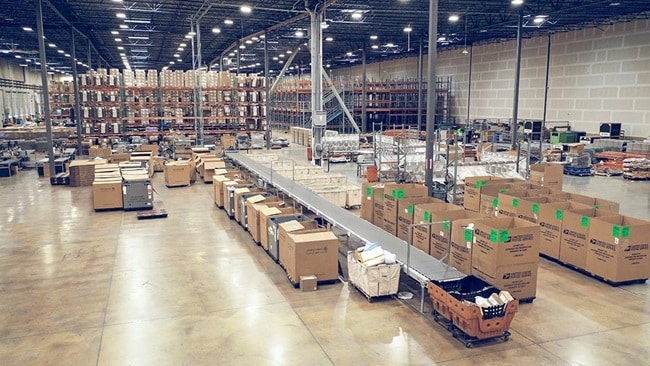
With integrated logistics, businesses are able to become more agile and resilient when climate crises occur. Firstly, the visibility offered by an integrated logistics partner empowers companies to react when disruptions take place and can offer solutions in real-time. For example, if a flood is affecting one part of a supply chain, companies may choose to pivot their production to a near-sourcing model, allowing for a seamless flow even if one production facility is closed. Additionally, integrated logistics providers can offer warehousing capabilities around the world, allowing a company with global scope to act with agility, moving products wherever and whenever they are needed.
In fact, studies have already illustrated the efficacy of integrated logistics for increasing resilience in supply chains. A report in the International Journal of Disaster Resilience in the Built Environment interviewed 339 supply chain professionals about resiliency, visibility, and flexibility within their supply chain. This study ultimately found that there was a significant correlation between integrated logistics and resiliency. They expand, to illustrate their findings.
Integrated logistics capabilities were found to positively influence supply chain collaboration and supply chain visibility. There is a positive influence of each of collaboration, flexibility, visibility, and velocity on SCRES [supply chain resilience]. Further, each of these supply chain capabilities positively influences each other to a greater extent. Further, SCRES was found to have a positive influence on supply chain performance.
In a world effected by the unpredictable impacts of climate change, integrated logistics partnerships can provide multiple routes and transit modes to get products from manufacturing to market, bypassing affected regions. These end-to-end logistics providers can ensure a resilient supply chain, ready to pivot and act accordingly when disruptions occur. The right integrated logistics partner can ease the pains of climate change by bringing resilience, flexibility, and agility to supply chains.



Don’t miss out on logistic news and updates from us
You did it, welcome onboard!
We're sorry, but there was a problem sending your contact request.
Please review the form fields and ensure all required information is provided correctly. If the issue persists, please contact our support team for further assistance.
Don’t miss out on logistic news and updates from us
Sign up here and receive news and insights that help you navigate supply chains, understand industry trends, and shape your logistics strategy.