
 LinkedIn
 Facebook
 X.com
X.com
 WeChat
 Email
Email
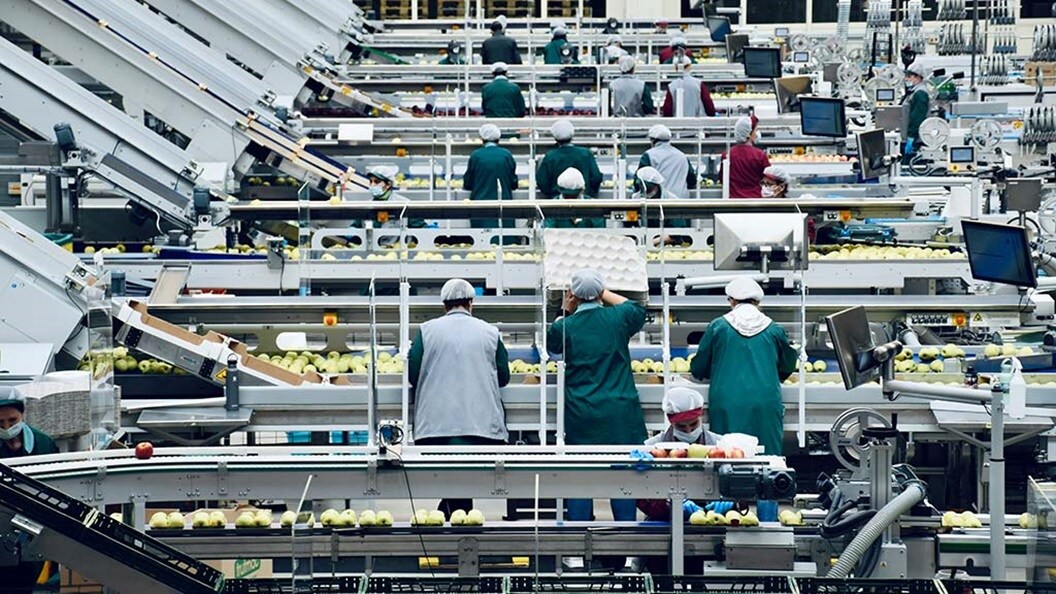
Africa is the continent that will be most affected by climate change. It is also the fastest-growing continent, with a population estimated to reach 2.5 billion by 2050, accounting for 25% of the global population. A growing understanding of the fragility of the environment, combined with the pressures of a growing population, highlights the need for sustainability within the continent's supply chains.
Why Africa Needs sustainable supply chains
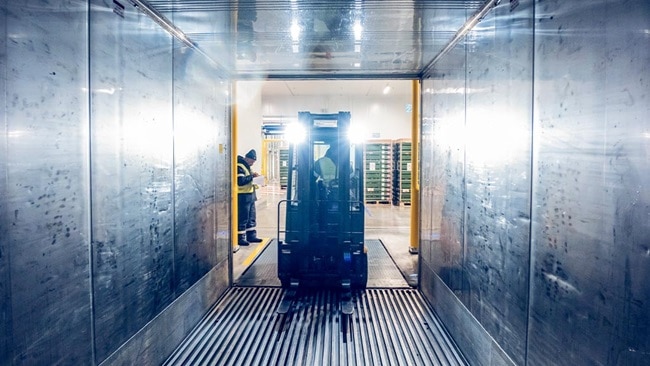
Africa, like many other regions dealing with the challenges of industrialization, faces a unique set of challenges in its quest for stability. Inadequate infrastructure, frequently characterized by limited access to technology, impedes the adoption of sustainable practices. For example, many African countries lack reliable cold chain facilities, resulting in significant food loss, which has a negative impact on both the economy and the environment.
Furthermore, limited access to finance, which is a persistent issue across the continent, makes it difficult for small and medium-sized enterprises (SMEs) to invest in the technologies and processes needed for sustainable operations.
Consumer Demand for Ethical and Sustainable Products in Africa
Despite the challenges, there is a sense of innovation and determination new opportunities for economic growth and development to propel the sustainability movement forward. This shift is being driven in part by changing consumer needs, with an increasing number of people purchasing from companies that source their products ethically and sustainably. In South Africa, for example, despite a challenging economic environment, consumers are willing to pay a premium for healthy and sustainably produced foods.
Transportation, a critical component of any supply chain, is also progressing toward a more sustainable continent. The sector currently accounts for roughly 10% of Africa’s greenhouse gas emissions. Initiatives are emerging across Africa to address inefficiencies and environmental impacts in supply chains. These strategies aim not only to reduce environmental impact but also to reduce transportation costs while improving the economic sustainability of transportation systems.
Technology’s Role in Africa’s Sustainable Supply Chain Transformation
Technology serves as a powerful catalyst for the transition to more sustainable supply chain practices. Route optimization platforms and smart grids are examples of technology solutions that help to reduce emissions and waste generation by optimizing logistics and resource utilization.
Furthermore, blockchain technology has the potential to increase transparency and traceability, allowing consumers to make more informed decisions and hold companies accountable for their environmental impact. These advancements have the potential to create a virtuous cycle in which sustainable practices become both environmentally responsible and economically advantageous, fostering long-term prosperity for Africa and its people.
The Importance of Policy Support for Sustainable Supply Chains in Africa
Policymakers play a critical role in shaping the sustainability landscape by enacting policies that encourage and facilitate environmentally friendly practices. An incentivized environment enhances policy and legal frameworks, making it easier to invest in sustainable supply chains. For example, policies in Kenya that prioritise green energy encourage investors to consider e-mobility solutions to power last-mile logistics, particularly in e-commerce.
Although significant progress is being made, the path to truly sustainable supply chains in Africa remains long and difficult. Low technology adoption, financial constraints, and insufficient infrastructure all impede the adoption of sustainable solutions in the continent's supply chains.
However, the continent must not lose sight of its ultimate goal. Africa's drive for supply chain sustainability is not only an environmental imperative; it is also an economic one. African nations can open up new opportunities for economic growth and development by investing in sustainable technologies and promoting transparency throughout the entire supply chain. In doing so, they not only contribute to a more resilient and sustainable future for their citizens, but they also provide valuable insights and lessons for other regions facing similar global challenges.

Einblicke von einem Branchen-Insider
How can you be ready for anything?
Instability is on the rise, causing logistics to feel the pressure of the constant disruptions. Is your business resilient enough? Do you know what it takes to build resilient supply chains in today's world?
Learn how Maersk can help with logistics resilience.



Möchten Sie über anstehende Branchentrends auf dem Laufenden bleiben?
Sie haben es geschafft, willkommen an Bord!
Es tut uns leid, aber beim Senden Ihrer Kontaktanfrage ist ein Problem aufgetreten.
Bitte überprüfen Sie die Formularfelder und stellen Sie sicher, dass alle erforderlichen Informationen korrekt angegeben sind. Wenn das Problem weiterhin besteht, wenden Sie sich bitte an unser Support-Team, um weitere Hilfe zu erhalten.
Möchten Sie über anstehende Branchentrends auf dem Laufenden bleiben?
Erhalten Sie unsere Einblicke direkt in Ihr Postfach, indem Sie sich über dieses Formular anmelden und in eine Welt voll integrierter Logistik einsteigen. Lassen Sie sich von unserer Auswahl an Artikeln inspirieren, die auf Sie zugeschnitten sind, und erhalten Sie mit wenigen Klicks Wissen über relevante Geschäftseinblicke. Sie können sich jederzeit wieder abmelden.
I agree to receive logistics related news and marketing updates by email, phone, messaging services (e.g. WhatsApp) and other digital platforms, including but not limited to social media (e.g., LinkedIn) from A. P. Moller-Maersk and its affiliated companies (see latest company overview). I understand that I can opt out of such Maersk communications at any time by clicking the unsubscribe link. To see how we use your personal data, please read our Privacy Notification.
By completing this form, you confirm that you agree to the use of your personal data by Maersk as described in our Privacy Notification.