
 LinkedIn
 Facebook
 X.com
X.com
 WeChat
 Email
Email
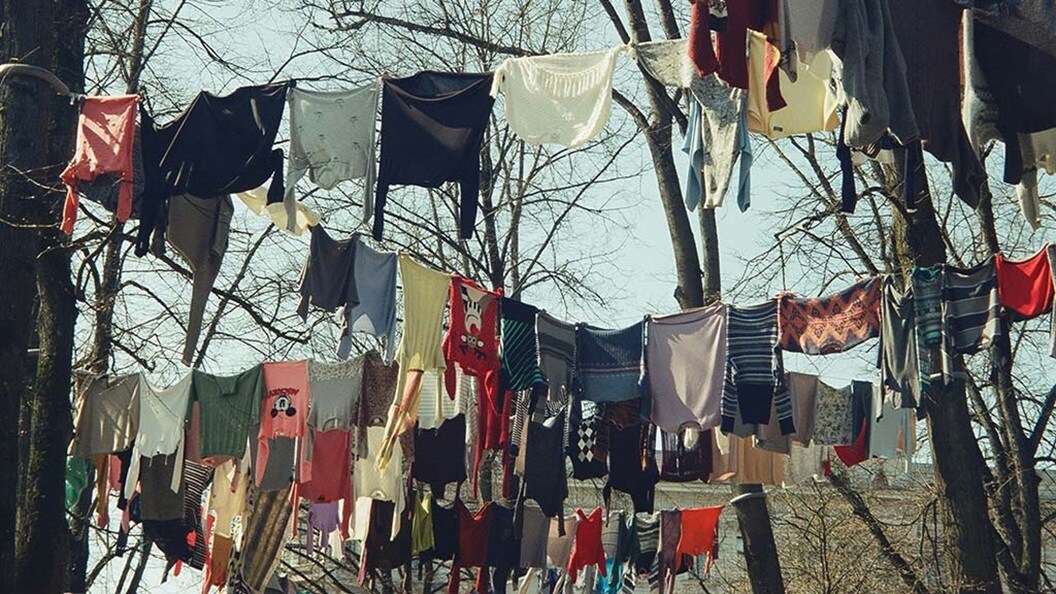
According to the Ellen MacArthur Foundation, “the USD 1.3 trillion clothing industry employs more than 300 million people along the value chain” and “the production of cotton alone accounts for almost 7% of all employment in some low-income countries”.
Global garment production “had doubled since 2000” and the average item of clothing is “only worn seven to ten times before being tossed”. According to Earth.org, “clothing sales doubled from 100 to 200 billion units a year, while the average number of times an item was worn decreased by 36% overall”. Today, clothing represents “more than 60% of total textiles used”, and according to UNECE, 85% of all textiles are discarded each year.
Overconsumption of resources and goods
Consumer demand and behaviour have changed drastically over the past half century. According to the Ellen MacArthur foundation, there is a direct link between the global growth of the middle class and the doubling of clothing production over the last 15 years. This demand has meant many fashion companies have sought to create more for less, with the 90’s heralding fast fashion, which has only sped up since. Add in the advent of social media, the demand for newness has never been higher, introducing a new concept “Ultra-fast fashion” where changes happen at a “blink and you’ll miss it” rate.
The industry's substantial environmental impact goes well beyond just its consumption of raw materials. The textiles industry is heavily dependent on non-renewable resources, utilizing around 98 million tonnes each year. This includes oil for making synthetic fibres, fertilizers for growing cotton, and chemicals for processing, dyeing, and finishing textiles. The current inefficient linear system, marked by low usage rates and poor recycling practices, is the primary driver behind the increasing pressure on these resources.
The costs of not implementing reverse logistics
Low prices can have high costs. If the fashion industry maintains its current trajectory, it could consume over 26% of the carbon budget tied to limiting global warming to 2°C by 2050. Shifting away from the present wasteful and linear textiles model is essential to ensure the 2°C global warming threshold remains achievable.
Textile waste challenges contribute not only to environmental issues but can further poverty and social injustice. According to ClimateAction.Africa, Africa is at the “centre of the expanding textile waste challenge”, noting that “every year, millions of tons of discarded clothing and textiles arrive on the continent”. Greenpeace further notes that “[...]fashion waste from fashion brands and imported second-hand garments has triggered a water pollution crisis in numerous African countries” and that “the link between poor fashion waste disposal and water pollution in Africa is undeniable”. In some cases, fishermen have stated that they are “to catch clothes with their nets than fish”.
Likewise, many Asian countries where clothing is produced also feel the repercussions, such as a case in Cambodia, where workers fell ill due to poor treatment of discarded textile. In both these examples, there are ways to avoid further issues like these.
Reverse logistics and circular economy
Embracing a circular system has the potential to unlock a USD 560 billion economic opportunity for the industry. To reach this, the Ellen MacArthur Foundation points out that it’s crucial to innovate with new business models and foster seamless collaboration across the entire value chain.
However, currently, fashion supply chains tend to primarily go one way. Forwards. They follow the traditional pattern of textile to garment production to warehousing to store to consumer and then, typically, the supply chain ends, and leave an immense footprint.
Reverse logistics, utilised by multiple industries, focuses on the return flow of products from consumer to producer. It is the process of moving goods from their final destination back to the manufacturer or other points in the supply chain for the purpose of returns, repairs, remanufacturing, recycling, or disposal. Likewise, a circular system allows for the product that has been produced to live on, in either full form (like resellers) or in broken down parts, lowering overall textile waste, reducing environmental impacts and enacting sustainable measures.
The fashion industry is already making changes; they are visible in most fashion companies, from utilizing recycled materials to producing less. McKinsey posits that change is also visible with consumers, noting that Millennial and Gen-Z consumers are more “mindful shoppers”. Likewise, this year’s Global Fashion Summit focused on “unlocking the next level”, focusing on sustainability as a strategy for industry resilience, rather than afterthought or bonus that they can offer their customers.
The industry is already beginning to show increased momentum in the field, with companies like OnceMore and Circ stepping into the arena of recycling used clothes, breaking down the fibres manually and chemically. Others, like TexAid, take in textiles of all types and give them new life, be it by fixing, recycling or remanufacturing it. Likewise, the industry has seen cross-industry solutions-orientated companies, such as The Hurd, which utilises agriwaste to create textiles, and Recyctex, that uses discarded plastic bottles from remote areas like mountain ranges and the ocean, to create new polyester fabric. This is just naming a few of the many solutions the fashion industry is seeing.
The 5 Rs of reverse logistics
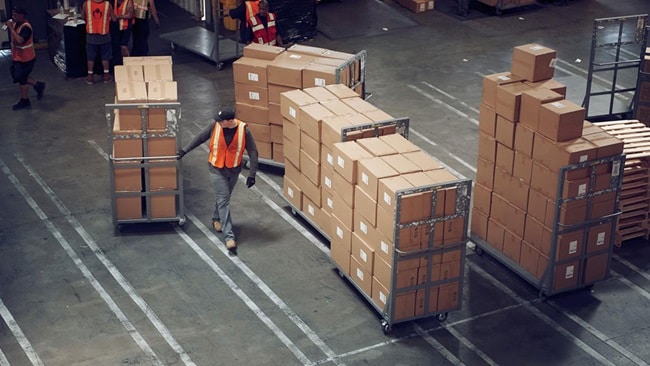
The 5 “R”s of reverse logistics are Returns, Reselling, Repairs, Repackaging and Recycling. Simply put, these 5 areas are what act as the red thread, creating an equal responsibility between consumer, producer and seller. All must act as custodians for the impact. And supporting this union has to be the logistics partners involved; helping transport the product in any direction that the 5 Rs can take it.
A key example of this is VF Corporation, which has implemented multiple solutions that allow for their products to be repaired, repackaged, resold and recycled, such as with wool socks that can be broken down to yarn and reused, to the repairing and reselling of backpacks. Another example of this is H&M Garment collecting program, where in store customers can you deposit unwanted clothing that can then be broken down to fibres and reused. Additionally, in 2019, the company launched a renting option in Stockholm where consumers could rent the item they wished to use, a program centred on reducing waste overall.
Collaborations like New Cotton Project allows for a circular model for commercial garment production, where textile waste is collected and sorted, regenerated into a man-made cellulosic fibre that feels like cotton. 12 brands (including H&M group and Adidas) are taking part in the increased textile recycling project, acting as manufacturers, suppliers and research institutes for the project.
What lies ahead?
The world continues to face a problem of heightened consumerism and massive waste. With new ultra-fast fashion brands stepping up to the lead from fast fashion, the generation of textile waste could grow further, exacerbating the already problematic situation.
On the other side, much of the fashion industry is already looking at alternatives and implementing changes where possible. Change is happening, sometimes visibly, and sometimes, not as visibly.
At the core of the solution is collaboration. Consumers have to understand and be willing to pay for these options; if they don’t, fashion brands will not be able to survive the continued implementation. Additionally, fashion brands need to work closely with their logistics partners to be able to implement successful reverse logistics, from moving of goods to warehousing options.
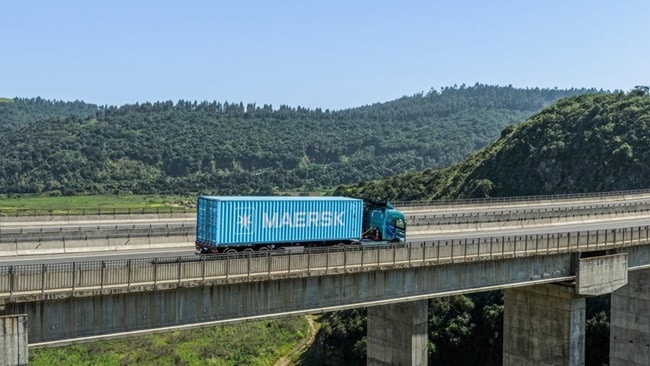
Whilst many different models work, reverse logistics are most likely successful when the logistics partner can offer agility, reach and reliability. When the logistics align, offering solutions via land, sea and air, fashion companies can focus on the work of shifting models and establishing interest and furthering comprehension of the model with the consumer. Is your brand ready for the next step? Click here to read more on how that can be done.

取得產業內部人士的見解



您是否想隨時獲取未來產業趨勢的必修課?
您完成了,歡迎訂閱!
很抱歉,發送您的聯絡請求時發生問題。
請檢視表單欄位,並確保提供所有必要的正確資訊。若問題仍然存在,請聯絡我們的支援團隊尋求進一步協助。
您是否想隨時獲取未來產業趨勢的必修課?
透過在此表單註冊,您可直接在您的郵箱中接收我們的見解,踏入真正整合物流的世界。只要按幾下,您就可從我們為您量身訂製的文章中獲取靈感,並獲得相關業務見解。您可以隨時取消訂閱。
I agree to receive logistics related news and marketing updates by email, phone, messaging services (e.g. WhatsApp) and other digital platforms, including but not limited to social media (e.g., LinkedIn) from A. P. Moller-Maersk and its affiliated companies (see latest company overview). I understand that I can opt out of such Maersk communications at any time by clicking the unsubscribe link. To see how we use your personal data, please read our Privacy Notification.
By completing this form, you confirm that you agree to the use of your personal data by Maersk as described in our Privacy Notification.