
 LinkedIn
 Facebook
 X.com
X.com
 WeChat
 Email
Email
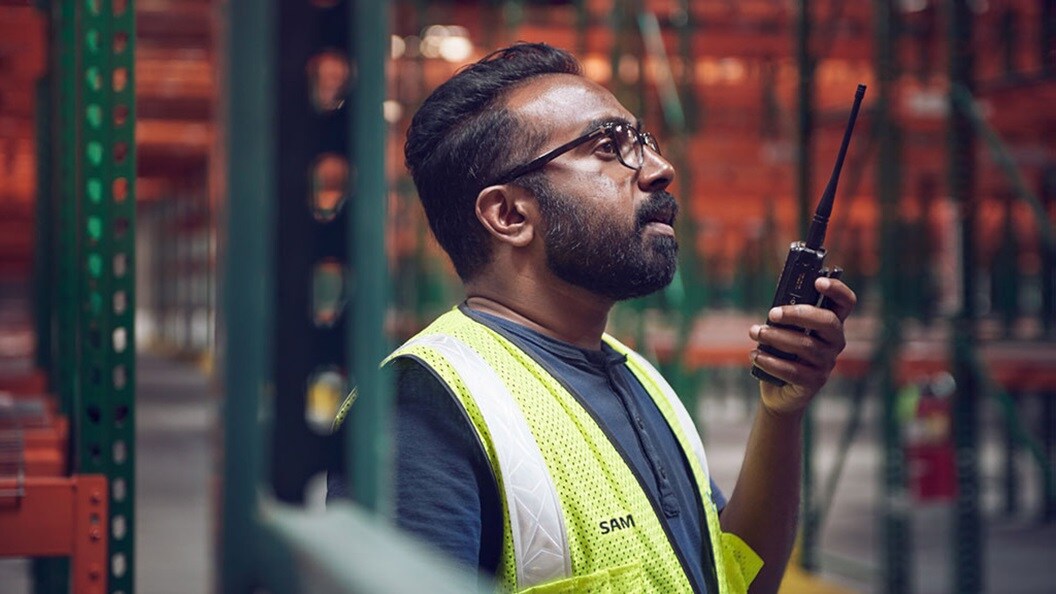
A healthy, strong supply chain consists not only of its moving parts, but also in reliable and accessible warehousing logistics and solutions.
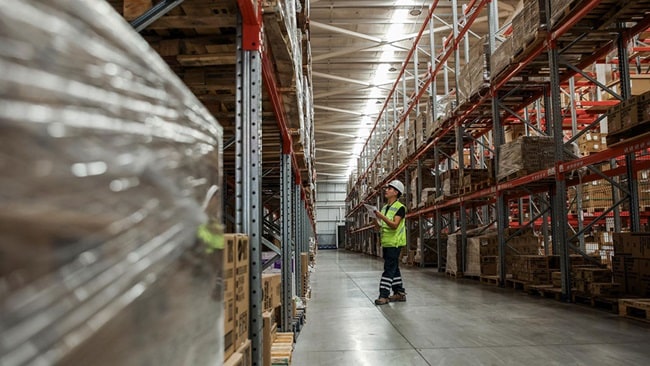
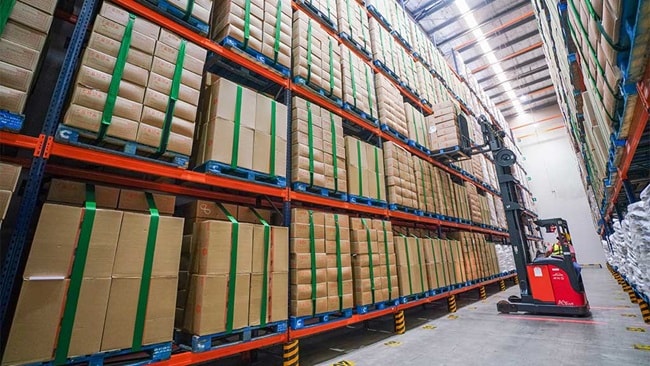
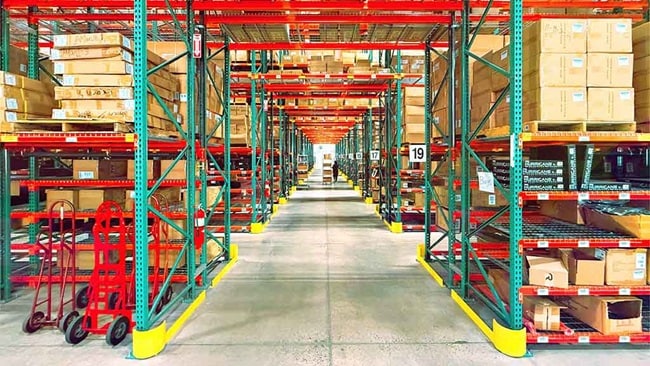
A fundamental problem that the business world is facing is the growing lack of warehousing space. Increased consumption and demographic growth, coupled with heightened ecommerce fulfilment needs and expansion of safety stock, have resulted in warehouse space allocation being extremely pressed. Current trends point towards further tightening of available warehouse operations spaces.
Warehouse space is at a premium
Throughout 2021, companies experienced a need for more warehousing capacity, a trend that has continued throughout 2022. Pressure on retailers and wholesalers to reach more consumers, coupled with manufacturers looking to add agility to their supply chains, is driving the need for more warehouse operations than ever before.
UK market research firm, Interact Analysis, predicts that storage needs will drive double-digit growth in the global warehousing and fulfilment sector over the next five years, with more than half of warehouses to be built in China, India, Germany, Japan and the US.
Currently, Asia-Pacific accounts for the largest region in the warehousing and storage market, with at least 32.9% of global warehouses placed in the region. The second largest region is North America, with storage needs growing fast.

산업 트렌드 및 인사이트를 받아보세요.
Demand on warehouse logistics will not lessen
Real estate services firm, CBRE Group Inc., noted the development of growth in the United States, seeing companies sign a record of 57 warehouses with 1 million or more square feet in the US, resulting in an increase of 19% since 2020. Logistics real estate fund, Prologis Inc., has also noted the increased need, and estimates an increase of 800 million square feet of space needed to meet needs in the US, alone. Additionally, logistics warehouse vacancy rates across the US are expected to remain historically low during 2022, following the extreme lows of 2021, where a minute 3.4% of warehouse operations space remained unutilised, despite 270 million additional sq. feet entering the market during the year.
Industry experts point to expanded ecommerce fulfilment services, combined with supply chain challenges, as a key reason for why current warehouse operations spaces are being utilised fully and will continue to be throughout 2022. Warehouse consolidation is needed and fast; fulfilment service footprint will need to double to meet the current demand, and that if trends continue as is, the industry could face a shortfall of 140 million sq. ft of warehouse space by 2024. Whilst there are signs that e-commerce growth will flatten or slow once consumers are fully able to return to the in-store experience, there is also clear indication that much of the current growth in online retail, will remain at above pre-pandemic levels.
Warehousing capacity will need to expand over time, by at least 15%, to accommodate normal inventory levels, and add more resilience to customer supply chains.
Space is at a premium and will only continue to be needed. What are your spatial solutions?






미래 산업 트렌드에 관한 최신 정보를 원하십니까?
구독 신청을 완료하셨습니다. 환영합니디!
죄송합니다. 문의 요청을 보내는 중 문제가 발생했습니다.
양식의 필수 사항을 모두 올바르게 입력했는지 확인하세요. 문제가 계속되면 지원팀에 연락하여 추가 지원을 받으세요.
미래 산업 트렌드에 관한 최신 정보를 원하십니까?
이 양식을 입력하여 구독을 신청하시면 통합 물류에 관한 Maersk의 인사이트를 메일로 받아보실 수 있습니다. 맞춤형 기사를 통해 유용한 정보와 비즈니스 인사이트를 확인해 보세요. 언제든지 구독을 취소할 수 있습니다.