Towards increased environmental sustainability in Africa’s largest chemicals producers

 LinkedIn
 Facebook
 X.com
X.com
 WeChat
 Email
Email
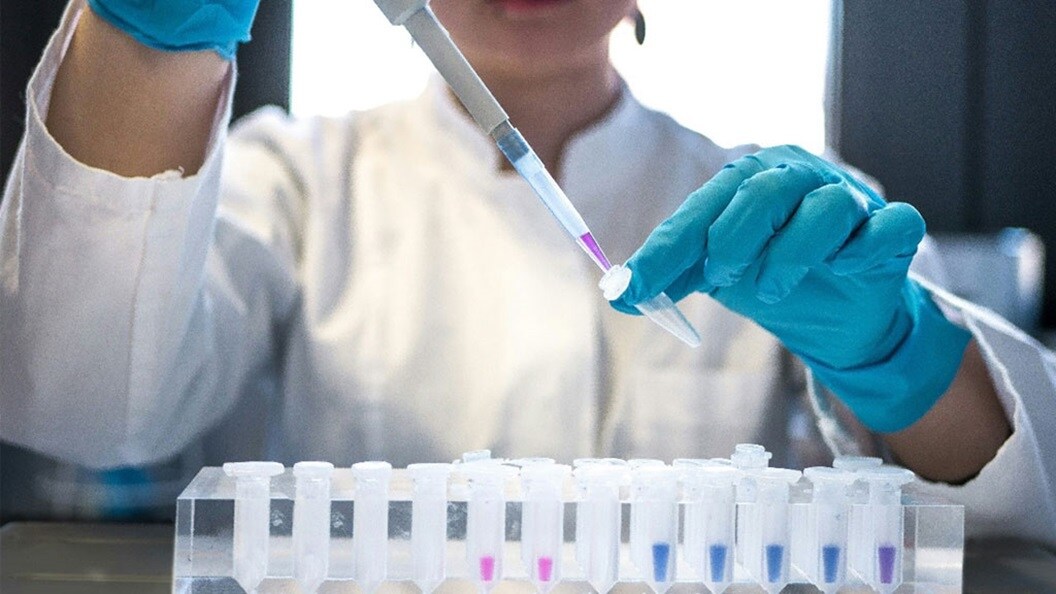
South Africa's chemicals industry is set to grow significantly, with sales expected to reach USD 29 billion as of the end of 2022. South Africa is Africa's largest chemical producer, producing a wide range of chemicals for use in pharmaceuticals, manufacturing, agriculture, construction, and many other industries.
Chemical exports from South Africa to Belgium, the United States of America, the Netherlands, and Zimbabwe have increased significantly this year. Johannesburg, Sasolburg, Durban and Cape Town are chemical manufacturing hubs, owing in part to high demand from consumer industries in these areas.
Practices in the industry
The chemicals industry, on the other hand, is facing major disruptions as environmental concerns gain prominence. As a result, businesses are increasingly investing in environmentally focused practices and developing innovative solutions. To support these advances, the South African government has launched several initiatives to conduct a comprehensive assessment of the country's current chemical and waste management infrastructure.
To begin, the establishment of national development goals that include chemical management aims to help the adoption of practices to mitigate environmental impacts within the chemical industry. Enhancing water quality by reducing pollution, eliminating improper disposal, and minimizing the release of hazardous chemicals and materials is one of the key focus areas.
Furthermore, with the aid of the United Nations Industrial Development Organization (UNIDO), South Africa is moving toward improved industrial practices. The initiative aims to increase resource efficiency, promote production methods with less greenhouse gas (GHG) emissions, and develop sustainable consumption and production patterns within the industry.
These initiatives, when combined with improved policy implementation, aim to decrease climate and environmental impacts, and improve waste management practices. This includes the potential imposition of fines for mismanagement and the encouragement of industry partnerships.
Emerging trends in Africa's chemical industry

As climate change and environmental impacts continues to take center stage in chemical manufacturing, South Africa is undergoing a transformation, with companies increasing investments in a variety of environmentally focused initiatives, including the ones listed below.
-
Energy management
Companies are making significant investments in energy-efficient technologies such as process optimization, heat integration, and cogeneration, all with the goal of reducing energy consumption and GHG emissions. There is also a growing trend toward renewable energy sources such as solar and wind power. Alternative energy sources and better energy management strategies are working together to reduce the GHG emissions of chemical manufacturers.
-
Adoption of reduced GHG emissions feedstock
The use of feedstocks with lower GHG emissions is becoming more popular in the industry. The industry reduces its reliance on fossil fuels and, as a result, the GHG emissions associated with chemical production by leveraging alternatives.
-
Carbon capture and utilisation
These innovative technologies aim to capture carbon dioxide (CO2) from the atmosphere and convert it into valuable products such as chemicals and fuels. Carbon Capture and Utilization (CCU) technologies are critical tools in the fight against climate change while also creating economic opportunities.
-
Integration of alternative materials
In the chemicals manufacturing industry, the development of materials such as biodegradable polymers and the incorporation of recycled materials into production processes is becoming more common.
-
Application of technology
To tie the other efforts together, South Africa's chemicals industry is increasingly adopting industry 4.0 technologies such as Internet of Things (IoT) sensors, big data analysis, and artificial intelligence to make production processes more efficient while reducing waste.
Transforming the future
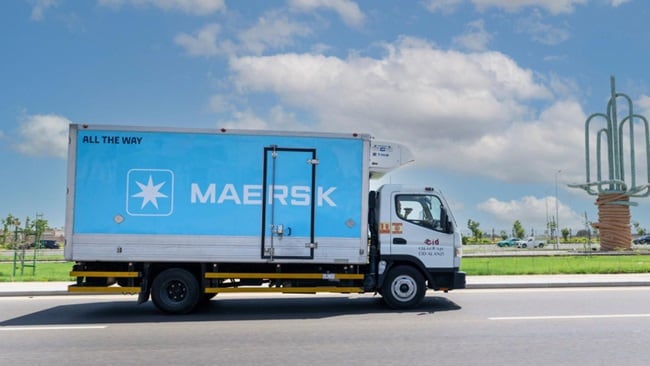
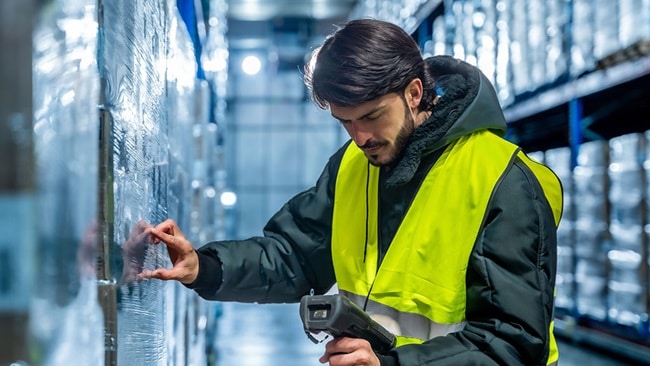
With South Africa's chemical sector on the rise, opportunities for supporting industries to grow alongside are emerging. For example, logistics has the potential to significantly contribute to the reduction of GHG emissions in the chemicals industry. The transportation of raw materials from the source to the factory, as well as finished goods to destination markets, can be a significant contributor to GHG emissions. Working with logistics partners who incorporate decarbonisation into their approach is likely to move the needle for chemical producers.
Furthermore, digitally powered capacities such as demand forecasting reduce unnecessary transportation and storage costs by transporting only the necessary materials.
South Africa's chemicals industry can not only lead the continent in commercial productivity but also drive the sector's decarbonisation by improving production methods and processes, coordinating energy-saving strategies, , and decarbonising transportation.

Get insights from an industry expert




Don’t miss out on logistic news and updates from us
You did it, welcome onboard!
We're sorry, but there was a problem sending your contact request.
Please review the form fields and ensure all required information is provided correctly. If the issue persists, please contact our support team for further assistance.
Don’t miss out on logistic news and updates from us
Sign up here and receive news and insights that help you navigate supply chains, understand industry trends, and shape your logistics strategy.
I agree to receive logistics related news and marketing updates by email, phone, messaging services (e.g. WhatsApp) and other digital platforms, including but not limited to social media (e.g., LinkedIn) from A. P. Moller-Maersk and its affiliated companies (see latest company overview). I understand that I can opt out of such Maersk communications at any time by clicking the unsubscribe link. To see how we use your personal data, please read our Privacy Notification.
By completing this form, you confirm that you agree to the use of your personal data by Maersk as described in our Privacy Notification.