The role of refrigerated warehousing in keeping cold chains stable

 LinkedIn
 Facebook
 X.com
X.com
 WeChat
 Email
Email

Moving perishable cargo like fruits and vegetables, dairy products, meat, seafood, pharmaceuticals, and chemicals, comes with a very specific set of requirements. The primary of which is ensuring these goods are transported under safe conditions so that they adhere to all government regulations, and do not get spoiled or damaged in transit.
That’s where cold chain logistics comes into play. An experienced logistics provider can help ensure your perishable goods are transported at the right temperature and humidity levels to prevent spoilage, early ripening, and pest damage. But what happens in the case of a bottleneck? How can a business ensure goods remain fresh and stable when faced with unexpected delays?
With an increasing number of disruptions facing the logistics industry perishable cargo supply chains need to remain flexible and capable of responding to events quickly. Around 13% of the world's food is lost between post-harvest and retail, according to a 2021 Food and Agriculture Organization (FAO) report. A large percentage is fruits and vegetables, followed by meat and fish products. Damage and loss are comparatively lower for pharmaceutical products, but here too, with the example of vaccines, improper temperature management during the cold chain process can cause up to 50% of vaccines to degrade, according to the World Health Organization. For a cold chain to work seamlessly, businesses need to ensure their third-party logistics providers are capable of not only moving perishable cargo but also managing to store it securely till it can be transported to its final destination. Temperature-controlled warehousing or cold storage can play a pivotal role in ensuring the quality of cargo remains consistent, particularly when the supply chain faces delays or snags.
Ensuring a stable environment to suit your perishable cargo
Cold storage is classified by the temperature required for cargo. Refrigerated storage, where temperatures are maintained between –0.5°C to 14°C (31°F to 57°F), is commonly used for fresh produce, dairy products, and certain pharmaceuticals. Frozen foods like meats, seafood, and ice cream, which require temperatures ranging from -15°C to -25°C (-5°F to -13°F), are stored in frozen storage facilities. Meanwhile, ultra-low temperature storage is used for certain vaccines and biological materials, with warehouse temperatures required to be as low as -80°C (-112°F) or lower. Opting for the correct temperature zone ensures the quality of goods and reduces the chance of spoilage.
Role of cold store warehousing in tackling disruption
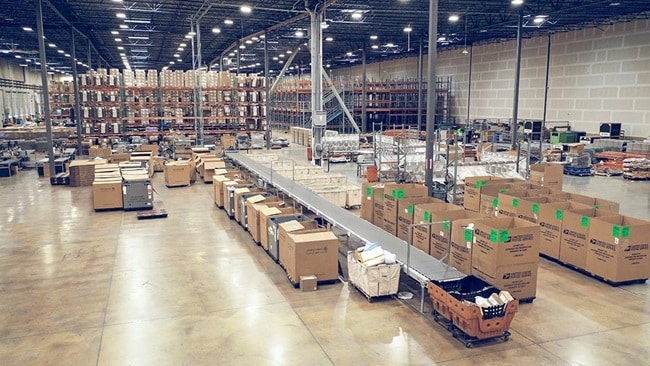
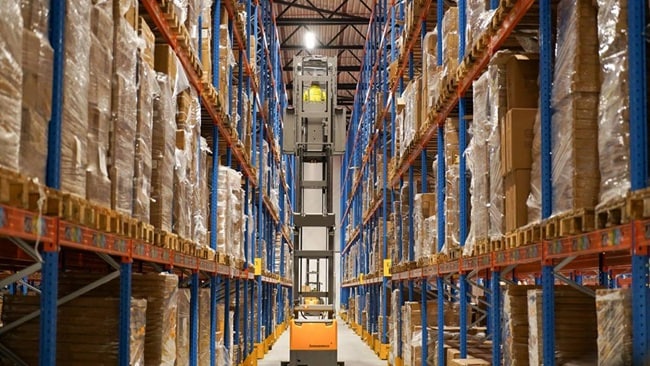
In recent times, geopolitical tensions have forced businesses to find alternative routes to move their cargo, often adding weeks to their transit time. While dry goods have been comparatively less impacted, perishable cargo has faced the challenge of overripening during this extended journey. One option has been to use intermodal solutions, such as rail, barge and truck,that streamline the connection between ocean and warehouse logistics. These solutions have been successful with the support of cold chain warehouses that allow businesses to safely store their goods before they begin the next leg of their journey. These warehouses have been designed and set up with the latest systems to ensure minimal wastage. Some of these features include:
- Advanced insulation and sealing to prevent damage
Heat exchange can be a significant challenge for temperature-sensitive cargo. Temperature-controlled warehouses utilize advanced insulation materials to prevent heat transfer and maintain stable internal temperatures. Doors, windows, and other openings are carefully sealed to reduce temperature variations. When supply chains are faced with disruptions, businesses can store their perishable cargo in a controlled environment to prevent infestations, rot and other damage while they work on implementing alternative transport routes and markets.
- Temperature monitoring and control systems
Digital innovation plays a key role in ensuring cold stores can function seamlessly. IoT-enabled sensors monitor temperature, humidity, and other environmental factors within the warehouse and provide real-time data and alerts. Alongside, automated climate control helps adjust heating, cooling, and ventilation based on the data received, to maintain an optimal storage environment for the cargo. The storage conditions of fruit and vegetable cargo can be adjusted to slow down ripening till the produce can be dispatched.
- Backup power and redundancy systems to protect your cargo
Power failure is no excuse for perishable cargo damage. To extend the shelf-life of perishable cargo, a stable power system is required to prevent fluctuations in temperature, so businesses face minimal loss from wastage. That’s why temperature-controlled warehouses are equipped with backup power systems such as generators to maintain operations during power outages.
- Compliance with regulation-specific facilities
Each country has its own specific regulations regarding the trade of temperature-sensitive goods. During storage, the responsibility of complying with the required regulations falls to the warehouse service provider. Cold stores adhere to stringent regulations like maintaining specific temperature ranges and documenting the storage conditions to ensure product integrity. By opting for a reliable warehouse operation , businesses prevent complications in their supply chains and ensure their cargo adheres to international safety standards. In cases when storage time needs to be extended, cold store experts can help identify opportunities.
Trends in temperature-controlled warehousing
- Advanced temperature monitoring: Wireless temperature sensors are placed throughout the warehouse and on specific pallets or storage units. They continuously monitor temperature and, in some cases, humidity, pressure, and other environmental factors. These sensors then transmit real-time data wirelessly to a central monitoring system, allowing warehouse operators to track conditions across the facility instantly.
- Cloud-based monitoring systems: The data collected by sensors is often stored in cloud-based systems, which offer centralized access and monitoring from any location. The system can send alerts via email, SMS, or mobile apps if the temperature deviates from the set range, allowing for immediate corrective action. Technicians can access the system to diagnose issues and speed up response times. Cloud-based systems store historical data, which can be analyzed for trends, helping to predict potential temperature issues.
The future of cold store warehousing is set to become even more critical as global food demand rises, e-commerce continues to expand, and supply chains face increased pressure. With the growing emphasis on food security, sustainability, and reducing food waste, advanced cold storage facilities will play a pivotal role in maintaining the integrity of perishable goods. “Innovations like energy-efficient refrigeration systems, and real-time monitoring continue to elevate warehouses as trusted elements within the cold chain system.

Get insights from an industry expert
How can you be ready for anything?
Instability is on the rise, causing logistics to feel the pressure of the constant disruptions. Is your business resilient enough? Do you know what it takes to build resilient supply chains in today's world?
Learn how Maersk can help with logistics resilience.






Don’t miss out on logistic news and updates from us
You did it, welcome onboard!
We're sorry, but there was a problem sending your contact request.
Please review the form fields and ensure all required information is provided correctly. If the issue persists, please contact our support team for further assistance.
Don’t miss out on logistic news and updates from us
Sign up here and receive news and insights that help you navigate supply chains, understand industry trends, and shape your logistics strategy.
I agree to receive logistics related news and marketing updates by email, phone, messaging services (e.g. WhatsApp) and other digital platforms, including but not limited to social media (e.g., LinkedIn) from A. P. Moller-Maersk and its affiliated companies (see latest company overview). I understand that I can opt out of such Maersk communications at any time by clicking the unsubscribe link. To see how we use your personal data, please read our Privacy Notification.
By completing this form, you confirm that you agree to the use of your personal data by Maersk as described in our Privacy Notification.