
 LinkedIn
 Facebook
 X.com
X.com
 WeChat
 Email
Email

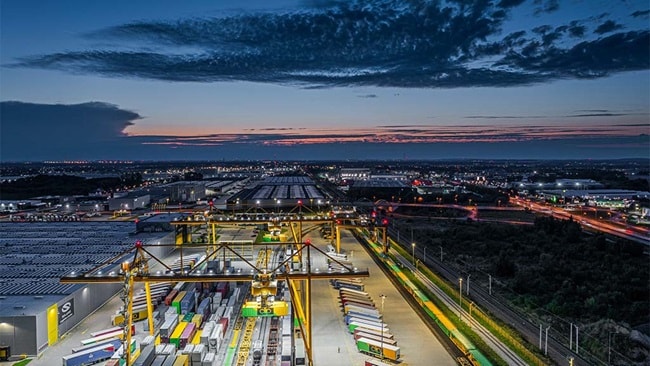
From the inside, a global supply chain might look like a linear structure from source to destination. An external bird’s eye view, however, can reveal a much more intricate ecosystem – a network of connections between people, partners, processes, and data. If this ecosystem can be redesigned to align all elements in terms of objective, purpose, mindset, and strategic direction, much value can be created through a supply chain. Moreover, once a strategic alignment is achieved, the task of putting systems and processes in order becomes a lot easier.
Allowing value to flow in the future of supply chain management
A truly connected supply chain will allow insights and value addition to flow across links, not just linearly, but in any direction. To enable such a flow of value, businesses are rethinking logistics. The aim is to strengthen trust between supply chain partners by facilitating greater collaboration and accurate data exchanges. After all, people who trust each other and work towards the same goals can move mountains. Or in this case, they can transform their supply chain into a strategic advantage that stays ahead of trends, demand, and ultimately competition.
Five supply chain trends to prioritise



1. Better data integration
For supply chains that are as fragmented as those in FMCG, retail, or lifestyle, the risk of ending up with fragmented technology solutions is high. A single platform that brings information from different parties together to be monitored, updated, and used by everyone will be a key pillar of integration. Such a platform will enable efficient communication by reducing dependencies on calls and coordination with third parties. Having near real-time access to information will help logistics teams respond quicker to external changes – and supply chain leaders will get more control over distributors, regardless of the stage or location of the journey.

산업 트렌드 및 인사이트를 받아보세요.
2. Ability to adapt
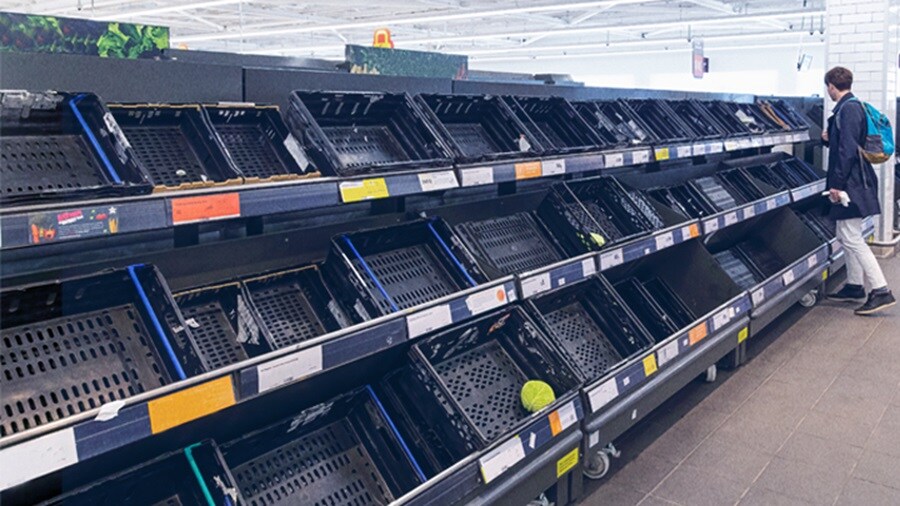
In the past, the complexity of supply chains led to some rigidity because speed-to-market and cost efficiencies were the primary drivers behind decision making. Today, decision making is changing. The reduction in demand during the Covid-19 pandemic caused excess inventory in some markets, while others were short of stock, highlighting the need to respond to demand more flexibly. The lack of pre-established routes in emerging markets and changes in customs regulations in many countries have also shifted the focus onto the ability to adapt. Leaders in the industry know that if they can respond to new situations quickly, at the lowest cost, with little effort, and with no loss of results, they’ll have an edge over the competition.
3. Agility to respond to consumer trends
Knowing exactly how many cans of cola, rolls of toilet paper, or packets of wheat flour are going to be sold in each store is not enough. Businesses need to be able to deliver their products to these stores. That’s why logistics (as opposed to transportation) is so crucial for brands. The right logistics set-up allows for speedy integration of demand and trends data into supply chain objectives and processes. This integration then goes on to enable smarter demand planning, stocking, and production forecasts. To achieve this, companies would do well to partner with logistics service providers who can:
- Easily adopt demand prediction infrastructure
- Transport products regardless of the route, or urgency
- Optimise inventory, from factory to store
- Improve delivery precision
4. Adopt end-to-end traceability
Whether it’s unexpected disruptions in transit, at control and review points, or customs, some delays cannot be avoided. What companies need to make sure is that they act fast, recover from the delay, and keep their cargo moving. To do this, they need visibility from factory to point of sale. Such end-to-end visibility depends on all logistics stakeholders involved. If even one party does not have the technology to provide adequate visibility, response times can slow down.
5. Promote decarbonisation focus
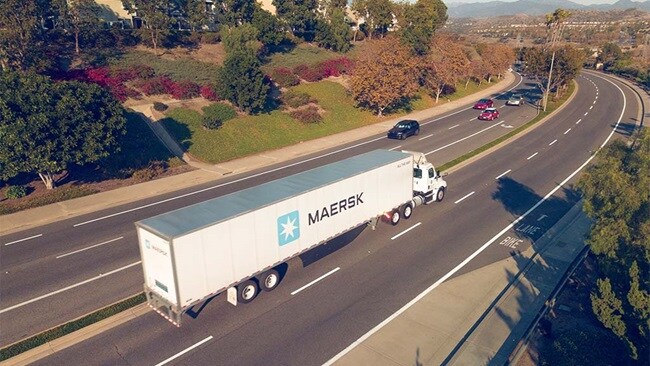
Building a future-proof supply chain will need long-term thinking and a commitment to reduce greenhouse gas emissions throughout the logistics ecosystem. For this, brands need to partner with logistics service providers who share their vision and have the infrastructure to back their decarbonisation goals. After all, regulations are here to stay and are likely to get even more stringent, reaching all international markets sooner rather than later.







미래 산업 트렌드에 관한 최신 정보를 원하십니까?
구독 신청을 완료하셨습니다. 환영합니디!
죄송합니다. 문의 요청을 보내는 중 문제가 발생했습니다.
양식의 필수 사항을 모두 올바르게 입력했는지 확인하세요. 문제가 계속되면 지원팀에 연락하여 추가 지원을 받으세요.
미래 산업 트렌드에 관한 최신 정보를 원하십니까?
이 양식을 입력하여 구독을 신청하시면 통합 물류에 관한 Maersk의 인사이트를 메일로 받아보실 수 있습니다. 맞춤형 기사를 통해 유용한 정보와 비즈니스 인사이트를 확인해 보세요. 언제든지 구독을 취소할 수 있습니다.