
 LinkedIn
 Facebook
 X.com
X.com
 WeChat
 Email
Email
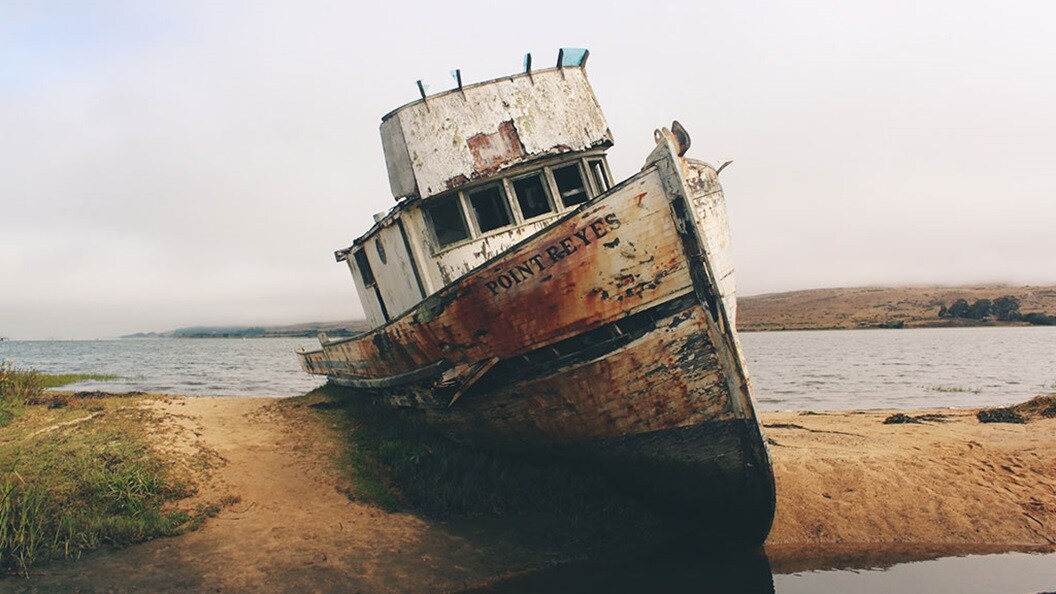
Records show that 2016 and 2020 had all time high temperatures and June 2023 saw the hottest temperatures ever recorded. These trends show that all signs point towards a common future affected by climate change.
With extreme heatwaves and torrential rain growing more frequent and wildfires and floods wreaking havoc across Asia, the Americas, and Europe; the second half of 2023 has brought unexpected deterrents to otherwise smooth cargo journeys.
Lower water levels impacting supply chains
Seasonal changes to rivers and water ways are nothing new. Flooding and drought have always been a natural part of the environmental cycle, but in recent years, rivers have started to show signs of longer “low water” periods.
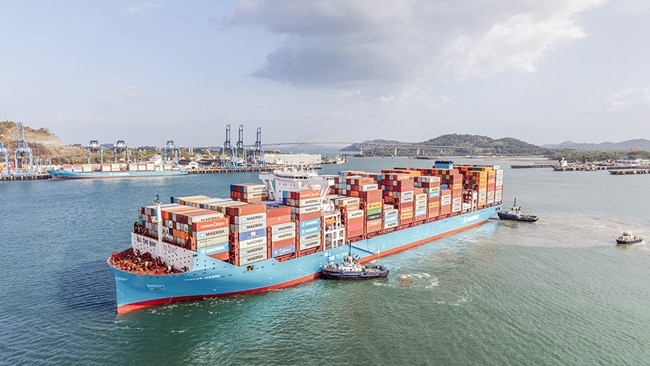
One example of this, is the Panama Canal, which has an annual drought season lasting from January to May. Its impacts are usually circumvented by drawing more water in from the Alajuela and Gatun Lakes, to alleviate the low water levels. However, climate change impacts, including shifting weather patterns such as lack of rain, resulted in extended and extreme low water levels on the canal and in the area.
In 2022, the Rhine experienced a similar situation, with dry weather in June hindering the sailing of fully loaded vessels, before heavy rains in July resulted in return to normal. This June, the Rhine River faced the same situation, with the summer bringing drought and low water levels again. Heavy rain in July brought water levels back up, the river continued to be too shallow in the north to transport cargo through traditionally-sized vessels.
Likewise, the Mississippi River experienced low water levels in the summer of 2022, impacting the trade that was transported along the river.
Visibility and optionality
Rivers have long been a key component of many supply chains. As a way to transport cargo inland, the rivers of the world have played, and continue to play, a vital part in many supply chains. But now more than ever before, we’re seeing the impact of turbulent river behaviour impacting overall supply chains. As we continue to see rivers impacted by the effects of climate change, companies may need to start looking at alternative routes to market.
So, what can businesses do?
Much like during the pandemic, climate change and extreme weather can lead to disruptions and delays, which underlines the need for heightened resilience and more visibility.
Can alternative solutions bring growth?
In the face of this new normal, businesses have never needed multiple route options to market more. Working with a logistics service provider that can help companies plan for the “rainy” (or in this case, very dry) day, means that supply chains can circumvent delays.
How so?
In the case of river water levels dropping, a skilled logistics service provider can help reroute goods by utilising landside options, such as a combination of rail and trucking. In cases of flooding, air solutions can help businesses ensure their products reach market in a timely manner.
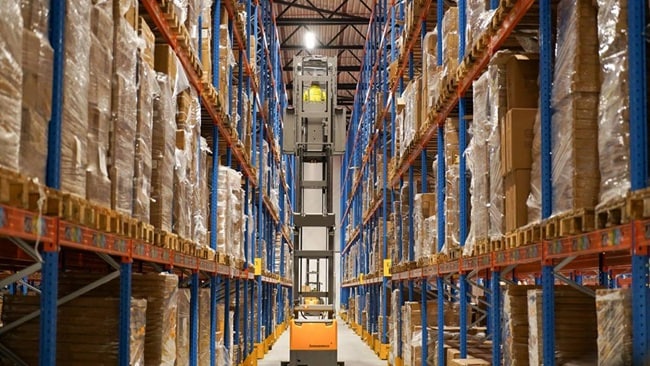
Partnering with a logistics service provider with a controlled-asset network is even more beneficial. As a logistics service provider that controls all assets, they are able to put solutions into play immediately. Rail, trucking, ocean, and air can circumvent the use of rivers when conditions necessitate it. Additionally, they can help build and implement back up plans, offering warehousing, amongst other solutions. This allows businesses to store their products closer to market, allowing them to put the products into market when works for them.
What lies ahead?
Whilst no one can predict what the future will look like, much research says hotter days are here to stay, with more intense and unpredictable weather ahead. With the Arctic region warming rapidly, we can expect the jet streams to slow down, and weather to stay more “permanent”.
Key to ensuring your supply chain is finding solutions to volatility. Never has it been more vital to work with a logistics service provider who understands that your business’ supply chains need the ability to manoeuvre through the many changes we can expect to see.
Never has it been more important to work with a partner that can help you infuse your supply chain with resilience, agility and flexibility.

Get insights from an industry expert





Don’t miss out on logistic news and updates from us
You did it, welcome onboard!
We're sorry, but there was a problem sending your contact request.
Please review the form fields and ensure all required information is provided correctly. If the issue persists, please contact our support team for further assistance.
Don’t miss out on logistic news and updates from us
Sign up here and receive news and insights that help you navigate supply chains, understand industry trends, and shape your logistics strategy.
I agree to receive logistics related news and marketing updates by email, phone, messaging services (e.g. WhatsApp) and other digital platforms, including but not limited to social media (e.g., LinkedIn) from A. P. Moller-Maersk and its affiliated companies (see latest company overview). I understand that I can opt out of such Maersk communications at any time by clicking the unsubscribe link. To see how we use your personal data, please read our Privacy Notification.
By completing this form, you confirm that you agree to the use of your personal data by Maersk as described in our Privacy Notification.